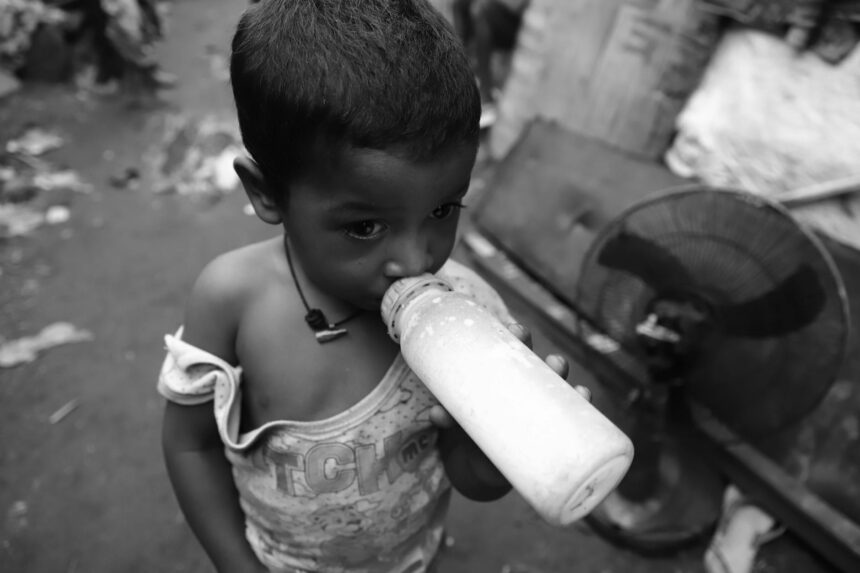
The latest UNICEF report highlights three critical findings that should guide health and social policy decisions: first, despite economic growth, one in eight children in wealthy nations experience poverty with significant health consequences; second, Nordic countries achieve child poverty rates below 5% through universal childcare, education, and family support programs; and third, health disparities resulting from inequality persist into adulthood, creating lifelong disadvantages.
For health professionals and policymakers, the implications are clear: comprehensive social protection systems represent evidence-based interventions that effectively reduce child poverty and improve population health outcomes. Countries relying on market-oriented approaches show substantially higher child poverty and health inequality rates.
The Nordic model demonstrates that strategic investment in universal programs benefits all children regardless of household income, creating more equitable health outcomes. Evidence published in leading journals confirms that such investments yield measurable improvements in child wellbeing and reduce health disparities.
Read the full article on GMJ Newsroom.

Was this article helpful?