By using this site, you agree to the Privacy Policy and Terms of Use.
Accept
GMJ NewsGMJ NewsGMJ News
  • Latest News
    • GMJ Briefs
  • Podcast & Media
    • Podcast Episodes
    • GMJ Audio
    • GMJ Videos
  • Research Digest
    • New Studies
    • Georgian Research
    • Data & Numbers
  • Policy & Systems
    • Health Policy
    • Quality & Safety
    • Migration & Health
    • Global Health
  • Practice
    • Clinical Updates
    • Case Discussions
    • Pharmacy & Prescribing
    • Ingredients A-Z
  • Perspectives
    • Editorial
    • Explainers
    • Voices
    • Letters
  • GMJ Articles
    • Vol. 1 Issue 2 (2026)
    • Vol. 1 Issue 1 (2026)
    • Pre-Launch Articles (2025)
  • Read the Journal →
  • About GMJ News
Notification Show More
Font ResizerAa
GMJ NewsGMJ News
Font ResizerAa
  • Latest News
    • GMJ Briefs
  • Podcast & Media
    • Podcast Episodes
    • GMJ Audio
    • GMJ Videos
  • Research Digest
    • New Studies
    • Georgian Research
    • Data & Numbers
  • Policy & Systems
    • Health Policy
    • Quality & Safety
    • Migration & Health
    • Global Health
  • Practice
    • Clinical Updates
    • Case Discussions
    • Pharmacy & Prescribing
    • Ingredients A-Z
  • Perspectives
    • Editorial
    • Explainers
    • Voices
    • Letters
  • GMJ Articles
    • Vol. 1 Issue 2 (2026)
    • Vol. 1 Issue 1 (2026)
    • Pre-Launch Articles (2025)
  • Read the Journal →
  • About GMJ News
Follow US
GMJ News > GMJ Briefs > What Thailand’s Parenting Trial Teaches Us About Violence Prevention Programmes

What Thailand’s Parenting Trial Teaches Us About Violence Prevention Programmes

GMJ
Last updated: 30/06/2026 15:48
By
Prof. Giorgi Pkhakadze
Share
1 Min Read
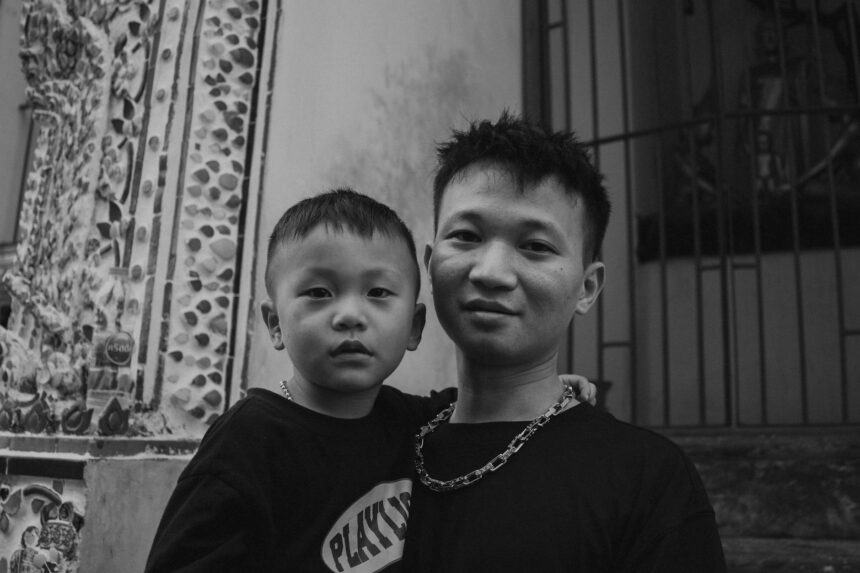
Rural Thai parents participating in blended parenting intervention programme
A cluster randomised trial in rural Thailand found no reduction in child violence after a blended parenting intervention. Higher emotional abuse reporting may reflect increased awareness rather than actual harm. — Photo: Onur Kaya / Pexels
SHARE
1 min read|154 words

A cluster randomised controlled trial from rural Thailand offers critical insights for health professionals designing child protection interventions. The study evaluated a blended parenting programme combining face-to-face sessions with mobile-based online modules among 480 parents, tracking physical punishment and emotional abuse outcomes at one-month follow-up.

Three key findings emerge: first, the intervention produced no significant reduction in physical punishment compared to standard care. Second, emotional abuse reporting increased in the intervention group, likely reflecting improved parental awareness rather than worsening outcomes. Third, the one-month timeframe may be insufficient to capture meaningful behavioural change.

For practitioners and programme developers, these results suggest future interventions should incorporate longer follow-up periods, potentially target higher-risk populations more precisely, and consider mechanisms for translating awareness into sustained protective behaviours. The research, published in The Lancet Regional Health – Southeast Asia, underscores that implementation context and programme design require careful recalibration for rural, low-resource settings. Read the full article on GMJ Newsroom.

Was this article helpful?

GMJ Brief · Takeaway

📰 Read the full article: Mixed-format parenting programme shows no reduction in child violence in rural Thailand trial →

Share This Article
Facebook LinkedIn Bluesky Copy Link Print
GMJ
ByProf. Giorgi Pkhakadze
Follow:
Prof. Giorgi Pkhakadze, MD, MPH, PhD, is Editor-in-Chief of the Georgian Medical Journal and Chair of the Public Health Institute of Georgia (PHIG). He is Professor and Head of the Department of Social and Behavioural Sciences at David Tvildiani Medical University, and Secretary/Treasurer of the UEMS Section of Public Health. ORCID: 0000-0001-7609-4515.

Submit Your Paper →

Georgia's peer-reviewed open-access medical journal. No APC until January 2027.
Submit Manuscript →
Plasma protein signatures reveal how individual cell types age and predict disease risk

Plasma proteomics can measure biological aging independently in 40+ cell types, with…

Bidi Smoking Linked to Elevated Cancer Risk in Large Indian Study

A multicentre case-control study in India links bidi smoking—hand-rolled cigarettes common in…

District-Level Tobacco Control Cuts Youth Smoking in Indonesia Despite Weak National Enforcement

District-level tobacco control measures in Indonesia have reduced adolescent smoking rates despite…

Submit Your Paper to GMJ

No APC until January 2027.
Submit Manuscript →

You Might Also Like

Global HealthPolicy & Systems

WHO Declares International Emergency as Ebola Outbreak Spreads from Congo to Uganda

By
Prof. Giorgi Pkhakadze
31/05/2026

EBOLA OUTBREAK – DRC/UGANDA CROSS-BORDER TRANSMISSION WITH WHO PHEIC DECLARATION

By
Prof. Giorgi Pkhakadze
31/05/2026
Medical illustration showing geographic map with lung transplant access indicators across US regions

Geographic Barriers to Lung Transplants Remain Despite System Overhaul

By
Prof. Giorgi Pkhakadze
07/06/2026
Map showing malaria elimination progress in Africa with Eswatini highlighted

WHO Data Shows Landmark Achievement: 2.3 Billion Malaria Cases Averted Since 2000

By
Prof. Giorgi Pkhakadze
29/06/2026
Facebook Twitter Youtube Instagram
Company
  • Privacy Policy
  • Contact US
  • GMJ Journal
  • Submit Manuscript
  • Editorial Team
  • Register at GMJ
  • Terms of Use

Subscribe to GMJ News — Click here

Join Community
© 2026 Georgian Medical Journal (GMJ). Published by the Public Health Institute of Georgia (PHIG). All rights reserved.
Welcome Back!

Sign in to your account

Username or Email Address
Password

Lost your password?

Not a member? Sign Up