By using this site, you agree to the Privacy Policy and Terms of Use.
Accept
GMJ NewsGMJ NewsGMJ News
  • Latest News
    • GMJ Briefs
  • Podcast & Media
    • Podcast Episodes
    • GMJ Audio
    • GMJ Videos
  • Research Digest
    • New Studies
    • Georgian Research
    • Data & Numbers
  • Policy & Systems
    • Health Policy
    • Quality & Safety
    • Migration & Health
    • Global Health
  • Practice
    • Clinical Updates
    • Case Discussions
    • Pharmacy & Prescribing
    • Ingredients A-Z
  • Perspectives
    • Editorial
    • Explainers
    • Voices
    • Letters
  • Health Topics
  • GMJ Articles
    • Vol. 1 Issue 2 (2026)
    • Vol. 1 Issue 1 (2026)
    • Pre-Launch Articles (2025)
  • Read the Journal →
  • About GMJ News
Notification Show More
Font ResizerAa
GMJ NewsGMJ News
Font ResizerAa
  • Latest News
    • GMJ Briefs
  • Podcast & Media
    • Podcast Episodes
    • GMJ Audio
    • GMJ Videos
  • Research Digest
    • New Studies
    • Georgian Research
    • Data & Numbers
  • Policy & Systems
    • Health Policy
    • Quality & Safety
    • Migration & Health
    • Global Health
  • Practice
    • Clinical Updates
    • Case Discussions
    • Pharmacy & Prescribing
    • Ingredients A-Z
  • Perspectives
    • Editorial
    • Explainers
    • Voices
    • Letters
  • Health Topics
  • GMJ Articles
    • Vol. 1 Issue 2 (2026)
    • Vol. 1 Issue 1 (2026)
    • Pre-Launch Articles (2025)
  • Read the Journal →
  • About GMJ News
Follow US
GMJ News > GMJ Briefs > What the Latest Aging Study Reveals About Salt Habits and Brain Health

What the Latest Aging Study Reveals About Salt Habits and Brain Health

GMJ
Last updated: 15/07/2026 16:26
By
Prof. Giorgi Pkhakadze
Share
1 Min Read
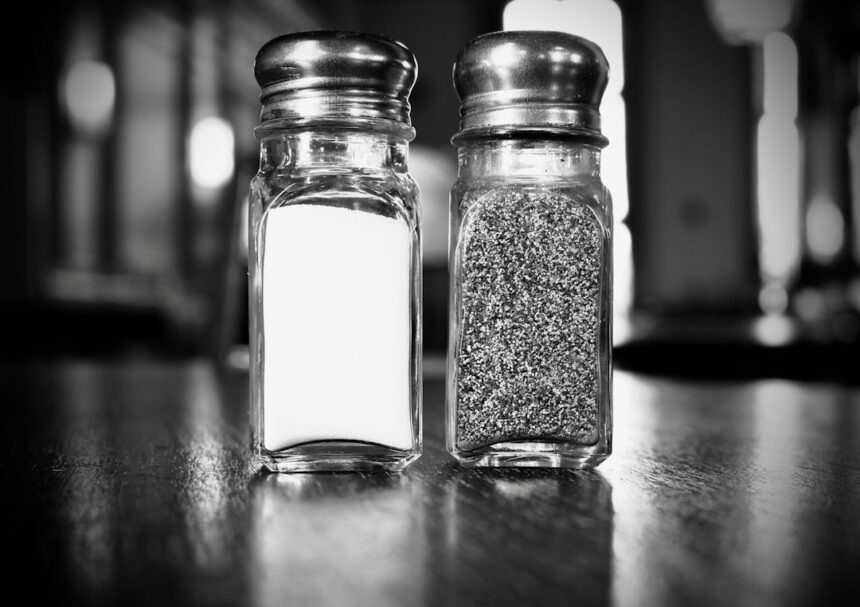
Elderly person adding salt to meal at dining table, representing study findings on salt consumption habits
A comprehensive study of 8,300 older Brazilian adults found that men are significantly more likely to add salt at the table, with the habit linked to faster cognitive decline. The research reveals important gender differences in salt consumption patterns among aging populations. — Photo by Lachlan on Unsplash (Unsplash License)
SHARE
1 min read|136 words

New research from Brazil examining 8,300 older adults offers clinically relevant insights into dietary behaviors and cognitive aging. The study identified three critical findings for healthcare practitioners and aging populations: men demonstrate substantially higher rates of table salt addition than women; this habitual salt use correlates with measurable cognitive decline; and women’s salt consumption patterns reflect broader lifestyle and dietary choices rather than isolated habits.

These distinctions carry important implications for preventive health strategies. Rather than generic salt reduction messaging, targeted interventions should account for gender-specific behavioral patterns and motivational factors. For aging individuals and their caregivers, the findings suggest that addressing table salt habits may represent an accessible intervention point for cognitive health preservation. Healthcare providers can leverage these insights when counseling patients about nutrition and aging brain health.

Read the full article on GMJ Newsroom.

Was this article helpful?

GMJ Brief · Takeaway

📰 Read the full article: Large Brazilian Study Links Table Salt Habits to Cognitive Decline in 8,300 Older Adults →

Share This Article
Facebook LinkedIn Bluesky Copy Link Print
GMJ
ByProf. Giorgi Pkhakadze
Follow:
Prof. Giorgi Pkhakadze, MD, MPH, PhD, is Editor-in-Chief of the Georgian Medical Journal and Chair of the Public Health Institute of Georgia (PHIG). He is Professor and Head of the Department of Social and Behavioural Sciences at David Tvildiani Medical University, and Secretary/Treasurer of the UEMS Section of Public Health. ORCID: 0000-0001-7609-4515.

Submit Your Paper →

Georgia's peer-reviewed open-access medical journal. No APC until January 2027.
Submit Manuscript →
UK’s MHRA Launches Innovation Guidance to Accelerate Medical Device and Drug Development

The UK's MHRA has published formal guidance for drug and medical device…

Rural Healthcare’s $50 Billion Question: Can Technology Alone Solve Workforce Shortages?

A $50 billion US rural healthcare investment prioritises technology infrastructure, but health…

FDA-Approved Drug Restores Immunotherapy Efficacy in Rare Liver Cancer by Releasing Trapped T Cells

Researchers have identified that rare liver cancers evade immunotherapy by trapping immune…

Submit Your Paper to GMJ

No APC until January 2027.
Submit Manuscript →

You Might Also Like

Medical professional preparing enhanced flu vaccine for older adult patient

MHRA Authorizes Adjuvanted Flu Vaccine to Combat Age-Related Immune Decline

By
Prof. Giorgi Pkhakadze
22/06/2026

WHO Praises Uganda’s Ebola Response as Cases Spread from DRC

By
Prof. Giorgi Pkhakadze
17/06/2026
Illustration of ribosome collisions in brain cells causing protein misfolding and aging

What Brain Researchers Just Learned About Aging: Three Critical Insights for Disease Prevention

By
Prof. Giorgi Pkhakadze
01/07/2026
Children affected by immigration enforcement and family separation policies

Announcement: Mass Immigration Raids Leave Thousands of Children Without Parents: Legal Guardianship Crisis Emerges

By
Prof. Giorgi Pkhakadze
02/06/2026
Facebook Twitter Youtube Instagram
Company
  • Privacy Policy
  • Contact US
  • GMJ Journal
  • Submit Manuscript
  • Editorial Team
  • Register at GMJ
  • Terms of Use

Subscribe to GMJ News — Click here

Join Community
© 2026 Georgian Medical Journal (GMJ). Published by the Public Health Institute of Georgia (PHIG). All rights reserved.
Welcome Back!

Sign in to your account

Username or Email Address
Password

Lost your password?

Not a member? Sign Up