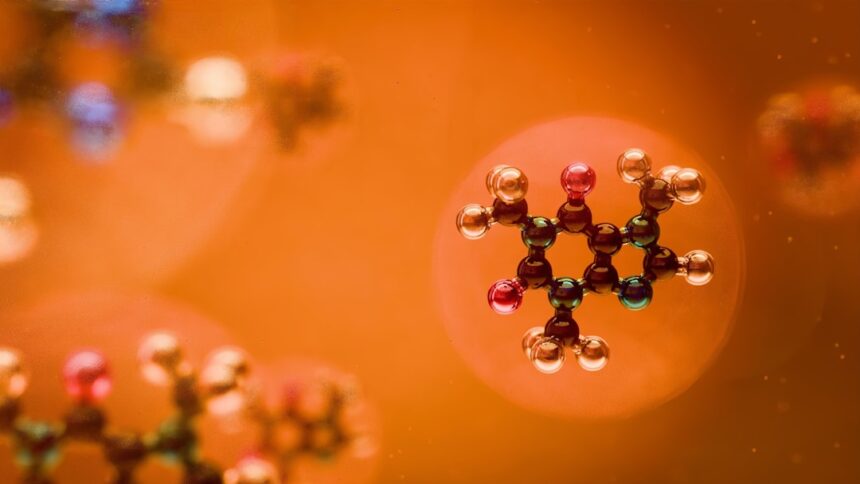
A newly solved structural chemistry puzzle involving rye pollen compounds yields three key implications for cancer research and drug development. First, the precise three-dimensional molecular structures of two bioactive compounds have been determined after three decades of investigation, providing the long-sought architectural blueprint for further study.
Second, this structural clarity enables researchers to investigate mechanism-of-action pathways and map how these compounds interact with immune system components. Understanding these interactions is essential for identifying which specific chemical regions drive anti-tumour activity and predicting therapeutic efficacy.
Third, and most significantly, these findings may accelerate development of next-generation cancer immunotherapies by clarifying how natural compounds engage immune pathways. The research provides a foundation for structure-activity relationship studies and potential clinical translation, offering new directions for immunological approaches to cancer treatment that have been obscured for decades.
Read the full article on GMJ Newsroom.

Was this article helpful?