By using this site, you agree to the Privacy Policy and Terms of Use.
Accept
GMJ NewsGMJ NewsGMJ News
  • Latest News
    • GMJ Briefs
  • Podcast & Media
    • Podcast Episodes
    • GMJ Audio
    • GMJ Videos
  • Research Digest
    • New Studies
    • Georgian Research
    • Data & Numbers
  • Policy & Systems
    • Health Policy
    • Quality & Safety
    • Migration & Health
    • Global Health
  • Practice
    • Clinical Updates
    • Case Discussions
    • Pharmacy & Prescribing
    • Ingredients A-Z
  • Perspectives
    • Editorial
    • Explainers
    • Voices
    • Letters
  • GMJ Articles
    • Vol. 1 Issue 2 (2026)
    • Vol. 1 Issue 1 (2026)
    • Pre-Launch Articles (2025)
  • Read the Journal →
  • About GMJ News
Notification Show More
Font ResizerAa
GMJ NewsGMJ News
Font ResizerAa
  • Latest News
    • GMJ Briefs
  • Podcast & Media
    • Podcast Episodes
    • GMJ Audio
    • GMJ Videos
  • Research Digest
    • New Studies
    • Georgian Research
    • Data & Numbers
  • Policy & Systems
    • Health Policy
    • Quality & Safety
    • Migration & Health
    • Global Health
  • Practice
    • Clinical Updates
    • Case Discussions
    • Pharmacy & Prescribing
    • Ingredients A-Z
  • Perspectives
    • Editorial
    • Explainers
    • Voices
    • Letters
  • GMJ Articles
    • Vol. 1 Issue 2 (2026)
    • Vol. 1 Issue 1 (2026)
    • Pre-Launch Articles (2025)
  • Read the Journal →
  • About GMJ News
Follow US
GMJ News > GMJ Briefs > What You Need to Know About the Next Generation of Glucose Monitoring Technology

What You Need to Know About the Next Generation of Glucose Monitoring Technology

GMJ
Last updated: 27/06/2026 22:06
By
Prof. Giorgi Pkhakadze
Share
1 Min Read
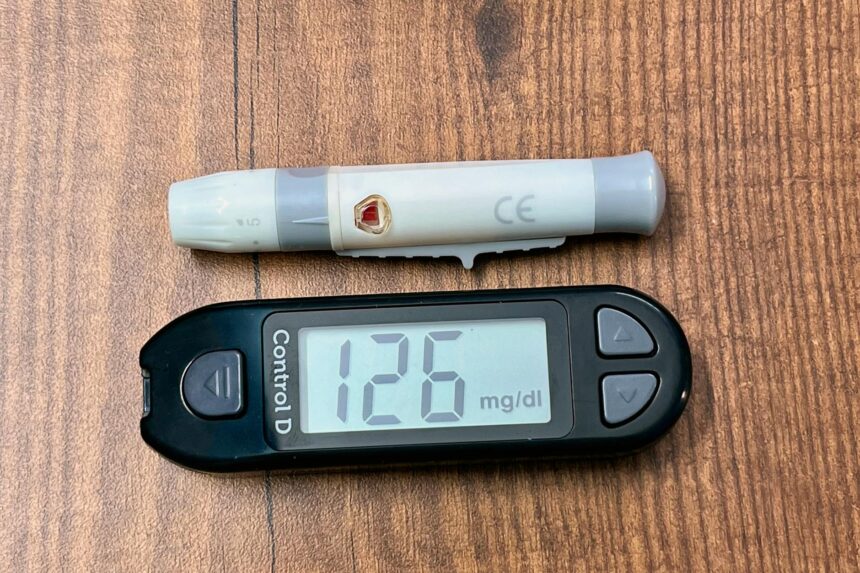
Illustration of nanotechnology sensors being used for diabetes glucose monitoring
Australian researchers develop nanotechnology sensors that could revolutionize diabetes monitoring by making glucose testing more accurate and less invasive. The innovation could benefit 537 million adults worldwide living with diabetes. — Photo: Arunangshu Banerjee / Pexels
SHARE
1 min read|135 words

Researchers at Australian National University have developed nanotechnology-based glucose sensors with three key advantages over current monitoring systems. First, these sensors deliver more accurate glucose detection than conventional commercial monitors, utilizing advanced materials science for enhanced sensitivity. Second, they provide less invasive monitoring compared to traditional finger-stick blood tests, addressing a major source of patient burden and non-compliance.

Third, this innovation could benefit the estimated 537 million diabetes patients worldwide by making monitoring more accessible and comfortable. Current continuous glucose monitors, while effective, remain expensive and require frequent calibration with traditional meters—limitations this new platform overcomes.

For patients managing diabetes daily, these practical improvements could translate into better adherence to monitoring protocols and ultimately improved glycemic control. The technology represents a meaningful step forward in reducing the physical and emotional burden of chronic disease management.

Was this article helpful?

GMJ Brief · Takeaway

📰 Read the full article: Nanotechnology Innovation Promises to Transform Diabetes Monitoring and Care →

Share This Article
Facebook LinkedIn Bluesky Copy Link Print
GMJ
ByProf. Giorgi Pkhakadze
Follow:
Prof. Giorgi Pkhakadze, MD, MPH, PhD, is Editor-in-Chief of the Georgian Medical Journal and Chair of the Public Health Institute of Georgia (PHIG). He is Professor and Head of the Department of Social and Behavioural Sciences at David Tvildiani Medical University, and Secretary/Treasurer of the UEMS Section of Public Health. ORCID: 0000-0001-7609-4515.

Submit Your Paper →

Georgia's peer-reviewed open-access medical journal. No APC until January 2027.
Submit Manuscript →
How one biotech startup transformed clinical trial failure into an AI-powered health technology breakthrough

A biotech startup has converted data from a failed clinical trial into…

The Hidden Cost of Secrecy: How Missing Research Data Undermines Clinical Guidance

Systematic reviews and meta-analyses that guide clinical practice are increasingly compromised by…

Corrected Global Data on Substance Use Burden Across 204 Countries Reveals Shifting Patterns

Nature Medicine has published a corrected Global Burden of Disease assessment of…

Submit Your Paper to GMJ

No APC until January 2027.
Submit Manuscript →

You Might Also Like

Military medical personnel in uniform representing healthcare recruitment challenges

Critical Data: Military Physician Shortage Reaches National Security Threshold

By
Prof. Giorgi Pkhakadze
15/06/2026

EBOLA CROSS-BORDER TRANSMISSION: DRC-UGANDA PHEIC DECLARED

By
Prof. Giorgi Pkhakadze
31/05/2026
NHS medical workforce planning strategy diagram showing policy changes and training priorities

Medical Training Act Now Legally Mandates UK Graduate Priority—But At What Cost?

By
Prof. Giorgi Pkhakadze
09/07/2026
Healthcare professionals discussing patient care standards and professional conduct

BMJ Framework Transforms How Healthcare Teams Address Unprofessional Patient Comments

By
Prof. Giorgi Pkhakadze
01/07/2026
Facebook Twitter Youtube Instagram
Company
  • Privacy Policy
  • Contact US
  • GMJ Journal
  • Submit Manuscript
  • Editorial Team
  • Register at GMJ
  • Terms of Use

Subscribe to GMJ News — Click here

Join Community
© 2026 Georgian Medical Journal (GMJ). Published by the Public Health Institute of Georgia (PHIG). All rights reserved.
Welcome Back!

Sign in to your account

Username or Email Address
Password

Lost your password?

Not a member? Sign Up