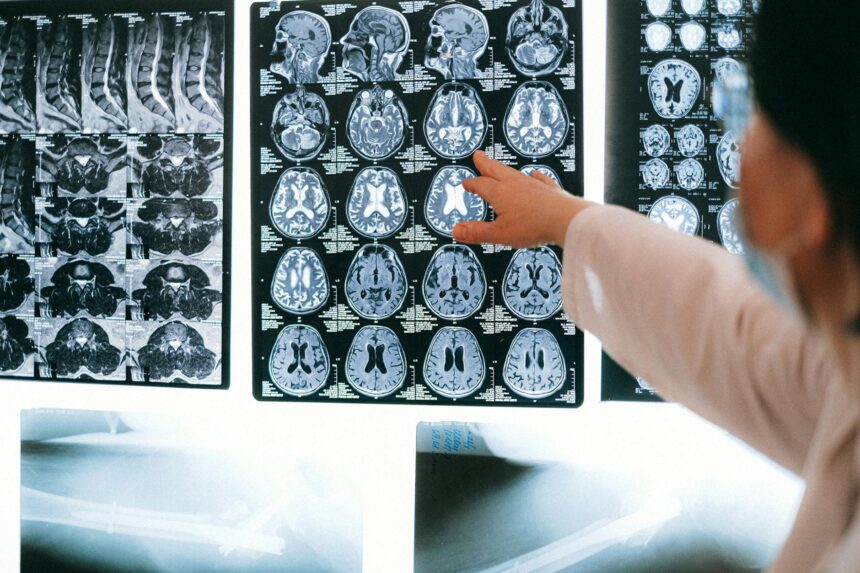
Understanding amino acid metabolism offers practical insights for optimizing cognitive health. First, the brain’s functional capacity depends on 20 distinct amino acids regulating neurotransmitter synthesis—deficiencies in any single amino acid can impair specific cognitive processes. Second, tryptophan and tyrosine demonstrate direct, measurable influences on mood and cognitive performance, making protein quality and composition clinically significant for mental health. Third, branched-chain amino acids serve as alternative fuel sources during periods of reduced glucose availability, suggesting that adequate protein intake supports sustained mental endurance. The clinical implication is clear: cognitive performance is not merely a function of overall caloric intake, but specifically dependent on balanced amino acid availability. For patients experiencing mood disorders, attention difficulties, or cognitive decline, dietary protein assessment and optimization should be considered alongside conventional therapeutic approaches. Ensuring sufficient intake of complete proteins containing all essential amino acids may represent a foundational strategy for cognitive health.
Was this article helpful?