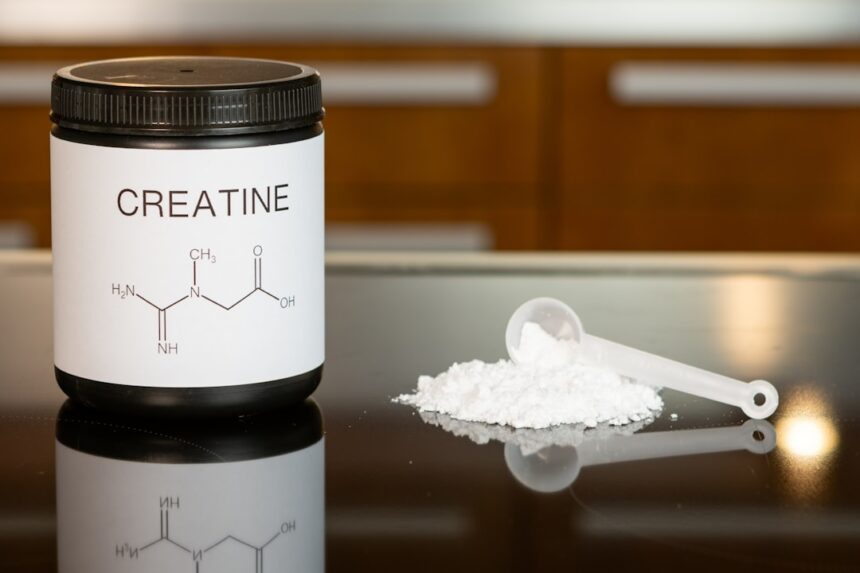
The persistent misconception that creatine damages kidneys stems from a misunderstanding of creatinine metabolism and kidney function testing. Here’s what clinicians need to know: creatine degrades to creatinine at approximately 2 percent per day, increasing urinary creatinine waste. However, standard kidney function equations assume constant creatinine production—an assumption violated when supplementation increases intramuscular creatine stores.
This mathematical artifact does not indicate renal dysfunction. A 2025 meta-analysis of 21 studies confirms that actual kidney health markers—measured glomerular filtration rate, cystatin C, proteinuria, and albuminuria—remain entirely unchanged in creatine users. When serum creatinine rises without corresponding changes in these objective measures, the elevation reflects altered creatinine production, not kidney damage.
Clinicians evaluating patients on creatine supplementation should employ comprehensive kidney function assessment rather than relying on serum creatinine alone, ensuring accurate diagnosis and appropriate clinical decision-making.
Read the full article on GMJ Newsroom.

Was this article helpful?