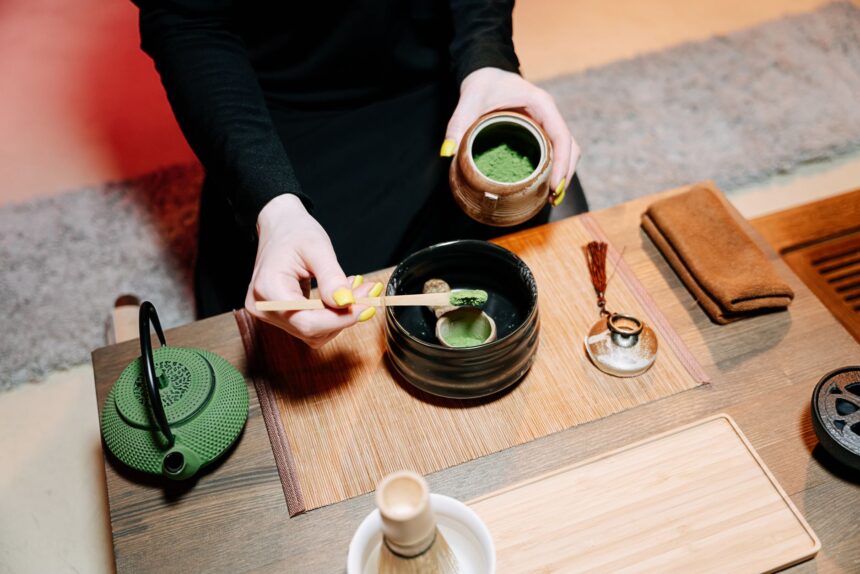
Matcha and steeped green tea originate from identical plant sources, yet their chemical profiles diverge dramatically due to preparation methods. According to research published in the Journal of Chromatography A, matcha delivers approximately three times more EGCG (epigallocatechin gallate), a potent catechin polyphenol, compared to typical steeped green teas. This substantial difference stems not from superior leaf quality, but from a fundamental distinction in consumption: matcha delivers whole-leaf ingestion, while steeping extracts only water-soluble compounds, leaving solid matter discarded. The shade-growing process used for matcha further elevates L-theanine and chlorophyll content, amplifying bioavailable catechin levels significantly. However, marketing claims regarding “calm focus” effects currently exceed available clinical evidence. Robust large-scale trials remain necessary before definitive health benefit claims can be substantiated. The practical takeaway is clear: preparation chemistry matters profoundly in determining final beverage composition and potential bioavailability.
Was this article helpful?