By using this site, you agree to the Privacy Policy and Terms of Use.
Accept
GMJ NewsGMJ NewsGMJ News
  • Latest News
    • GMJ Briefs
  • Podcast & Media
    • Podcast Episodes
    • GMJ Audio
    • GMJ Videos
  • Research Digest
    • New Studies
    • Georgian Research
    • Data & Numbers
  • Policy & Systems
    • Health Policy
    • Quality & Safety
    • Migration & Health
    • Global Health
  • Practice
    • Clinical Updates
    • Case Discussions
    • Pharmacy & Prescribing
    • Ingredients A-Z
  • Dictionary
    • Browse A–Z
    • About the Project
    • Contribute a Term
  • Perspectives
    • Editorial
    • Explainers
    • Voices
    • Letters
  • Health Topics
  • GMJ Articles
    • Vol. 1 Issue 2 (2026)
    • Vol. 1 Issue 1 (2026)
    • Pre-Launch Articles (2025)
  • Read the Journal →
  • About GMJ News
Notification Show More
Font ResizerAa
GMJ NewsGMJ News
Font ResizerAa
  • Latest News
    • GMJ Briefs
  • Podcast & Media
    • Podcast Episodes
    • GMJ Audio
    • GMJ Videos
  • Research Digest
    • New Studies
    • Georgian Research
    • Data & Numbers
  • Policy & Systems
    • Health Policy
    • Quality & Safety
    • Migration & Health
    • Global Health
  • Practice
    • Clinical Updates
    • Case Discussions
    • Pharmacy & Prescribing
    • Ingredients A-Z
  • Dictionary
    • Browse A–Z
    • About the Project
    • Contribute a Term
  • Perspectives
    • Editorial
    • Explainers
    • Voices
    • Letters
  • Health Topics
  • GMJ Articles
    • Vol. 1 Issue 2 (2026)
    • Vol. 1 Issue 1 (2026)
    • Pre-Launch Articles (2025)
  • Read the Journal →
  • About GMJ News
Follow US
GMJ News > GMJ Briefs > WOAH Global Laboratory Network Expands to 182 Countries, Up 26 Members Since 2015

WOAH Global Laboratory Network Expands to 182 Countries, Up 26 Members Since 2015

GMJ
Last updated: 04/07/2026 09:15
By
Prof. Giorgi Pkhakadze
Share
1 Min Read
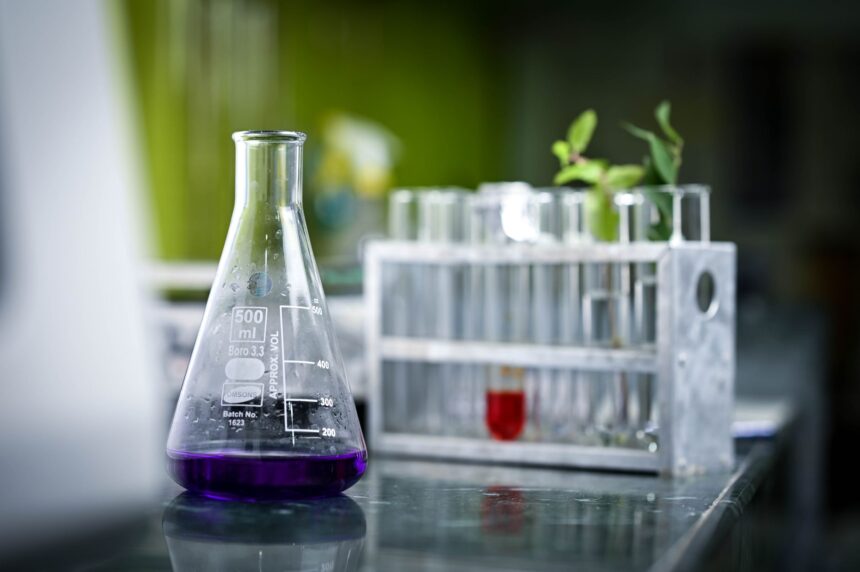
WOAH laboratory network showing digital monitoring systems and global connectivity
WOAH introduces streamlined laboratory reconfirmation procedures, reducing documentation by 30% while maintaining scientific standards for global animal health surveillance. Digital platforms enhance oversight across 182 participating countries. — Photo by Mehul Patel on Pexels (Pexels License)
SHARE
1 min read|120 words

The World Organisation for Animal Health’s global laboratory network has experienced substantial growth over the past decade, expanding from 156 participating countries in 2015 to 182 members today. This 26-country increase reflects growing international commitment to strengthened animal health surveillance and coordination. To further encourage participation, WOAH has introduced streamlined reconfirmation processes that reduce administrative barriers while preserving scientific credibility. The simplified assessment framework maintains rigorous competency evaluations while decreasing documentation requirements by approximately 30%. New digital platforms support this expansion by automating performance monitoring and enabling seamless data integration across veterinary and human health systems. By removing unnecessary bureaucratic obstacles, WOAH aims to make participation more accessible to developing nations and strengthen global capacity for detecting emerging zoonotic threats and antimicrobial resistance patterns.

Was this article helpful?
GMJ Brief · Key Finding

📰 Read the full article: WOAH Introduces Simplified Laboratory Reconfirmation Process for Veterinary Standards →

Share This Article
Facebook LinkedIn Bluesky Copy Link Print
GMJ
ByProf. Giorgi Pkhakadze
Follow:
Prof. Giorgi Pkhakadze, MD, MPH, PhD, is Editor-in-Chief of the Georgian Medical Journal and Chair of the Public Health Institute of Georgia (PHIG). He is Professor and Head of the Department of Social and Behavioural Sciences at David Tvildiani Medical University, and Secretary/Treasurer of the UEMS Section of Public Health. ORCID: 0000-0001-7609-4515.

Submit Your Paper →

Georgia's peer-reviewed open-access medical journal. No APC until January 2027.
Submit Manuscript →
Ethiopia Study Reveals Stakeholder Concerns Over Novel Malaria Treatments

A qualitative study in Ethiopia reveals that health workers and patients view…

Sitafloxacin monotherapy matches doxycycline-rifampicin for brucellosis treatment in landmark trial

A multicenter randomized trial in The Lancet Regional Health – Western Pacific…

Ultra-processed foods linked to higher kidney cancer risk in large US study

A prospective analysis of over 300,000 US adults found that higher consumption…

Submit Your Paper to GMJ

No APC until January 2027.
Submit Manuscript →

You Might Also Like

Young person at dentist office representing UK dental access crisis and student financial burden

New Data: British Students Depleting Savings to Afford Private Dental Treatment

By
Prof. Giorgi Pkhakadze
11/07/2026
Laboratory scientist analyzing blood samples for PFAS chemical detection and fingerprinting

What You Need to Know: PFAS Leave Traceable Marks in Your Blood—Here’s What It Means

By
Prof. Giorgi Pkhakadze
11/07/2026
Policy & SystemsQuality & Safety

FDA Alerts Hospitals to Medline Catheter Recall Over Infection Risk

By
Prof. Giorgi Pkhakadze
21/06/2026
Medical illustration showing kidney protection with finerenone drug therapy

Three Essential Insights from Finerenone Trials: What Non-Diabetic CKD Patients Need to Know

By
Prof. Giorgi Pkhakadze
24/07/2026
Facebook Twitter Youtube Instagram
Company
  • Privacy Policy
  • Contact US
  • GMJ Journal
  • Submit Manuscript
  • Editorial Team
  • Register at GMJ
  • Terms of Use

Subscribe to GMJ News — Click here

Join Community
© 2026 Georgian Medical Journal (GMJ). Published by the Public Health Institute of Georgia (PHIG). All rights reserved.
Welcome Back!

Sign in to your account

Username or Email Address
Password

Lost your password?