


Explainers
Plain-language deep dives for public audiences

Vitamins as Biological Operators: Why Micronutrient Function Matters More Than Dosage
Vitamins function as specific biochemical operators in skeletal, immune, neurological, and metabolic systems, not as interchangeable nutrients. Deficiencies present across…

One-third of American Adults Miss Sleep Guidelines: What the Evidence Shows About Supplements and Sleep
Approximately one-third of American adults fail to meet the recommended 7–9 hours of nightly sleep. Evidence shows that lifestyle modifications…


Mitochondrial metabolism reshapes immunity, stem cells, and tumour development
Mitochondrial TCA cycle intermediates function as master regulators of immune responses, stem cell fate, and…
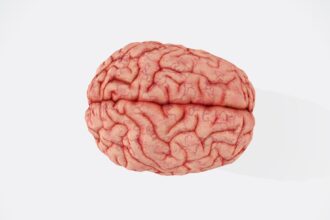
How B Vitamins and Micronutrients Protect Brain Function: Evidence from Neuroscience
B vitamins regulate homocysteine, fuel mitochondrial energy production, and synthesize mood-regulating neurotransmitters—three mechanisms critical for…

How your body’s metabolic pathways control energy, mood, and health
Your body uses a unified metabolic system where carbohydrates, fats, and proteins all converge into…

Bones Are Metabolic Organs: How Mechanical Loading Regulates Blood Sugar
Bone tissue functions as an active metabolic organ that regulates blood sugar through mechanical loading…

How neurotransmitters control your mood, sleep, and focus: a primer on brain chemistry
Neurotransmitters—dopamine, serotonin, acetylcholine, and nine others—regulate mood, sleep, focus, and motivation through chemical signalling between…