


Explainers
Plain-language deep dives for public audiences

L-Arginine’s Hidden Role: From Vascular Function to Alzheimer’s Protein Dynamics
L-arginine extends its biological influence far beyond vascular regulation into unexpected domains: cerebral blood flow, cognitive performance, and amyloid-β protein…

Why Afternoon Fatigue Strikes After Lunch—and How Nutrition Can Help
Post-lunch afternoon fatigue is a common metabolic phenomenon driven by blood sugar fluctuations and circadian rhythms. Registered dietitians outline three…



Cumulative Chemical Exposure in Daily Life: A Toxicologist’s Evidence-Based Risk Reduction Strategy
While complete chemical avoidance is impossible, cumulative exposure to synthetic chemicals in everyday products represents…

The Developmental Logic Behind Finger Length Variation in Humans
Finger length variation reflects precise developmental programming that optimizes human hands for both powerful gripping…
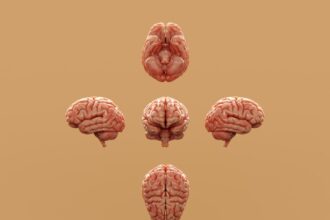
How Your Brain’s Wiring Controls Everything: A Guide to the Nervous System
The nervous system operates through three integrated levels: sensory pathways (trigeminal nerve), autonomic control (sympathetic…
How Cells Generate Energy: Understanding ATP, Mitochondria, and Why You Feel Tired
Cellular energy production occurs through three metabolic stages: glycolysis, the Krebs cycle, and the electron…

The Brain’s Master Clock: How Circadian Rhythms Control Sleep, Hunger, and Mood
The suprachiasmatic nucleus in your brain acts as a master clock, orchestrating sleep, hunger, hormones,…