


Explainers
Plain-language deep dives for public audiences
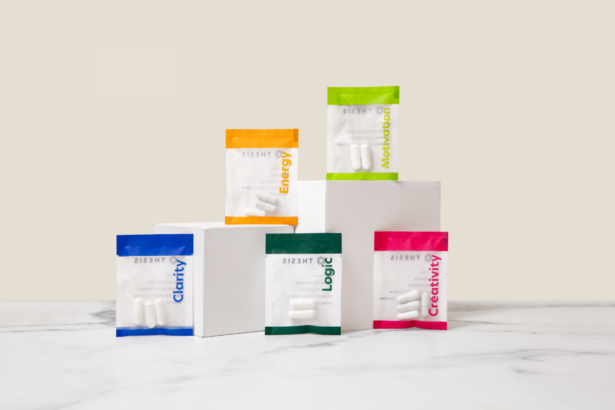
L-Arginine’s Hidden Role: From Vascular Function to Alzheimer’s Protein Dynamics
L-arginine extends its biological influence far beyond vascular regulation into unexpected domains: cerebral blood flow, cognitive performance, and amyloid-β protein…

Why Afternoon Fatigue Strikes After Lunch—and How Nutrition Can Help
Post-lunch afternoon fatigue is a common metabolic phenomenon driven by blood sugar fluctuations and circadian rhythms. Registered dietitians outline three…
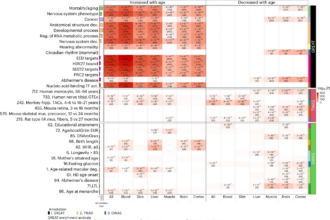
Biological Aging Clocks: How Scientists Are Measuring True Biological Age to Transform Medicine
Biological aging clocks—molecular markers measuring cellular aging independent of chronological age—are emerging as powerful tools…
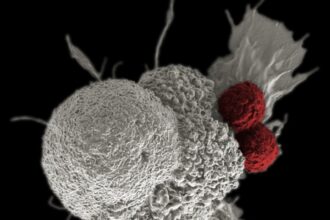
Ivermectin and cancer: why social media outpaces scientific evidence
Ivermectin shows activity against some cancer cell lines in laboratory settings, but lacks clinical trial…
Multifloral honey shows promise in protecting skin cells from UV damage, study finds
Laboratory research indicates multifloral honey may protect human skin cells from UV damage through antioxidant…

Late diagnosis in autistic women reveals decades-long gap in clinical recognition and support
Autistic women diagnosed in adulthood are documenting a decades-long clinical recognition gap driven by gender-biased…
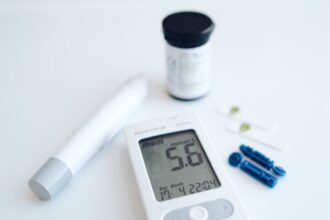
Glucose monitors for toddlers: weighing benefits against psychological risks
The approval of an over-the-counter continuous glucose monitor for young children has raised concerns among…