Updated 13/09/2026
🟠 Moderate Evidence
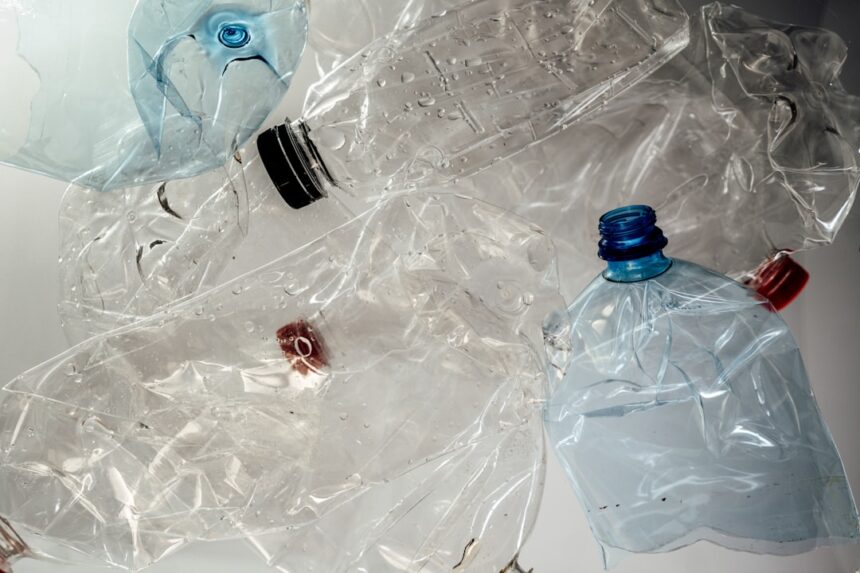
Exposure to diethylhexyl phthalate (DEHP), a widely used plasticizer in consumer and medical products, during the perinatal period may produce lasting behavioral changes in exposed individuals. New animal research published via ScienceDaily demonstrates that male rats exposed to DEHP early in life exhibited significantly elevated anxiety-like behaviors in adulthood, including reduced exploratory activity and increased freezing responses, despite cessation of chemical exposure months prior to behavioral testing.
Key takeaways
- Male rats exposed to DEHP during critical developmental windows showed persistent anxiety-like behaviors months after exposure ended
- DEHP is a ubiquitous plasticizer found in medical devices, toys, vinyl flooring, and food packaging across consumer markets
- The study suggests developmental chemical exposures may alter behavioral neurobiology through mechanisms requiring further investigation
- Findings add to growing evidence linking phthalate exposure to neurodevelopmental and behavioral outcomes in animal models
Study at a Glance
| Source | ScienceDaily research report |
| Study type | Experimental animal model (controlled exposure) |
| Population | Male and female Sprague-Dawley rats |
| Exposure period | Perinatal (before and shortly after birth) |
| Measurement | Anxiety-like behaviors in open field and elevated plus-maze tests |
DEHP: A plastic chemical with widespread consumer exposure
Common sources of diethylhexyl phthalate in household and medical products

Source: Chemical exposure assessment literature | Georgian Medical Journal News
Early developmental exposure as a critical window for neurotoxicity
The perinatal period—encompassing pregnancy and early infancy—represents a uniquely vulnerable developmental window for chemical exposures. During this interval, rapid neurogenesis, synaptogenesis, and establishment of neural circuits occur with minimal blood-brain barrier maturation, rendering the developing nervous system substantially more susceptible to chemical perturbation than adult tissue. The reported study examined whether DEHP exposure during this critical window could produce persistent behavioral alterations detectable in adulthood.
According to the ScienceDaily report, researchers found that male rats exposed to DEHP during the perinatal period exhibited significantly heightened anxiety-like responses months later, manifested as reduced willingness to explore open spaces and increased freezing behavior—both validated indicators of elevated anxiety in rodent behavioral models. Critically, these behavioral changes persisted despite complete cessation of chemical exposure, suggesting that early DEHP exposure may produce lasting alterations in the neural circuits governing fear and anxiety responses. This pattern aligns with mechanistic understanding of developmental neurotoxicity, wherein chemical insults during critical periods can permanently reorganize neural architecture through altered gene expression, epigenetic modifications, and disrupted synaptic development.
DEHP in global consumer and clinical environments
Diethylhexyl phthalate occupies a paradoxical position in modern healthcare and consumer product manufacturing. The chemical is valued for its capacity to render polyvinyl chloride (PVC) flexible and durable, making it essential in numerous medical applications—from intravenous tubing to blood transfusion bags—where material flexibility is clinically required. Simultaneously, DEHP is ubiquitous in non-medical consumer products including children’s toys, food storage containers, cosmetics, vinyl flooring, and clothing.
This dual presence creates substantial population exposure. The U.S. Centers for Disease Control and Prevention (CDC) has documented widespread DEHP detection in biomonitoring studies of the general U.S. population, with phthalate metabolites identified in the majority of urine samples tested. Hospital patients receiving intensive medical care may experience particularly elevated exposure due to reliance on PVC-containing medical devices. Pediatric populations face compounded risk from both medical device exposure and contact with toys and household products during critical developmental stages. The chemical can leach from products into food, water, air, and direct skin contact, particularly under conditions of heat or mechanical stress.
Behavioral neurobiology and implications for developmental chemical safety
The anxiety-like phenotype observed in the exposed male rats aligns with growing evidence from animal toxicology implicating phthalates in neurodevelopmental disruption. Proposed mechanisms include endocrine disruption, inflammation, oxidative stress, and direct effects on gene expression within developing brain regions including the amygdala, hippocampus, and prefrontal cortex—anatomical substrates critical for fear conditioning and anxiety regulation. The sex-specific effects observed (anxiety pronounced in males) suggest potential interactions with sex hormone systems during perinatal development, a finding requiring further investigation regarding mechanistic specificity.
This research contributes to a broader literature linking chemical exposures during sensitive developmental windows to altered emotional and behavioral outcomes. Previous studies examining phthalate neurotoxicity have documented similar behavioral alterations in multiple rodent models, lending consistency to the current findings. However, translating animal behavioral data to human health requires cautious interpretation; anxiety-like responses in rodent open field tests do not directly correspond to clinical anxiety disorders in humans, and rodent dosing regimens may not precisely mirror human exposure scenarios.
Regulatory landscape and outstanding research gaps
The regulatory status of DEHP varies internationally. The European Chemicals Agency (ECHA) has identified phthalates as substances of very high concern, with DEHP classified as a reproductive and developmental toxicant. Some EU member states have restricted or banned DEHP from certain toy and childcare product categories. In contrast, the U.S. Food and Drug Administration (FDA) permits DEHP use in medical devices, citing clinical necessity and absence of proven safe alternatives, while simultaneously restricting it in certain consumer products.
Critical research gaps persist regarding the relationship between animal model findings and human health outcomes. Epidemiological studies examining associations between early-life phthalate exposure (measured via maternal or infant urine biomarkers) and childhood behavioral or psychiatric outcomes remain limited and often confounded by socioeconomic factors and concurrent chemical exposures. Dose-response relationships in humans remain poorly characterized, as do potential windows of maximum vulnerability and mechanisms underlying observed associations. Future research should prioritize prospective cohort designs linking biomarker-measured early-life phthalate exposure to rigorously assessed behavioral phenotypes in childhood and adolescence, with particular attention to potential sex-specific effects and interactions with other environmental stressors.
Male rats exposed to DEHP during the perinatal period demonstrated significantly elevated anxiety-like behaviors in adulthood, including reduced exploratory activity and increased freezing responses, months after chemical exposure had ceased—suggesting lasting effects of early developmental phthalate exposure on neural circuits governing fear and anxiety regulation.
— Research team via ScienceDaily (2026)
What this means
Frequently asked questions
How does early exposure to DEHP produce lasting anxiety if the chemical is no longer present in the body?
During critical developmental windows, chemical exposures can permanently alter the structure and function of neural circuits through mechanisms including altered gene expression, epigenetic modifications (changes in DNA methylation and histone acetylation), abnormal synaptic pruning, and long-lasting changes in neurotransmitter systems. Once these neural circuits are reorganized, the behavioral phenotype persists even after the chemical has been metabolized and eliminated from the body—similar to how early-life experiences can produce lasting psychological effects independent of the original environmental stimulus.
Are children currently being exposed to unsafe levels of DEHP?
The CDC has documented widespread DEHP metabolites in biomonitoring surveys of the general U.S. population, indicating that measurable exposure is common. However, whether current exposure levels in non-medical populations produce clinically significant health effects in humans remains uncertain. The animal study reports effects at doses used in research; human population exposure levels and resulting health risks require further epidemiological investigation. Medical device exposure may be higher but is considered clinically necessary by regulatory agencies.
What can consumers do to reduce phthalate exposure?
Practical steps include: minimizing heating of food in plastic containers; choosing products labeled “phthalate-free”; selecting glass or stainless steel food storage containers where feasible; reducing reliance on vinyl products; and checking toy labels for phthalate certifications. However, complete avoidance is difficult given the chemical’s ubiquity in medical devices, building materials, and numerous consumer products. Pregnant women and parents of young children may benefit most from intentional reduction efforts, though medical devices should never be avoided without provider consultation.
As research clarifies the neurodevelopmental effects of early phthalate exposure in animal models, the translational gap to human health outcomes becomes increasingly critical. Rigorous prospective epidemiological studies linking biomarker-measured early-life DEHP exposure to validated behavioral and psychiatric assessments in children represent a necessary next step. In the interim, precautionary approaches emphasizing reduction of non-essential exposures, particularly in vulnerable populations, align with established principles of developmental neurotoxicology and public health protection.
Source: Common plastic chemical linked to lifelong anxiety in new study
🗺️ Find certified Georgian healthcare providers: sheniekimi.ge — Georgia Health Map · 998 clinics · 6,600+ doctors · 2,296 pharmacies
Was this article helpful?
Disclaimer. This article is health journalism intended for general information and education. It is not medical advice and is not a substitute for professional diagnosis or treatment. Always consult a qualified healthcare provider about your individual circumstances. Full disclaimer →
Related Coverage



Editorial standards. This article was produced under the GMJ News editorial process, with oversight by the GMJ Editorial Board. Our editorial process. Spotted an error? Contact the editorial team.