


Tag: brain health
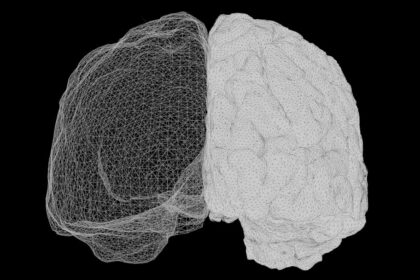
Why Nutrients Work Better Together: How Coordinated Inputs Reshape Brain Synapses
New neuroscience research reveals that synapses respond more robustly to coordinated nutrient combinations than to isolated nutrients, reshaping how researchers…
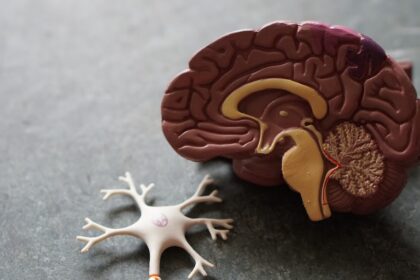
How amino acids shape brain function: from neurotransmitters to cognitive endurance
Amino acids are the biochemical foundation of neurotransmitter synthesis, energy metabolism, and synaptic communication. Nine essential amino acids obtained through…
How Minerals Shape Brain Function: Evidence from Neuroscience on Micronutrient Deficiency and Cognition
Minerals are fundamental to brain function, yet deficiencies remain widespread. Iodine, iron, copper, zinc, lithium, and chromium each regulate distinct…
Brain’s Energy Demands and Micronutrient Metabolism: What the Evidence Shows
The brain consumes 20% of the body's energy in adults, rising to 50% in early childhood. This extraordinary demand depends…

Resistance Training Protects Brain Health Through Multiple Pathways, Research Shows
Resistance training activates seven biological pathways that protect brain health and reduce dementia risk, according to Allison et al. (2025).…
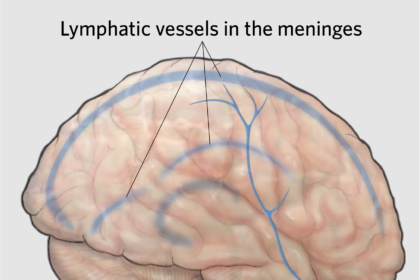
How Your Brain Cleans Itself: The Glymphatic System Explained
Your brain operates a continuous waste-removal system called the glymphatic system, which uses cerebrospinal fluid guided by specialized astrocyte cells…

How B Vitamins and Micronutrients Power the Brain’s Energy System
The brain consumes 20% of adult body energy—up to 50% in children—demanding constant B-vitamin and micronutrient supply. Deficiencies in B12,…

How Vitamins and Minerals Power Brain Chemistry: The Neurotransmitter Connection
Vitamins B6, B12, folate, and minerals including zinc, magnesium, and iron function as essential cofactors in neurotransmitter synthesis and metabolism.…