


Influenza
GMJ News knowledge hub · last reviewed September 2026 · Georgian Medical Journal
SummaryStatisticsGlossaryGMJ newsFAQDocumentsOrganizationsResearch
Seasonal influenza causes about 1 billion infections every year, including 3–5 million severe cases and 290,000–650,000 respiratory deaths (WHO) — a toll the annual vaccine, updated twice yearly through WHO's 70-year-old Global Influenza Surveillance and Response System (GISRS), keeps in check but never eliminates. The larger shadow is pandemic risk: H5N1 avian influenza has spread through wild birds, poultry and — since 2024 — dairy cattle, with sporadic human cases keeping virologists on alert. Vaccination of health workers, older adults, pregnant women and the chronically ill remains the core defence GMJ News monitors, alongside zoonotic surveillance.
Key messages
Annual burden
Seasonal influenza causes approximately 1 billion infections, 3-5 million severe cases and 290,000-650,000 respiratory deaths every year worldwide (WHO).
Vaccine works
The annual influenza vaccine reduces the risk of illness by 40-60% when well-matched to circulating strains. WHO recommends vaccination for high-risk groups: older adults, pregnant women, healthcare workers, children 6 months-5 years and people with chronic conditions.
GISRS surveillance
WHO's Global Influenza Surveillance and Response System (GISRS) — 70+ years old — monitors circulating strains in real time across 114 countries, informing twice-yearly vaccine strain recommendations for Northern and Southern hemisphere seasons.
Pandemic threat
Influenza A viruses can reassort to produce novel pandemic strains. H5N1 avian influenza has spread globally through wild birds and poultry and, since 2024, dairy cattle — with sporadic human cases raising pandemic preparedness alert levels.
Treatment
Antivirals — primarily oseltamivir (Tamiflu) and baloxavir — reduce severity and duration of influenza when started within 48 hours of symptom onset. They are most critical for hospitalised patients and high-risk groups.
Universal flu vaccine
A universal influenza vaccine — targeting conserved viral proteins that do not change with annual mutation — is a major research priority that would eliminate the need for annual reformulation and improve pandemic preparedness.
Key statistics
Estimated seasonal influenza-associated respiratory deaths/year by WHO region (thousands)
Source: Iuliano et al., Lancet 2018. Estimates have wide uncertainty ranges reflecting surveillance gaps.
Glossary of key terms
Latest GMJ coverage

Influenza surge in Southern Hemisphere prompts PAHO call for vaccination and health system readiness
17/09/2026

Europe reports 949 avian flu cases in birds across 30 countries in first half of 2026
21/08/2026
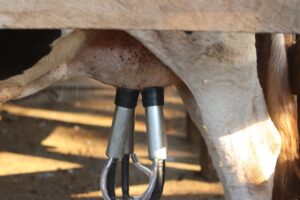
How H5N1 Found Its Way Into Dairy Cows: New Research Reveals Viral Strategy
20/08/2026

Innate Immune Strength Paradoxically Linked to Worse Flu Symptoms in Controlled Challenge Study
18/08/2026
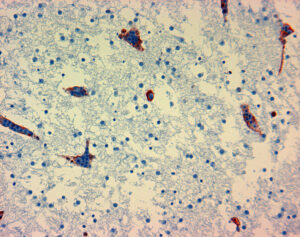
Australia Reports First High Pathogenicity H5N1 Case in Wild Bird
13/08/2026
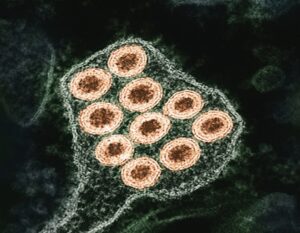
Close Contact Alone May Not Drive Influenza Transmission, Controlled Study Suggests
27/07/2026
Frequently asked questions 12 Q&A — structured for Google featured snippets and AI discovery
Knowledge hub: guidelines, conventions and reports
Organizations working in migration and health
Related health topics
VaccinesCOVID-19PneumoniaChild healthAgeingAMR
About this hub. Produced by the GMJ News Editorial Team as a public-good service. Every statistic is linked to its primary source. Documents are preserved in the GMJ Repository with full attribution. Georgian Medical Journal · Contact the editorial team