


Home › Topics › Traumatic Brain Injury
Traumatic Brain Injury
GMJ News knowledge hub · last reviewed October 2026 · Georgian Medical Journal
SummaryStatisticsGlossaryGMJ newsFAQDocumentsOrganizationsResearch
Traumatic brain injury (TBI) — caused by external mechanical forces to the brain from falls, road traffic crashes, violence, sports and conflict — affects an estimated 50 million people per year globally, representing the leading cause of injury-related death and disability and the most common cause of death and disability in adults aged 1-45 years (WHO/Lancet Neurology). Despite representing one of the largest global disease burdens, TBI has no approved neuroprotective pharmacological treatment — management remains entirely supportive. Long-term consequences include chronic traumatic encephalopathy (CTE — now confirmed in athletes and military veterans), dementia, post-traumatic epilepsy, depression and permanent neurological disability.
Key messages
50 million cases/year — leading cause of death in under-45s
Traumatic brain injury causes an estimated 50 million cases per year globally — the leading cause of injury-related death and disability and the most common cause of death and disability in adults aged 1-45 years (WHO/Lancet Neurology).
Road traffic accidents are the primary cause globally
Road traffic accidents are the leading cause of TBI globally (especially in LMICs); falls are the leading cause in high-income countries and among the elderly; violence (including blast injury from conflict) is significant in specific settings.
No approved neuroprotective treatment
Despite enormous research effort, no pharmacological neuroprotective treatment has been proven effective for TBI in clinical trials — progress-free steroids, hypothermia, antiepileptics for seizure prevention, mannitol for intracranial hypertension. Management remains supportive.
Three severity levels
TBI is classified by Glasgow Coma Scale: mild (GCS 13-15, most common — approximately 80%, includes concussion); moderate (GCS 9-12); severe (GCS ≤8 — coma, requiring ICU management).
CTE — the long-term consequence
Chronic traumatic encephalopathy (CTE) — a progressive neurodegenerative disease caused by repeated head impacts — has been confirmed in athletes (boxing, American football, rugby, ice hockey), military veterans, and others with repetitive TBI. CTE causes dementia, behavioural changes, depression and parkinsonism.
Prevention saves the most lives
Proven TBI prevention interventions: universal helmet use (motorcycle, bicycle, construction); seat belts and airbags; road safety improvements; fall prevention in the elderly; and sports rule changes to reduce head impacts.
Key statistics
TBI causes by region — % of TBI from each mechanism
Source: WHO. Road traffic accidents dominate LMICs; falls dominate in elderly HICs.
Glossary of key terms
Latest GMJ coverage
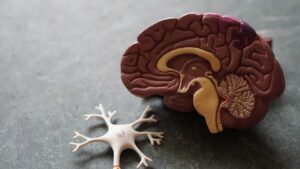
Concussion History Linked to Higher Tinnitus Risk, Study Finds
20/08/2026

Creatine in Children With Brain Injury: Evidence Contradicts Safety Fears
25/07/2026
Brain imaging reveals speech learning depends on sensory processing, not motor control alone
08/08/2026

Amino Acids Shape Cognition: How Protein Powers Brain Chemistry and Mental Performance
06/08/2026
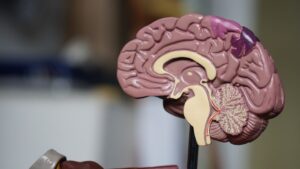
How Neurotransmitters Control Your Mood, Sleep, and Focus: A Brain Chemistry Primer
03/08/2026

Lab-grown brain circuits challenge ‘irreversible’ spinal cord injury paradigm
08/07/2026
Frequently asked questions 12 Q&A — structured for Google featured snippets and AI discovery
Knowledge hub: guidelines, conventions and reports
Organizations working in migration and health
Related health topics
Road traffic injuriesDisabilityDementia (TBI-dementia link)PTSDPost-traumatic epilepsyMental health
About this hub. Produced by the GMJ News Editorial Team as a public-good service. Every statistic is linked to its primary source. Documents are preserved in the GMJ Repository with full attribution. Georgian Medical Journal · Contact the editorial team