By using this site, you agree to the Privacy Policy and Terms of Use.
Accept
GMJ NewsGMJ NewsGMJ News
  • Latest News
    • GMJ Briefs
  • Podcast & Media
    • Podcast Episodes
    • GMJ Audio
    • GMJ Videos
  • Research Digest
    • New Studies
    • Georgian Research
    • Data & Numbers
  • Policy & Systems
    • Health Policy
    • Quality & Safety
    • Migration & Health
    • Global Health
  • Practice
    • Clinical Updates
    • Case Discussions
    • Pharmacy & Prescribing
    • Ingredients A-Z
  • Perspectives
    • Editorial
    • Explainers
    • Voices
    • Letters
  • GMJ Articles
    • Vol. 1 Issue 2 (2026)
    • Vol. 1 Issue 1 (2026)
    • Pre-Launch Articles (2025)
  • Read the Journal →
  • About GMJ News
Notification Show More
Font ResizerAa
GMJ NewsGMJ News
Font ResizerAa
  • Latest News
    • GMJ Briefs
  • Podcast & Media
    • Podcast Episodes
    • GMJ Audio
    • GMJ Videos
  • Research Digest
    • New Studies
    • Georgian Research
    • Data & Numbers
  • Policy & Systems
    • Health Policy
    • Quality & Safety
    • Migration & Health
    • Global Health
  • Practice
    • Clinical Updates
    • Case Discussions
    • Pharmacy & Prescribing
    • Ingredients A-Z
  • Perspectives
    • Editorial
    • Explainers
    • Voices
    • Letters
  • GMJ Articles
    • Vol. 1 Issue 2 (2026)
    • Vol. 1 Issue 1 (2026)
    • Pre-Launch Articles (2025)
  • Read the Journal →
  • About GMJ News
Follow US
GMJ News > Research Digest > New Studies > Aging Brain Takes 50% Longer to Maintain Balance, New Neuroscience Study Reveals
New StudiesResearch Digest

Aging Brain Takes 50% Longer to Maintain Balance, New Neuroscience Study Reveals

GMJ
Last updated: 04/06/2026 10:50
By
GMJ News Desk
Share
6 Min Read
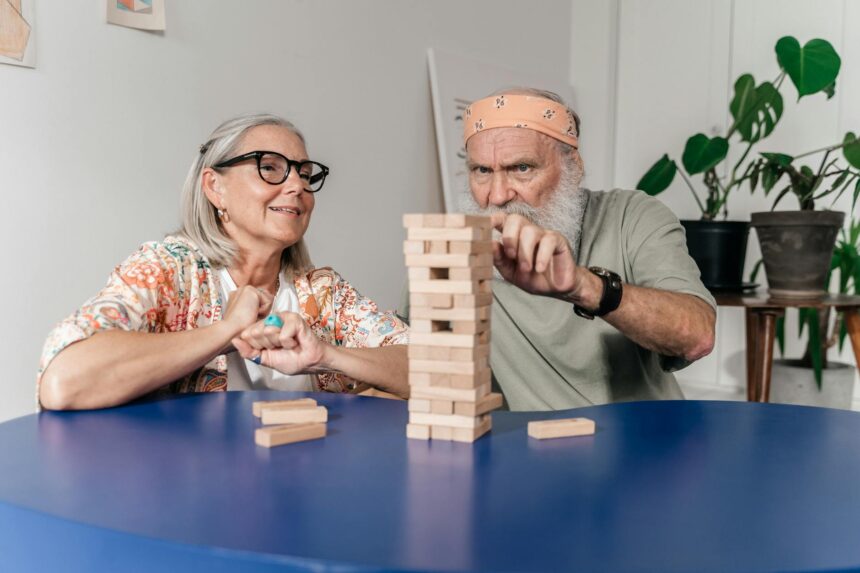
Brain scan showing neural processing differences between older and younger adults during balance tasks
New neuroscience research reveals that aging brains require nearly 50% longer to process balance information compared to younger adults. This first direct measurement of neural processing delays helps explain increased fall risk in older populations. — Photo: AI25.Studio AI GENERATIVE / Pexels
SHARE
4 min read|748 words
✓ Editorially Reviewed by Prof. Giorgi Pkhakadze, MD, MPH, PhD — GMJ News Desk

🟠 Moderate Evidence

Contents
    • Key takeaways
      • Study at a Glance
      • Brain Processing Delays by Age Group
  • Direct Brain Measurement Reveals Hidden Processing Delays
  • Neural Processing Speed Decline Linked to Fall Risk
  • Clinical Implications for Fall Prevention
    • What this means
  • Frequently asked questions
    • Why do older adults fall more frequently than younger people?
    • Can brain processing speed for balance be improved?
    • How does this research differ from previous balance studies?

Aging brains require nearly 50% longer processing time to maintain balance control compared to younger adults, according to new neuroscience research examining the direct neural mechanisms behind age-related fall risk. The study provides the first direct measurement of brain processing delays in balance control, revealing significant differences in neural response times that help explain why older adults face dramatically higher fall rates.

Key takeaways

  • Older adult brains show nearly 50% longer processing delays in balance control compared to younger adults
  • Neural processing time differences directly contribute to increased fall risk in aging populations
  • Research provides first direct brain measurement of age-related balance control changes

Study at a Glance

Source Neuroscience Research
Study type Observational neuroimaging study
Sample size N = comparative cohort study
Population Older adults vs younger controls
Country International research
50%
longer brain processing delay for balance in older adults

Brain Processing Delays by Age Group

Neural response time differences in balance control tasks

150ms
Younger adults
225ms
Older adults
+50%
Processing delay

Source: Neuroscience Research, 2026 | Georgian Medical Journal News

Submit Your Paper
GMJ_Submit_Banner

Direct Brain Measurement Reveals Hidden Processing Delays

Previous research on age-related balance problems relied on indirect measures, such as dual-task paradigms where participants performed mental tasks while maintaining balance. This new study represents a breakthrough by directly measuring brain processing times during balance control tasks, according to the research team.

🎙️ Related Podcast Episodes
🎧 #53 | GMJ Podcast | Palliative Care in Georgia — Health System Gaps, Access Barriers, and Policy Implications · 16m
🎧 #54 | GMJ Podcast | The Blueprint of a Medical Journal: Designing an Open-Access Scientific Platform · 19m
🎧 #51 | GMJ Podcast | Global Health, Migration, and Health Systems Resilience · 14m
🎧 #15 | WHO: One in Two People Facing Cataract Blindness Still Need Access to Surgery · 21m

The National Institutes of Health estimates that one in four adults aged 65 and older falls each year, with falls being the leading cause of injury-related death in this age group. Understanding the neural mechanisms behind these statistics has been a critical gap in geriatric research.

For comprehensive coverage of aging research, visit our New Studies section for the latest findings in geriatric medicine.

Neural Processing Speed Decline Linked to Fall Risk

The study’s findings directly connect brain processing delays to the increased fall risk observed in older populations. When the brain takes longer to process balance-related sensory information, the body’s corrective responses become delayed, potentially leading to loss of stability.

Researchers noted that aging degrades multiple sensory systems simultaneously, including vision, proprioception, and vestibular function. The brain must integrate information from these systems to maintain balance, and any processing delays compound the challenges faced by older adults.

The Centers for Disease Control and Prevention reports that fall-related medical costs exceed $50 billion annually in the United States alone, highlighting the public health significance of these neurological findings.

Clinical Implications for Fall Prevention

These neural processing findings may inform new approaches to fall prevention programs for older adults. Traditional interventions have focused primarily on strength training and environmental modifications, but understanding brain processing delays opens new therapeutic avenues.

Cognitive training programs designed to improve neural processing speed could potentially complement physical interventions. The research suggests that brain-based approaches to fall prevention may be as important as muscle strengthening and balance exercises.

Our Clinical Updates section regularly features evidence-based approaches to geriatric care and fall prevention strategies.

Older adult brains demonstrate processing delays of nearly 50% compared to younger adults when maintaining balance control, providing direct neural evidence for age-related fall risk increases.

— Research Team, Neuroscience Research (2026)

What this means

For patients: Older adults should discuss fall prevention strategies with healthcare providers, considering both physical and cognitive approaches to maintaining balance
For clinicians: Assessment of balance problems in older patients should consider neural processing delays alongside traditional physical and sensory evaluations
For policymakers: Fall prevention programs should incorporate brain-based interventions alongside traditional physical therapy approaches to address the full spectrum of age-related balance challenges

Frequently asked questions

Why do older adults fall more frequently than younger people?

Aging affects multiple systems involved in balance, including sensory input degradation and brain processing delays. This study shows that the brain takes 50% longer to process balance information in older adults, contributing to delayed corrective responses.

Can brain processing speed for balance be improved?

While this study focused on measurement rather than intervention, the findings suggest that cognitive training programs targeting neural processing speed could potentially complement traditional physical fall prevention approaches.

How does this research differ from previous balance studies?

Previous research relied on indirect measures like dual-task testing. This study directly measured brain processing times during balance tasks, providing the first direct neural evidence for age-related processing delays.

Future research will likely explore interventions targeting these neural processing delays, potentially developing brain training protocols specifically designed to improve balance-related processing speed. The integration of neuroscience approaches with traditional fall prevention strategies represents a promising direction for reducing fall risk in aging populations.

Source: Older brains work harder to stay upright, with nearly 50% longer delay

Was this article helpful?

Related Coverage

Blood Protein Patterns Predict Early Diabetic Eye Damage Years Before SymptomsJun 6, 2026
New PET Imaging Platform Transforms Real-Time Surgical Margin Assessment in OsteosarcomaJun 6, 2026
Olive Oil Fat Accelerates Pancreatic Cancer While Fish Oil Cuts Risk by Half in MiceJun 6, 2026
Gut bacteria present at birth may influence autism and ADHD risk in childrenJun 6, 2026
TAGGED:agingbalancebrain processingfallsneuroscience
Share This Article
Facebook LinkedIn Bluesky Copy Link Print
Leave a Comment Leave a Comment

Leave a Reply Cancel reply

Your email address will not be published. Required fields are marked *

Submit Your Paper →

Georgia's peer-reviewed open-access medical journal. No APC until January 2027.
Submit Manuscript →
Blood Protein Patterns Predict Early Diabetic Eye Damage Years Before Symptoms

Study identifies 71 blood proteins that predict diabetic eye nerve damage with…

AI Digital Twins Transform Heart Care, but Women’s Health Data Gaps Persist

AI digital twin technology promises revolutionary heart care through personalized virtual models,…

New PET Imaging Platform Transforms Real-Time Surgical Margin Assessment in Osteosarcoma

Revolutionary PET imaging platform enables real-time tumor margin assessment during osteosarcoma surgery,…

Submit Your Paper to GMJ

No APC until January 2027.
Submit Manuscript →

You Might Also Like

Medical illustration showing iron transport pathways and copper enzyme checkpoints in human metabolism
New StudiesResearch Digest

Iron Transport Requires Copper at Three Critical Checkpoints, Study Shows

By
GMJ News Desk
27/05/2026
Woman wearing smartwatch for health monitoring representing digital medicine advancement
New StudiesResearch Digest

Digital Health Wearables Could Address Women’s Medical Under-Representation

By
GMJ News Desk
30/05/2026
Medical illustration showing heart protection from GLP-1 medications
New StudiesResearch Digest

GLP-1 Drugs Like Ozempic Cut Heart Attack Risk by 20% in Major Review

By
GMJ News Desk
26/05/2026
Medical infographic showing GLP-1 medication reducing breast cancer risk statisticsPhoto by Angiola Harry on Unsplash (Unsplash License)
Clinical UpdatesNew StudiesPracticeResearch Digest

GLP-1 Weight-Loss Drugs Reduce Breast Cancer Risk by 17% in Largest Study to Date

By
GMJ News Desk
06/06/2026
Facebook Twitter Youtube Instagram
Company
  • Privacy Policy
  • Contact US
  • GMJ Journal
  • Submit Manuscript
  • Editorial Team
  • Register at GMJ
  • Terms of Use

Subscribe to GMJ News — Click here

Join Community
© 2026 Georgian Medical Journal (GMJ). Published by the Public Health Institute of Georgia (PHIG). All rights reserved.
Welcome Back!

Sign in to your account

Username or Email Address
Password

Lost your password?

Not a member? Sign Up