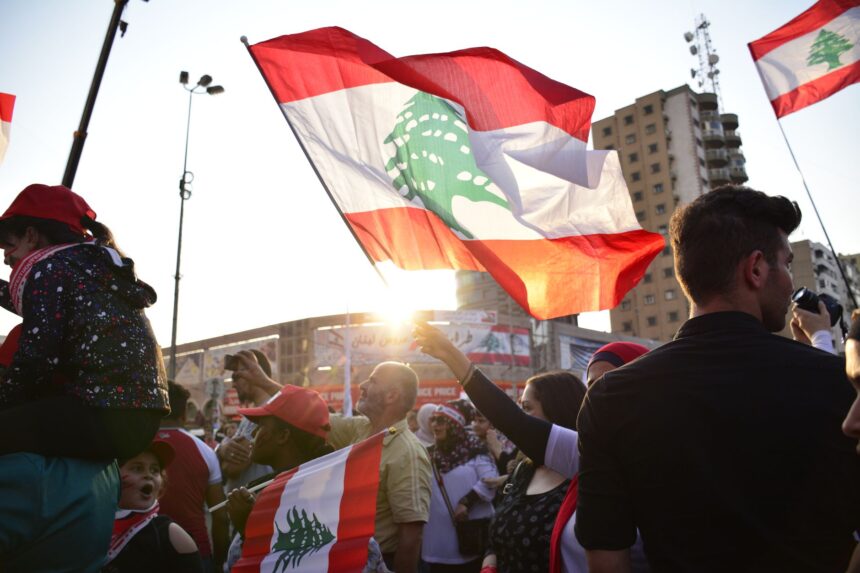
According to WHO emergency reports, multiple healthcare facilities across Lebanon are reportedly experiencing operational disruptions due to attacks and interference. The data reveals a concerning concentration of impact on the most vulnerable patient demographics: children facing critical risks, elderly populations experiencing severe care disruptions, and patients requiring emergency services encountering significant access limitations.
These statistics underscore the cascading consequences of healthcare facility attacks during conflict situations. When medical infrastructure becomes inaccessible or damaged, entire communities lose access to preventive care, emergency services, and chronic disease management. WHO documentation indicates that vulnerable populations—those with fewest alternative care options—bear disproportionate health burdens from these disruptions.
International humanitarian law mandates protection of healthcare infrastructure specifically to prevent such outcomes.
Was this article helpful?