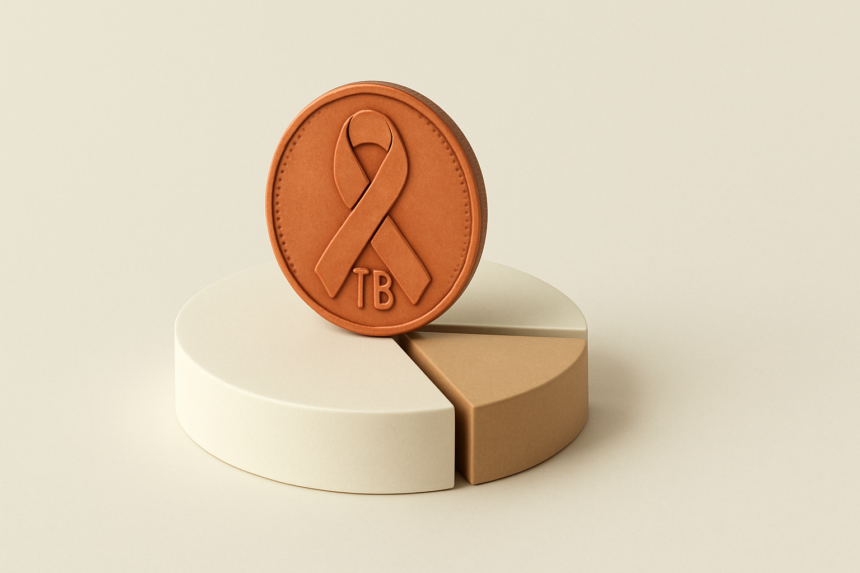
A comprehensive financial analysis reveals striking disparities in TB program self-financing capacity across income levels. Upper-middle income countries demonstrate the strongest position, with 92% capable of replacing donor funding through domestic resources. Lower-middle income nations follow at 68%, while low-income countries face significant barriers, with only 31% achieving comparable self-financing potential.
These figures, published in PLOS Global Public Health, underscore how economic capacity directly influences health system sustainability. The data challenge assumptions that all high-burden countries equally depend on external funding. For upper-middle and lower-middle income nations, the primary barrier is not fiscal capacity but rather prioritization and budget allocation strategies within existing health expenditures.
The persistent gap among low-income countries demands nuanced international response—not universal donor withdrawal, but differentiated support tailored to economic realities and system maturity.
Read the full article on GMJ Newsroom.

Was this article helpful?