By using this site, you agree to the Privacy Policy and Terms of Use.
Accept
GMJ NewsGMJ NewsGMJ News
  • Latest News
    • GMJ Briefs
  • Podcast & Media
    • Podcast Episodes
    • GMJ Audio
    • GMJ Videos
  • Research Digest
    • New Studies
    • Georgian Research
    • Data & Numbers
  • Policy & Systems
    • Health Policy
    • Quality & Safety
    • Migration & Health
    • Global Health
  • Practice
    • Clinical Updates
    • Case Discussions
    • Pharmacy & Prescribing
    • Ingredients A-Z
  • Perspectives
    • Editorial
    • Explainers
    • Voices
    • Letters
  • GMJ Articles
    • Vol. 1 Issue 2 (2026)
    • Vol. 1 Issue 1 (2026)
    • Pre-Launch Articles (2025)
  • Read the Journal →
  • About GMJ News
Notification Show More
Font ResizerAa
GMJ NewsGMJ News
Font ResizerAa
  • Latest News
    • GMJ Briefs
  • Podcast & Media
    • Podcast Episodes
    • GMJ Audio
    • GMJ Videos
  • Research Digest
    • New Studies
    • Georgian Research
    • Data & Numbers
  • Policy & Systems
    • Health Policy
    • Quality & Safety
    • Migration & Health
    • Global Health
  • Practice
    • Clinical Updates
    • Case Discussions
    • Pharmacy & Prescribing
    • Ingredients A-Z
  • Perspectives
    • Editorial
    • Explainers
    • Voices
    • Letters
  • GMJ Articles
    • Vol. 1 Issue 2 (2026)
    • Vol. 1 Issue 1 (2026)
    • Pre-Launch Articles (2025)
  • Read the Journal →
  • About GMJ News
Follow US
GMJ News > Practice > Clinical Updates > Breakthrough CAR T Therapy Enables Kidney Transplants for High-Antibody Patients
Clinical UpdatesNew StudiesPracticeResearch Digest

Breakthrough CAR T Therapy Enables Kidney Transplants for High-Antibody Patients

GMJ
Last updated: 04/06/2026 10:50
By
GMJ News Desk
Share
6 Min Read
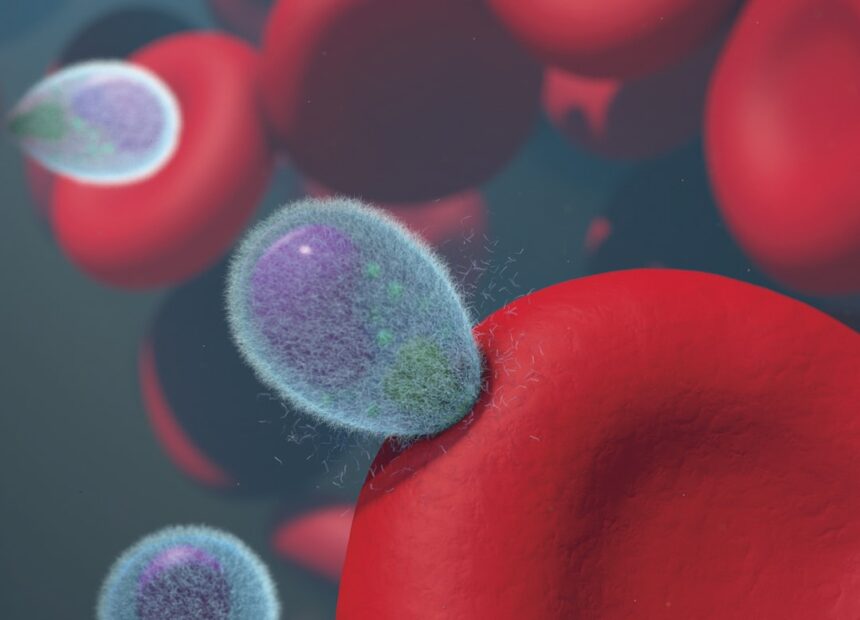
Medical illustration showing CAR T cells targeting antibodies in kidney transplant patient
Clinical trial demonstrates CAR T cell therapy can enable kidney transplants in highly sensitized patients previously considered untransplantable. Two patients successfully received transplants after experimental treatment. — Photo: National Institute of Allergy and Infectious Diseases / Pexels
SHARE
4 min read|771 words
✓ Editorially Reviewed by Prof. Giorgi Pkhakadze, MD, MPH, PhD — GMJ News Desk

🟡 Preliminary Evidence

Contents
    • Key takeaways
      • Study at a Glance
      • Donor Rejection Rates Before CAR T Treatment
  • Revolutionary Approach Targets Antibody-Producing Cells
  • Clinical Outcomes Show Promise for Transplant Success
  • Implications for Thousands of Waiting Patients
    • What this means
  • Frequently asked questions
    • What makes a patient “highly sensitized” for transplant?
    • How does CAR T therapy work in transplant medicine?
    • When will this treatment be widely available?

A pioneering clinical trial has successfully enabled two patients with end-stage kidney disease to receive kidney transplants despite having harmful antibodies that made them among the most difficult cases in the nation to match with compatible donors. The breakthrough approach uses CAR T-cell therapy, previously reserved for cancer treatment, to reduce antibody levels that typically prevent transplantation in highly sensitized patients.

Key takeaways

  • Two highly sensitized patients successfully received kidney transplants after CAR T-cell therapy reduced harmful antibodies
  • Patients had developed antibodies against 99.5% and 99.9% of potential donors, making them nearly impossible to match
  • The experimental treatment represents a potential solution for thousands of sensitized patients waiting for transplants

Study at a Glance

Source Clinical Trial Report
Study type Clinical trial
Sample size N = 2
Population Highly sensitized end-stage kidney disease patients
Country United States
99.5%
of potential donors rejected by one patient’s immune system before treatment

Donor Rejection Rates Before CAR T Treatment

Percentage of potential donors incompatible with highly sensitized patients

99.9%
Patient 2 rejection rate
99.5%
Patient 1 rejection rate
85%
Typical highly sensitized patient

Source: Clinical Trial Data, 2026 | Georgian Medical Journal News

Submit Your Paper
GMJ_Submit_Banner

Revolutionary Approach Targets Antibody-Producing Cells

The experimental treatment uses chimeric antigen receptor (CAR) T-cell therapy to target and eliminate B cells that produce harmful antibodies against donor tissue. According to the National Institutes of Health, this marks the first successful application of CAR T technology in solid organ transplantation.

🎙️ Related Podcast Episodes
🎧 #45 | GMJ Podcast | Tskaltubo Mineral Baths in Osteoarthritis — Microcirculation, Erythrocytes, and Clinical Effects · 18m

Highly sensitized patients develop antibodies against human leukocyte antigens (HLA) through previous transplants, blood transfusions, or pregnancies. These antibodies create an immunological barrier that makes finding compatible donors extremely difficult, leaving patients with limited options on transplant waiting lists.

Clinical Outcomes Show Promise for Transplant Success

Both patients in the trial successfully received kidney transplants after CAR T-cell therapy reduced their antibody levels sufficiently to accept previously incompatible donor organs. The treatment protocol involved extracting the patients’ T cells, genetically modifying them to target B cells, and reinfusing them to eliminate antibody-producing cells.

Post-transplant monitoring showed stable kidney function in both recipients, with standard immunosuppressive protocols maintaining organ viability. The research team, working with FDA oversight, documented no severe adverse events directly attributable to the CAR T therapy during the treatment period.

Implications for Thousands of Waiting Patients

The success of this pilot study offers hope for approximately 20% of kidney transplant candidates who are highly sensitized and face prolonged waiting times or may never receive a compatible organ. According to the Centers for Disease Control and Prevention, over 90,000 Americans are currently on kidney transplant waiting lists.

The treatment approach could potentially expand the donor pool for sensitized patients and reduce disparities in transplant access. Further clinical trials are needed to establish safety profiles, optimal dosing protocols, and long-term outcomes before the therapy can become standard care for transplant medicine.

CAR T-cell therapy successfully reduced antibody levels in two highly sensitized patients, enabling kidney transplantation in cases previously considered nearly impossible to match

— Clinical Trial Investigators, Multi-center Research Team (Medical Xpress, 2026)

What this means

For patients: Highly sensitized individuals waiting for kidney transplants may have new treatment options that could make them eligible for previously incompatible donor organs
For clinicians: CAR T-cell therapy protocols may need integration into transplant preparation workflows for sensitized patients, requiring coordination between oncology and transplant teams
For policymakers: Healthcare systems should prepare for potential increased demand for CAR T facilities and specialized training as this therapy expands beyond cancer treatment

Frequently asked questions

What makes a patient “highly sensitized” for transplant?

Patients become highly sensitized when they develop antibodies against human tissue markers (HLA antigens) through previous transplants, blood transfusions, or pregnancies. These antibodies cause immediate rejection of most donor organs, making compatible matches extremely rare.

How does CAR T therapy work in transplant medicine?

CAR T-cell therapy genetically modifies a patient’s immune cells to target and destroy B cells that produce harmful antibodies. This temporarily reduces antibody levels, allowing previously incompatible donor organs to be accepted without immediate rejection.

When will this treatment be widely available?

The therapy remains experimental and requires additional clinical trials to establish safety and efficacy. FDA approval for routine use in transplant medicine could take several years depending on trial results and regulatory review processes.

The successful application of CAR T-cell therapy in kidney transplantation represents a significant advancement in addressing one of transplant medicine’s most challenging problems. As research teams prepare larger clinical trials, this breakthrough could transform care for thousands of highly sensitized patients who currently face limited transplant options. The convergence of cancer immunotherapy and transplant medicine opens new possibilities for expanding organ access and improving patient outcomes in complex cases.

Source: New CAR T treatment opens door for patients in need of kidney transplant

Was this article helpful?

Related Coverage

New Oral AML Treatment Shows Promise for Older Patients in FDA TrialJun 7, 2026
Blood Protein Patterns Predict Early Diabetic Eye Damage Years Before SymptomsJun 6, 2026
Aging Brain Takes 50% Longer to Maintain Balance, New Neuroscience Study RevealsJun 6, 2026
AI Digital Twins Transform Heart Care, but Women's Health Data Gaps PersistJun 6, 2026
TAGGED:CAR-T therapyclinical trialimmunologykidney transplantsensitized patients
Share This Article
Facebook LinkedIn Bluesky Copy Link Print
Leave a Comment Leave a Comment

Leave a Reply Cancel reply

Your email address will not be published. Required fields are marked *

Submit Your Paper →

Georgia's peer-reviewed open-access medical journal. No APC until January 2027.
Submit Manuscript →
New Oral AML Treatment Shows Promise for Older Patients in FDA Trial

New oral drug combination for older AML patients shows effectiveness comparable to…

Amish Health Practices Challenge Modern Public Health Assumptions, Expert Analysis Shows

Expert analysis reveals growing recognition that Amish healthcare practices challenge traditional public…

Ultra-processed food researchers demand urgent policy reforms as health risks mount

Leading researchers studying ultra-processed foods demand sweeping policy changes, citing a "rigged…

Submit Your Paper to GMJ

No APC until January 2027.
Submit Manuscript →

You Might Also Like

Infographic showing key risk factors for child wasting in Ghana including diarrheal episodes and maternal education
New StudiesResearch Digest

Machine Learning Analysis Reveals Key Predictors of Child Wasting in Ghana

By
GMJ News Desk
31/05/2026
Chart comparing preclinical and clinical evidence for apigenin sleep and longevity effects
New StudiesResearch Digest

Apigenin Sleep and Longevity Claims Face Scientific Scrutiny

By
GMJ News Desk
24/05/2026
Scientific illustration showing zinc and copper interaction in intestinal cells with metallothionein protein
New StudiesResearch Digest

Zinc Supplements Above 50mg Deplete Copper Through Hidden Cellular Mechanism

By
GMJ News Desk
27/05/2026
Medical illustration showing DNA helix with cancer risk assessment data for pediatric genetic testing
New StudiesResearch Digest

Genetic testing reveals elevated cancer risk in 18% of pediatric patients with hereditary variants

By
GMJ News Desk
30/05/2026
Facebook Twitter Youtube Instagram
Company
  • Privacy Policy
  • Contact US
  • GMJ Journal
  • Submit Manuscript
  • Editorial Team
  • Register at GMJ
  • Terms of Use

Subscribe to GMJ News — Click here

Join Community
© 2026 Georgian Medical Journal (GMJ). Published by the Public Health Institute of Georgia (PHIG). All rights reserved.
Welcome Back!

Sign in to your account

Username or Email Address
Password

Lost your password?

Not a member? Sign Up