By using this site, you agree to the Privacy Policy and Terms of Use.
Accept
GMJ NewsGMJ NewsGMJ News
  • Latest News
    • GMJ Briefs
  • Podcast & Media
    • Podcast Episodes
    • GMJ Audio
    • GMJ Videos
  • Research Digest
    • New Studies
    • Georgian Research
    • Data & Numbers
  • Policy & Systems
    • Health Policy
    • Quality & Safety
    • Migration & Health
    • Global Health
  • Practice
    • Clinical Updates
    • Case Discussions
    • Pharmacy & Prescribing
    • Ingredients A-Z
  • Perspectives
    • Editorial
    • Explainers
    • Voices
    • Letters
  • GMJ Articles
    • Vol. 1 Issue 2 (2026)
    • Vol. 1 Issue 1 (2026)
    • Pre-Launch Articles (2025)
  • Read the Journal →
  • About GMJ News
Notification Show More
Font ResizerAa
GMJ NewsGMJ News
Font ResizerAa
  • Latest News
    • GMJ Briefs
  • Podcast & Media
    • Podcast Episodes
    • GMJ Audio
    • GMJ Videos
  • Research Digest
    • New Studies
    • Georgian Research
    • Data & Numbers
  • Policy & Systems
    • Health Policy
    • Quality & Safety
    • Migration & Health
    • Global Health
  • Practice
    • Clinical Updates
    • Case Discussions
    • Pharmacy & Prescribing
    • Ingredients A-Z
  • Perspectives
    • Editorial
    • Explainers
    • Voices
    • Letters
  • GMJ Articles
    • Vol. 1 Issue 2 (2026)
    • Vol. 1 Issue 1 (2026)
    • Pre-Launch Articles (2025)
  • Read the Journal →
  • About GMJ News
Follow US
GMJ News > Practice > Clinical Updates > New Oral AML Treatment Shows Promise for Older Patients in FDA Trial
Clinical UpdatesNew StudiesPracticeResearch Digest

New Oral AML Treatment Shows Promise for Older Patients in FDA Trial

GMJ
Last updated: 04/06/2026 10:50
By
GMJ News Desk
Share
6 Min Read
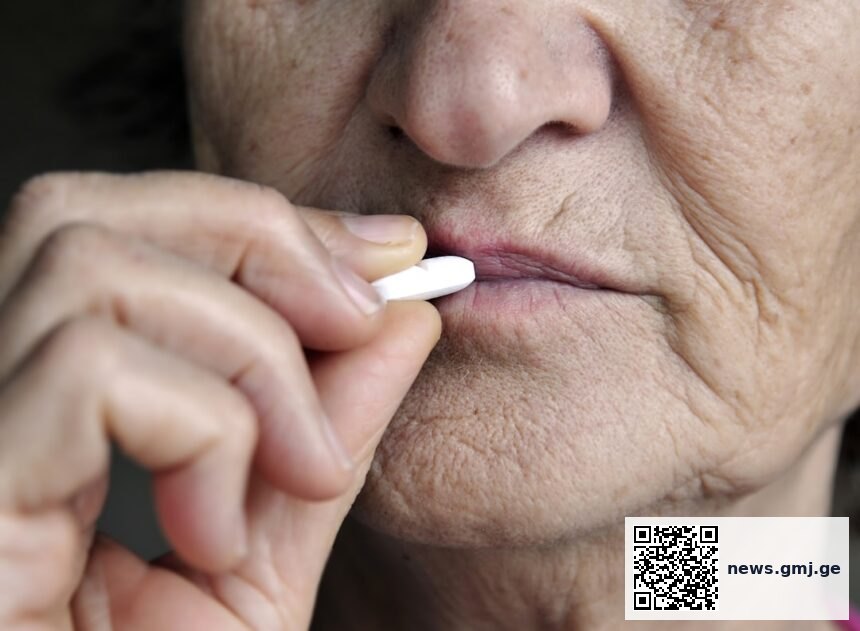
Elderly cancer patient taking oral medication at home instead of receiving IV treatment
New oral drug combination for older AML patients shows effectiveness comparable to IV therapy, potentially eliminating monthly hospital visits. ASCERTAIN V trial demonstrates strong response rates with two-pill regimen. — Photo: Gizem Nikomedi / Pexels
SHARE
4 min read|768 words
✓ Editorially Reviewed by Prof. Giorgi Pkhakadze, MD, MPH, PhD — GMJ News Desk

🟠 Moderate Evidence

Contents
    • Key takeaways
      • Study at a Glance
      • AML Treatment Burden Comparison
  • Breakthrough for Elderly Cancer Patients
  • Clinical Trial Results Show Promise
  • Implications for Cancer Care Delivery
    • What this means
  • Frequently asked questions
    • How effective is the new oral AML treatment compared to IV therapy?
    • Which patients would be eligible for this oral treatment?
    • When might this oral treatment become available to patients?

A new all-oral drug combination for older patients with acute myeloid leukemia (AML) has demonstrated effectiveness comparable to current intravenous treatments, potentially eliminating the need for monthly hospital visits. The ASCERTAIN V clinical trial showed that combining two oral medications—decitabine-cedazuridine and venetoclax—achieved strong response rates in elderly AML patients who typically struggle with intensive treatment regimens.

Key takeaways

  • All-oral AML treatment combination shows effectiveness comparable to IV therapy in Phase I/II trial
  • Older patients could avoid monthly hospital visits for intravenous treatments
  • Trial led by major US cancer centers demonstrates strong response rates and survival outcomes

Study at a Glance

Source ASCERTAIN V Trial
Study type Phase I/Phase II Clinical Trial
Sample size Older AML patients
Population Elderly patients with acute myeloid leukemia
Country International (US-led)
2 pills
oral medications replacing IV infusions for AML treatment

AML Treatment Burden Comparison

Current IV therapy vs. new oral combination for older patients

Monthly
Hospital visits (current)
2
Oral pills (new option)
Home
Treatment location

Source: ASCERTAIN V Trial, 2026 | Georgian Medical Journal News

Submit Your Paper
GMJ_Submit_Banner

Breakthrough for Elderly Cancer Patients

The ASCERTAIN V trial, led by researchers at Weill Cornell Medicine, NewYork-Presbyterian, Yale University and MD Anderson Cancer Center, represents a significant advance in AML treatment for older adults. Current standard therapy requires patients to travel repeatedly to medical facilities for intravenous drug administration, creating substantial burden for elderly individuals who may have mobility limitations or live far from treatment centers.

🎙️ Related Podcast Episodes
🎧 #45 | GMJ Podcast | Tskaltubo Mineral Baths in Osteoarthritis — Microcirculation, Erythrocytes, and Clinical Effects · 18m
🎧 #40 | GMJ Podcast | [Insert Article Title] — Evidence, Clinical Implications, and Public Health Perspective · 16m
🎧 #31 | GMJ Podcast | Daily Multivitamins and Biological Ageing — COSMOS Trial · 21m
🎧 #21 | WHO Issues New Guidance on Novel Snakebite Treatments · 14m
🎧 #15 | WHO: One in Two People Facing Cataract Blindness Still Need Access to Surgery · 21m

The oral combination therapy consists of decitabine-cedazuridine, which delivers the same active ingredient as IV decitabine but in pill form, paired with venetoclax, an established oral cancer medication. This approach could transform care delivery for a vulnerable patient population that often struggles with the physical demands of frequent medical visits.

Clinical Trial Results Show Promise

The international Phase I/Phase II trial demonstrated that the all-oral regimen achieved response rates and survival outcomes comparable to current intravenous treatments, according to the research team. AML primarily affects older adults, with a median age at diagnosis of approximately 68 years, making treatment accessibility a critical concern for this population.

Patients in the study took the oral medication combination at home, eliminating the need for repeated IV infusions that typically require several hours at a medical facility. The National Cancer Institute notes that AML treatment burden is particularly challenging for elderly patients, who may have multiple comorbidities and limited support systems.

Implications for Cancer Care Delivery

The oral treatment approach addresses longstanding challenges in AML care, particularly for patients in rural areas or those with limited transportation options. Traditional IV-based hypomethylating agent therapy requires regular medical facility visits, creating barriers to consistent treatment adherence among elderly patients.

Researchers from the multi-institutional team noted that the convenience factor could significantly improve quality of life while maintaining therapeutic effectiveness. The study builds on previous research showing that oral formulations of cancer drugs can achieve similar bioavailability to IV preparations when properly formulated.

The all-oral drug combination for older AML patients demonstrated effectiveness comparable to current IV treatments while eliminating monthly hospital visits

— ASCERTAIN V Trial investigators, Multi-institutional research team (Clinical trial results, 2026)

What this means

For patients: Older AML patients may soon have access to effective treatment they can take at home, reducing travel burden and improving quality of life during therapy
For clinicians: Oral AML therapy could simplify treatment monitoring and reduce clinic capacity constraints while maintaining therapeutic outcomes in elderly patients
For policymakers: Home-based oral therapy could reduce healthcare system costs and improve treatment access for underserved populations with transportation barriers

Frequently asked questions

How effective is the new oral AML treatment compared to IV therapy?

The ASCERTAIN V trial showed that the oral combination achieved response rates and survival outcomes comparable to current intravenous treatments. The two-pill regimen of decitabine-cedazuridine and venetoclax demonstrated strong clinical effectiveness in older patients.

Which patients would be eligible for this oral treatment?

The treatment was studied specifically in older patients with acute myeloid leukemia, who typically face challenges with intensive treatment regimens. Final eligibility criteria will depend on FDA approval and clinical guidelines.

When might this oral treatment become available to patients?

The treatment is currently in clinical trials, with the ASCERTAIN V study providing Phase I/II evidence. Availability will depend on completion of further studies and regulatory approval processes.

The success of oral AML therapy in elderly patients could herald a broader shift toward home-based cancer treatment, particularly for populations where treatment burden significantly impacts quality of life. As healthcare systems increasingly focus on patient-centered care delivery, convenient oral formulations that maintain therapeutic effectiveness represent an important advance in oncology practice.

Source: FDA-approved oral AML therapy could let older patients avoid monthly infusion visits

Was this article helpful?

Related Coverage

Breakthrough CAR T Therapy Enables Kidney Transplants for High-Antibody PatientsJun 7, 2026
Blood Protein Patterns Predict Early Diabetic Eye Damage Years Before SymptomsJun 6, 2026
Aging Brain Takes 50% Longer to Maintain Balance, New Neuroscience Study RevealsJun 6, 2026
AI Digital Twins Transform Heart Care, but Women's Health Data Gaps PersistJun 6, 2026
TAGGED:AML treatmentclinical trialselderly patientsleukemiaoral cancer therapy
Share This Article
Facebook LinkedIn Bluesky Copy Link Print
Leave a Comment Leave a Comment

Leave a Reply Cancel reply

Your email address will not be published. Required fields are marked *

Submit Your Paper →

Georgia's peer-reviewed open-access medical journal. No APC until January 2027.
Submit Manuscript →
Breakthrough CAR T Therapy Enables Kidney Transplants for High-Antibody Patients

Breakthrough CAR T-cell therapy enables two highly sensitized kidney patients to receive…

Amish Health Practices Challenge Modern Public Health Assumptions, Expert Analysis Shows

Expert analysis reveals growing recognition that Amish healthcare practices challenge traditional public…

Ultra-processed food researchers demand urgent policy reforms as health risks mount

Leading researchers studying ultra-processed foods demand sweeping policy changes, citing a "rigged…

Submit Your Paper to GMJ

No APC until January 2027.
Submit Manuscript →

You Might Also Like

Comparison chart showing liver and muscle glycogen recovery rates after exercise
New StudiesResearch Digest

Study shows liver recovers from exercise in 6 hours, muscles need 24 hours

By
GMJ News Desk
22/05/2026
Medical illustration showing targeted cancer therapy attacking tumor cells
Clinical UpdatesNew StudiesPracticeResearch Digest

New Drug Daraxonrasib Nearly Doubles Pancreatic Cancer Survival in Phase 3 Trial

By
GMJ News Desk
03/06/2026
Healthcare cost reduction chart showing potential savings from medically tailored meal interventions
Clinical UpdatesNew StudiesPracticeResearch Digest

Medically Tailored Meals Show Promise in Reducing Healthcare Costs, Nature Medicine Reports

By
GMJ News Desk
06/06/2026
Parent speaking to baby using parentese communication style
New StudiesResearch Digest

Baby Talk Actually Accelerates Language Learning in Infants, Study Reveals

By
GMJ News Desk
27/05/2026
Facebook Twitter Youtube Instagram
Company
  • Privacy Policy
  • Contact US
  • GMJ Journal
  • Submit Manuscript
  • Editorial Team
  • Register at GMJ
  • Terms of Use

Subscribe to GMJ News — Click here

Join Community
© 2026 Georgian Medical Journal (GMJ). Published by the Public Health Institute of Georgia (PHIG). All rights reserved.
Welcome Back!

Sign in to your account

Username or Email Address
Password

Lost your password?

Not a member? Sign Up