By using this site, you agree to the Privacy Policy and Terms of Use.
Accept
GMJ NewsGMJ NewsGMJ News
  • Latest News
    • GMJ Briefs
  • Podcast & Media
    • Podcast Episodes
    • GMJ Audio
    • GMJ Videos
  • Research Digest
    • New Studies
    • Georgian Research
    • Data & Numbers
  • Policy & Systems
    • Health Policy
    • Quality & Safety
    • Migration & Health
    • Global Health
  • Practice
    • Clinical Updates
    • Case Discussions
    • Pharmacy & Prescribing
    • Ingredients A-Z
  • Perspectives
    • Editorial
    • Explainers
    • Voices
    • Letters
  • GMJ Articles
    • Vol. 1 Issue 2 (2026)
    • Vol. 1 Issue 1 (2026)
    • Pre-Launch Articles (2025)
  • Read the Journal →
  • About GMJ News
Notification Show More
Font ResizerAa
GMJ NewsGMJ News
Font ResizerAa
  • Latest News
    • GMJ Briefs
  • Podcast & Media
    • Podcast Episodes
    • GMJ Audio
    • GMJ Videos
  • Research Digest
    • New Studies
    • Georgian Research
    • Data & Numbers
  • Policy & Systems
    • Health Policy
    • Quality & Safety
    • Migration & Health
    • Global Health
  • Practice
    • Clinical Updates
    • Case Discussions
    • Pharmacy & Prescribing
    • Ingredients A-Z
  • Perspectives
    • Editorial
    • Explainers
    • Voices
    • Letters
  • GMJ Articles
    • Vol. 1 Issue 2 (2026)
    • Vol. 1 Issue 1 (2026)
    • Pre-Launch Articles (2025)
  • Read the Journal →
  • About GMJ News
Follow US
GMJ News > Practice > Clinical Updates > Spinal Cord Stimulation Shows Promise for Stroke Recovery in Small Trial
Clinical UpdatesNew StudiesPracticeResearch Digest

Spinal Cord Stimulation Shows Promise for Stroke Recovery in Small Trial

GMJ
Last updated: 12/06/2026 02:41
By
GMJ Practice Desk
Share
7 Min Read
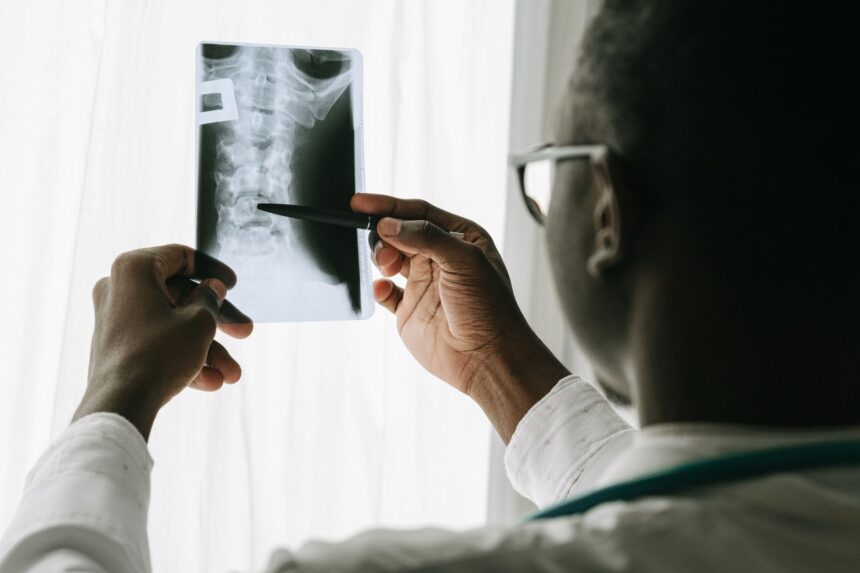
Medical illustration showing spinal cord stimulation electrode placement for stroke recoveryPhoto by Ivan S on Pexels (Pexels License)
Small clinical trial shows epidural spinal cord stimulation safely improved arm function in seven chronic stroke patients. Larger studies needed to confirm effectiveness before clinical use. — Photo by Ivan S on Pexels (Pexels License)
SHARE
5 min read|935 words
✓ Medically reviewed by Prof. Giorgi Pkhakadze, MD, MPH, PhD · ORCID 0000-0001-7609-4515

🟠 Moderate Evidence

Contents
    • Key takeaways
      • Study at a Glance
      • Stroke-Related Disability Affects Millions Globally
  • Breakthrough Technology Targets Spinal Circuits
  • Clinical Outcomes Show Functional Gains
  • Safety Profile Supports Larger Studies
  • Path to Clinical Translation
    • What this means
  • Frequently asked questions
    • How does spinal cord stimulation work for stroke recovery?
    • Is spinal cord stimulation safe for stroke patients?
    • When might this treatment become widely available?

A small clinical trial has demonstrated that epidural stimulation of the cervical spinal cord can safely improve arm function in people with chronic stroke-related paralysis, according to research published in Nature Medicine. The study involving seven participants showed improvements in strength, function, and spasticity for individuals with arm hemiparesis following stroke. While promising, the findings require validation in larger randomised controlled trials before clinical implementation.

Key takeaways

  • Epidural cervical spinal cord stimulation safely improved arm function in seven chronic stroke patients
  • Participants showed measurable improvements in strength, function, and reduced spasticity
  • The feasibility trial establishes safety parameters for larger randomised controlled studies

Study at a Glance

Source Nature Medicine
Study type Feasibility clinical trial
Sample size N = 7
Population Adults with chronic post-stroke arm hemiparesis
Country Not specified
7 patients
demonstrated safe improvement in arm function with spinal cord stimulation

Stroke-Related Disability Affects Millions Globally

Key populations affected by post-stroke motor impairment

101m
stroke survivors globally
80%
experience motor deficits
30%
have persistent arm weakness

Source: WHO Global Health Observatory, 2024 | Georgian Medical Journal News

Submit Your Paper
GMJ_Submit_Banner

Breakthrough Technology Targets Spinal Circuits

The research team implanted electrodes directly onto the surface of the spinal cord at cervical levels, targeting neural circuits that control arm and hand movement. This epidural stimulation approach differs from previous brain-based interventions by activating preserved spinal networks below the stroke lesion. The World Health Organization estimates that 15 million people suffer strokes annually, with many experiencing long-term motor disabilities.

🎙️ Related Podcast Episodes
🎧 #31 | GMJ Podcast | Daily Multivitamins and Biological Ageing — COSMOS Trial · 21m

All seven participants in the study had chronic hemiparesis, meaning their arm weakness had persisted for months to years after their initial stroke. The intervention demonstrated improvements across multiple outcome measures, including grip strength, arm function scores, and reduced muscle spasticity. Safety monitoring throughout the trial period showed no serious adverse events related to the stimulation protocol.

Clinical Outcomes Show Functional Gains

Participants underwent comprehensive motor assessments before and after the stimulation intervention. The study measured changes in the Fugl-Meyer Assessment for upper extremity function, a validated clinical scale used to evaluate motor recovery after stroke. Additional measurements included grip strength testing and spasticity evaluations using standardised clinical protocols published in leading neurological research.

The trial’s design included baseline measurements, stimulation training sessions, and follow-up assessments to track durability of improvements. Researchers documented both immediate effects during stimulation and any lasting changes in motor function after treatment sessions. The stimulation parameters were individually optimised for each participant based on their specific pattern of motor impairment and spinal cord anatomy.

Safety Profile Supports Larger Studies

The feasibility trial’s primary objective was establishing safety parameters for epidural cervical stimulation in stroke survivors. All surgical implantations were completed without complications, and participants tolerated the stimulation well throughout the study period. Monitoring protocols included regular neurological examinations, imaging studies, and assessment of electrode positioning, according to FDA guidance for implantable neurostimulation devices.

The research team documented detailed protocols for electrode placement, stimulation parameters, and safety monitoring that can be replicated in future trials. This standardisation is crucial for advancing the field toward larger randomised controlled studies needed for regulatory approval. The safety profile observed in this small cohort provides confidence for expanding to multi-centre trials with broader patient populations.

Path to Clinical Translation

While these initial results are encouraging, significant steps remain before spinal cord stimulation becomes a standard treatment for post-stroke motor recovery. The small sample size limits generalisability, and the lack of a control group prevents definitive conclusions about efficacy compared to standard rehabilitation approaches. Future studies will need to include sham stimulation controls and larger, more diverse patient populations to establish clinical efficacy.

Regulatory pathways for approval will require demonstration of both safety and efficacy in properly powered randomised controlled trials. The research published in peer-reviewed journals suggests that combining spinal stimulation with intensive rehabilitation may optimise outcomes. Cost-effectiveness analyses and long-term follow-up data will also be essential for healthcare system adoption and insurance coverage decisions.

Epidural cervical spinal cord stimulation safely improved strength, function and spasticity in seven people with chronic post-stroke arm hemiparesis, establishing feasibility for larger controlled trials.

— Research team, Nature Medicine (2026)

What this means

For patients: A potential new treatment option may become available for chronic stroke-related arm weakness, though larger trials are needed to confirm effectiveness
For clinicians: Early evidence supports investigating spinal stimulation as an adjunct to rehabilitation in carefully selected stroke patients with persistent motor deficits
For policymakers: Investment in neurostimulation research infrastructure may accelerate development of innovative treatments for stroke rehabilitation

Frequently asked questions

How does spinal cord stimulation work for stroke recovery?

The technique uses electrodes placed on the spinal cord surface to activate neural circuits below the stroke lesion. This can help bypass damaged brain pathways and enhance remaining motor connections to improve arm and hand function.

Is spinal cord stimulation safe for stroke patients?

The feasibility trial showed no serious adverse events in seven participants. However, as with any surgical implant procedure, risks include infection, bleeding, and device malfunction that require careful patient selection and monitoring.

When might this treatment become widely available?

Larger randomised controlled trials are needed before regulatory approval. If successful, clinical availability would likely require several more years of research, safety studies, and regulatory review processes.

This feasibility study represents an important step toward developing novel neurostimulation approaches for stroke rehabilitation. The positive safety profile and preliminary efficacy signals support advancing to larger randomised controlled trials that will definitively establish whether spinal cord stimulation can become a valuable addition to current stroke recovery treatments. Success in future studies could offer new hope for the millions of stroke survivors worldwide living with persistent motor disabilities.

Source: Spinal cord stimulation for upper limb motor function in people with chronic post-stroke hemiparesis: a feasibility trial

Was this article helpful?

Disclaimer. This article is health journalism intended for general information and education. It is not medical advice and is not a substitute for professional diagnosis or treatment. Always consult a qualified healthcare provider about your individual circumstances. Full disclaimer →

Related Coverage

Oral GLP-1 Drug Achieves 11.3% Weight Loss in Phase 2 TrialJun 13, 2026
AI-Enhanced Scans and Immune-Targeting Drugs Transform Heart Inflammation DetectionJun 13, 2026
Multi-cancer blood tests identify missed cancers in 20% of symptomatic patients, Lancet study findsJun 12, 2026
Eric Edwards, Pioneer of UK Kidney Transplantation, DiesJun 12, 2026
Related reference
  • Stroke · Condition
PG
Written by
Prof. Giorgi Pkhakadze, MD, MPH, PhD
Editor-in-Chief, GMJ News
Full profile →
Medical disclaimer. This article is health journalism intended for general information. It is not medical advice and is not a substitute for consultation with a qualified healthcare professional. Always seek your physician's advice regarding any medical condition.
Medically reviewed by Prof. Giorgi Pkhakadze, MD, MPH, PhD. Spotted an error? Contact the editorial team.
Get the GMJ News digest
Evidence-based health journalism in your inbox. No spam; unsubscribe anytime.
TAGGED:hemiparesismotor rehabilitationneurostimulationspinal cord stimulationstroke recovery
Share This Article
Facebook LinkedIn Bluesky Copy Link Print
GMJ
ByGMJ Practice Desk
Follow:
GMJ Practice Desk is part of GMJ News, the newsroom of the Georgian Medical Journal (gmj.ge), published by the Public Health Institute of Georgia. Every article is editorially reviewed before publication.
Leave a Comment Leave a Comment

Leave a Reply Cancel reply

Your email address will not be published. Required fields are marked *

Submit Your Paper →

Georgia's peer-reviewed open-access medical journal. No APC until January 2027.
Submit Manuscript →
Oral GLP-1 Drug Achieves 11.3% Weight Loss in Phase 2 Trial

Phase 2b trial shows oral GLP-1 drug aleniglipron achieved 11.3% weight loss…

AI-Enhanced Scans and Immune-Targeting Drugs Transform Heart Inflammation Detection

AI-enhanced imaging and immune-targeting drugs are revolutionizing cardiac inflammation detection and treatment.…

Multi-cancer blood tests identify missed cancers in 20% of symptomatic patients, Lancet study finds

New blood test technology could help identify one in five cancers that…

Submit Your Paper to GMJ

No APC until January 2027.
Submit Manuscript →

You Might Also Like

Diagram showing inflammatory reflex pathway from brain through vagus nerve to spleen and immune response
New StudiesResearch Digest

Brain-Immune Connection: How the Inflammatory Reflex Controls Disease

By
GMJ Research Desk
22/05/2026
Vitamin D supplement bottles showing different dosage amounts
New StudiesResearch Digest

Why Your Vitamin D Dose May Be Wrong: New Research Reveals Flawed Shelf-Based Selection

By
GMJ Research Desk
27/05/2026
Medical illustration showing targeted therapy attacking lung cancer cells with EGFR mutations
New StudiesResearch Digest

Breakthrough Drug Shows 75% Response Rate in Hard-to-Treat Lung Cancer

By
GMJ Research Desk
10/06/2026
Scientific illustration showing multiple treatment pathways being tested simultaneously in platform trials
Clinical UpdatesPractice

Multi-arm platform trials could revolutionize neurological disease research

By
GMJ Practice Desk
31/05/2026
Facebook Twitter Youtube Instagram
Company
  • Privacy Policy
  • Contact US
  • GMJ Journal
  • Submit Manuscript
  • Editorial Team
  • Register at GMJ
  • Terms of Use

Subscribe to GMJ News — Click here

Join Community
© 2026 Georgian Medical Journal (GMJ). Published by the Public Health Institute of Georgia (PHIG). All rights reserved.
Welcome Back!

Sign in to your account

Username or Email Address
Password

Lost your password?

Not a member? Sign Up