By using this site, you agree to the Privacy Policy and Terms of Use.
Accept
GMJ NewsGMJ NewsGMJ News
  • Latest News
    • GMJ Briefs
  • Podcast & Media
    • Podcast Episodes
    • GMJ Audio
    • GMJ Videos
  • Research Digest
    • New Studies
    • Georgian Research
    • Data & Numbers
  • Policy & Systems
    • Health Policy
    • Quality & Safety
    • Migration & Health
    • Global Health
  • Practice
    • Clinical Updates
    • Case Discussions
    • Pharmacy & Prescribing
    • Ingredients A-Z
  • Perspectives
    • Editorial
    • Explainers
    • Voices
    • Letters
  • GMJ Articles
    • Vol. 1 Issue 2 (2026)
    • Vol. 1 Issue 1 (2026)
    • Pre-Launch Articles (2025)
  • Read the Journal →
  • About GMJ News
Notification Show More
Font ResizerAa
GMJ NewsGMJ News
Font ResizerAa
  • Latest News
    • GMJ Briefs
  • Podcast & Media
    • Podcast Episodes
    • GMJ Audio
    • GMJ Videos
  • Research Digest
    • New Studies
    • Georgian Research
    • Data & Numbers
  • Policy & Systems
    • Health Policy
    • Quality & Safety
    • Migration & Health
    • Global Health
  • Practice
    • Clinical Updates
    • Case Discussions
    • Pharmacy & Prescribing
    • Ingredients A-Z
  • Perspectives
    • Editorial
    • Explainers
    • Voices
    • Letters
  • GMJ Articles
    • Vol. 1 Issue 2 (2026)
    • Vol. 1 Issue 1 (2026)
    • Pre-Launch Articles (2025)
  • Read the Journal →
  • About GMJ News
Follow US
GMJ News > GMJ Briefs > What Cardiologists Need to Know: Practical Guidance on Abiomed Catheter Safety

What Cardiologists Need to Know: Practical Guidance on Abiomed Catheter Safety

GMJ
Last updated: 05/07/2026 20:51
By
Prof. Giorgi Pkhakadze
Share
1 Min Read
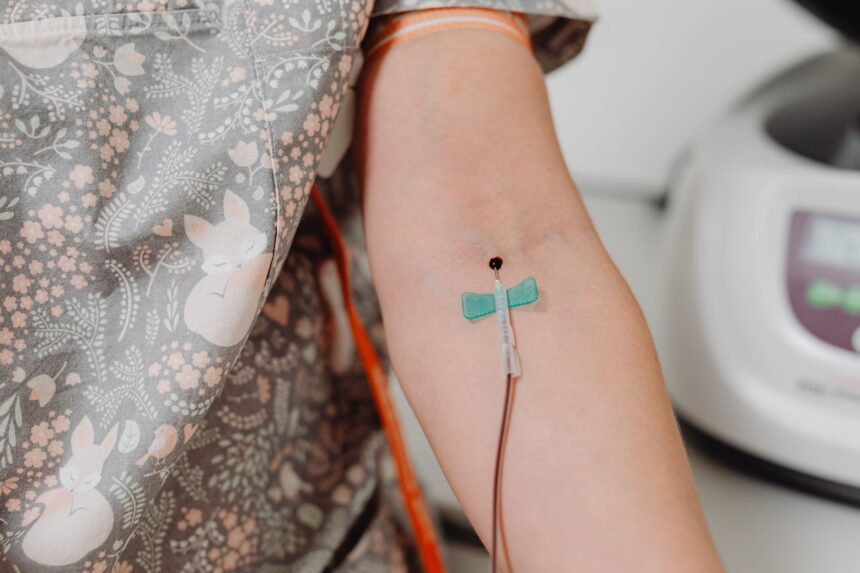
Medical catheter device with FDA safety warning symbol
FDA warns that prolonged use of Abiomed 14Fr Low Profile Introducer catheter may cause blood clot formation. Healthcare providers advised to enhance monitoring protocols. — Photo: www.kaboompics.com / Pexels
SHARE
1 min read|116 words

The FDA’s safety alert on the Abiomed 14Fr Low Profile Introducer catheter carries three critical implications for clinical practice. First, prolonged catheterization significantly elevates blood clot formation risk, requiring careful duration assessment for each patient. Second, healthcare teams must now implement strengthened monitoring protocols to detect early signs of thrombosis before serious complications develop. Third, clinicians should actively evaluate alternative vascular access methods when extended procedures are anticipated. These practical recommendations empower cardiac teams to optimize patient outcomes by proactively managing thrombotic risk. Implementing these measures requires coordination between interventional cardiologists, nursing staff, and institutional protocols. By adopting these evidence-based practices, healthcare facilities can maintain the therapeutic benefits of mechanical circulatory support while minimizing adverse events.

Was this article helpful?

GMJ Brief · Takeaway

📰 Read the full article: FDA Issues Early Alert for Abiomed Catheter Kit Linked to Blood Clot Formation →

Share This Article
Facebook LinkedIn Bluesky Copy Link Print
GMJ
ByProf. Giorgi Pkhakadze
Follow:
Prof. Giorgi Pkhakadze, MD, MPH, PhD, is Editor-in-Chief of the Georgian Medical Journal and Chair of the Public Health Institute of Georgia (PHIG). He is Professor and Head of the Department of Social and Behavioural Sciences at David Tvildiani Medical University, and Secretary/Treasurer of the UEMS Section of Public Health. ORCID: 0000-0001-7609-4515.

Submit Your Paper →

Georgia's peer-reviewed open-access medical journal. No APC until January 2027.
Submit Manuscript →
Orforglipron Shows Clinically Significant HbA1c Reductions in Type 2 Diabetes

Two phase III randomised controlled trials presented at the American Diabetes Association…

Plasma protein signatures reveal how individual cell types age and predict disease risk

Plasma proteomics can measure biological aging independently in 40+ cell types, with…

Bidi Smoking Linked to Elevated Cancer Risk in Large Indian Study

A multicentre case-control study in India links bidi smoking—hand-rolled cigarettes common in…

Submit Your Paper to GMJ

No APC until January 2027.
Submit Manuscript →

You Might Also Like

EBOLA OUTBREAK CLUSTER ALERT – DRC/UGANDA CROSS-BORDER TRANSMISSION CONFIRMED

By
Prof. Giorgi Pkhakadze
31/05/2026
Medical catheter device with FDA safety warning symbol

New FDA Data Highlights Thrombus Risk with Extended Abiomed Catheter Use

By
Prof. Giorgi Pkhakadze
19/06/2026
Global HealthPolicy & Systems

Ebola Outbreak Response Underway in DRC and Uganda as CDC Coordinates Multi-Country Operations

By
Prof. Giorgi Pkhakadze
26/05/2026
Medical illustration showing targeted cancer therapy attacking tumor cells

Daraxonrasib Marks a Turning Point in Pancreatic Cancer Treatment

By
Prof. Giorgi Pkhakadze
10/06/2026
Facebook Twitter Youtube Instagram
Company
  • Privacy Policy
  • Contact US
  • GMJ Journal
  • Submit Manuscript
  • Editorial Team
  • Register at GMJ
  • Terms of Use

Subscribe to GMJ News — Click here

Join Community
© 2026 Georgian Medical Journal (GMJ). Published by the Public Health Institute of Georgia (PHIG). All rights reserved.
Welcome Back!

Sign in to your account

Username or Email Address
Password

Lost your password?

Not a member? Sign Up