By using this site, you agree to the Privacy Policy and Terms of Use.
Accept
GMJ NewsGMJ NewsGMJ News
  • Latest News
    • GMJ Briefs
  • Podcast & Media
    • Podcast Episodes
    • GMJ Audio
    • GMJ Videos
  • Research Digest
    • New Studies
    • Georgian Research
    • Data & Numbers
  • Policy & Systems
    • Health Policy
    • Quality & Safety
    • Migration & Health
    • Global Health
  • Practice
    • Clinical Updates
    • Case Discussions
    • Pharmacy & Prescribing
    • Ingredients A-Z
  • Perspectives
    • Editorial
    • Explainers
    • Voices
    • Letters
  • GMJ Articles
    • Vol. 1 Issue 2 (2026)
    • Vol. 1 Issue 1 (2026)
    • Pre-Launch Articles (2025)
  • Read the Journal →
  • About GMJ News
Notification Show More
Font ResizerAa
GMJ NewsGMJ News
Font ResizerAa
  • Latest News
    • GMJ Briefs
  • Podcast & Media
    • Podcast Episodes
    • GMJ Audio
    • GMJ Videos
  • Research Digest
    • New Studies
    • Georgian Research
    • Data & Numbers
  • Policy & Systems
    • Health Policy
    • Quality & Safety
    • Migration & Health
    • Global Health
  • Practice
    • Clinical Updates
    • Case Discussions
    • Pharmacy & Prescribing
    • Ingredients A-Z
  • Perspectives
    • Editorial
    • Explainers
    • Voices
    • Letters
  • GMJ Articles
    • Vol. 1 Issue 2 (2026)
    • Vol. 1 Issue 1 (2026)
    • Pre-Launch Articles (2025)
  • Read the Journal →
  • About GMJ News
Follow US
GMJ News > GMJ Briefs > Early Gut Bacteria May Offer Protection Against Autism and ADHD, New Research Suggests

Early Gut Bacteria May Offer Protection Against Autism and ADHD, New Research Suggests

GMJ
Last updated: 13/06/2026 10:51
By
Prof. Giorgi Pkhakadze
Share
1 Min Read
Scientific illustration showing gut bacteria and brain connection in infant development
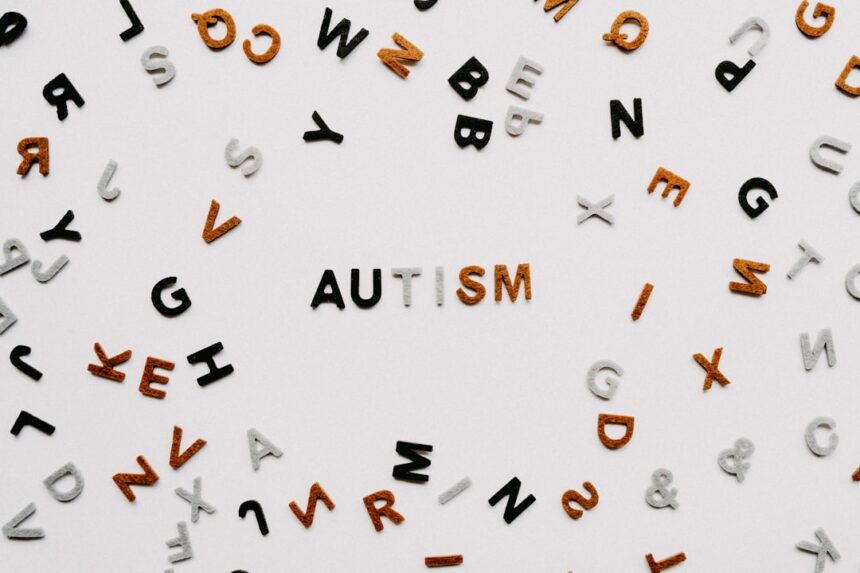
New research reveals that gut bacteria present at birth may influence autism and ADHD risk, with epigenetic changes guiding microbiome development during the critical first year of life. Certain bacterial combinations appear to protect against neurodevelopmental symptoms by age three. — Photo: Annie Spratt / Pexels
SHARE
1 min read|117 words

A landmark longitudinal study has unveiled a compelling connection between gut bacteria established at birth and reduced risk of autism spectrum disorder and attention deficit hyperactivity disorder in early childhood. Researchers discovered that epigenetic modifications present at birth serve as a biological blueprint, guiding how the infant gut microbiome develops during the critical first year of life. This gene-microbe interaction creates distinct microbial signatures that emerge within months and correlate with neurodevelopmental outcomes by age three. The findings underscore the importance of the gut-brain axis, which begins forming before birth through complex interactions between genetic programming and bacterial colonization. Understanding these early protective mechanisms may open new avenues for early intervention and prevention strategies in neurodevelopmental health.

Was this article helpful?

GMJ Brief · Announcement

📰 Read the full article: Gut bacteria present at birth may influence autism and ADHD risk in children →

Share This Article
Facebook LinkedIn Bluesky Copy Link Print
GMJ
ByProf. Giorgi Pkhakadze
Follow:
Prof. Giorgi Pkhakadze, MD, MPH, PhD, is Editor-in-Chief of the Georgian Medical Journal and Chair of the Public Health Institute of Georgia (PHIG). He is Professor and Head of the Department of Social and Behavioural Sciences at David Tvildiani Medical University, and Secretary/Treasurer of the UEMS Section of Public Health. ORCID: 0000-0001-7609-4515.

Submit Your Paper →

Georgia's peer-reviewed open-access medical journal. No APC until January 2027.
Submit Manuscript →
NHS Mobile Lung Screening Trucks Detect Over 10,000 Cancers in Supermarket Car Parks

NHS mobile screening trucks in supermarket car parks have detected over 10,000…

Black Esophagus: Rare Acute Esophageal Necrosis Case Highlights Critical Recognition Need

A rare case of acute esophageal necrosis documented in NEJM highlights the…

US Dietary Guidelines 2025-2030: Mixed Progress on Nutrition as Implementation Challenges Persist

New US Dietary Guidelines for 2025-2030 show incremental progress in nutrition science…

Submit Your Paper to GMJ

No APC until January 2027.
Submit Manuscript →

You Might Also Like

PHEIC Declaration: Ebola Cross-Border Transmission DRC-Uganda

By
Prof. Giorgi Pkhakadze
31/05/2026

WHO Praises Uganda’s Ebola Response as Cases Spread from DRC

By
Prof. Giorgi Pkhakadze
17/06/2026
Global HealthPolicy & Systems

WHO Declares Emergency as Ebola Outbreak Crosses DRC-Uganda Border

By
Prof. Giorgi Pkhakadze
31/05/2026
Woman wearing smartwatch for health monitoring representing digital medicine advancement

Autoimmune Disease Under-Research Highlights Critical Data Gap in Women’s Health

By
Prof. Giorgi Pkhakadze
13/06/2026
Facebook Twitter Youtube Instagram
Company
  • Privacy Policy
  • Contact US
  • GMJ Journal
  • Submit Manuscript
  • Editorial Team
  • Register at GMJ
  • Terms of Use

Subscribe to GMJ News — Click here

Join Community
© 2026 Georgian Medical Journal (GMJ). Published by the Public Health Institute of Georgia (PHIG). All rights reserved.
Welcome Back!

Sign in to your account

Username or Email Address
Password

Lost your password?

Not a member? Sign Up