By using this site, you agree to the Privacy Policy and Terms of Use.
Accept
GMJ NewsGMJ NewsGMJ News
  • Latest News
    • GMJ Briefs
  • Podcast & Media
    • Podcast Episodes
    • GMJ Audio
    • GMJ Videos
  • Research Digest
    • New Studies
    • Georgian Research
    • Data & Numbers
  • Policy & Systems
    • Health Policy
    • Quality & Safety
    • Migration & Health
    • Global Health
  • Practice
    • Clinical Updates
    • Case Discussions
    • Pharmacy & Prescribing
    • Ingredients A-Z
  • Perspectives
    • Editorial
    • Explainers
    • Voices
    • Letters
  • GMJ Articles
    • Vol. 1 Issue 2 (2026)
    • Vol. 1 Issue 1 (2026)
    • Pre-Launch Articles (2025)
  • Read the Journal →
  • About GMJ News
Notification Show More
Font ResizerAa
GMJ NewsGMJ News
Font ResizerAa
  • Latest News
    • GMJ Briefs
  • Podcast & Media
    • Podcast Episodes
    • GMJ Audio
    • GMJ Videos
  • Research Digest
    • New Studies
    • Georgian Research
    • Data & Numbers
  • Policy & Systems
    • Health Policy
    • Quality & Safety
    • Migration & Health
    • Global Health
  • Practice
    • Clinical Updates
    • Case Discussions
    • Pharmacy & Prescribing
    • Ingredients A-Z
  • Perspectives
    • Editorial
    • Explainers
    • Voices
    • Letters
  • GMJ Articles
    • Vol. 1 Issue 2 (2026)
    • Vol. 1 Issue 1 (2026)
    • Pre-Launch Articles (2025)
  • Read the Journal →
  • About GMJ News
Follow US
GMJ News > Practice > Clinical Updates > NEJM Images Show Advanced Diabetic Eye Disease Progression and Treatment Response
Clinical UpdatesPractice

NEJM Images Show Advanced Diabetic Eye Disease Progression and Treatment Response

GMJ
Last updated: 13/06/2026 10:46
By
GMJ Practice Desk
Share
5 Min Read
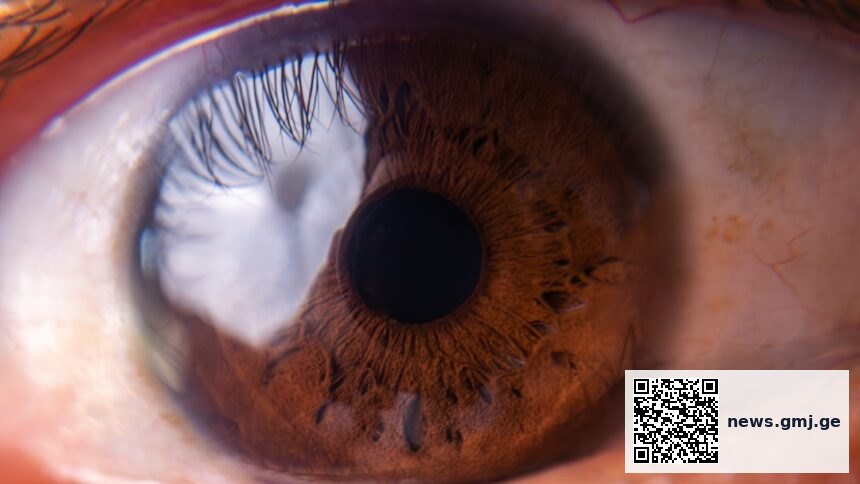
Ophthalmologic image showing diabetic retinopathy neovascularization of optic diskPhoto by Lye Clicks on Unsplash (Unsplash License)
New NEJM clinical images demonstrate proliferative diabetic retinopathy progression, showing characteristic neovascularization of the optic disk. The case highlights advanced diabetic eye disease manifestation and treatment response monitoring. — Photo by Lye Clicks on Unsplash (Unsplash License)
SHARE
3 min read|640 words
✓ Medically reviewed by Prof. Giorgi Pkhakadze, MD, MPH, PhD · ORCID 0000-0001-7609-4515

🟠 Moderate Evidence

Contents
    • Key takeaways
      • Global Diabetic Retinopathy Prevalence by Region
  • Understanding Diabetic Retinopathy Progression
  • Clinical Imaging Reveals Disease Characteristics
  • Treatment Approaches and Monitoring
  • Public Health Implications
    • What this means
  • Frequently asked questions
    • What causes diabetic retinopathy to progress to the proliferative stage?
    • Can proliferative diabetic retinopathy be reversed?
    • How often should diabetic patients have eye examinations?

New clinical images published in The New England Journal of Medicine demonstrate the progression and treatment response of proliferative diabetic retinopathy, showing characteristic neovascularization of the optic disk. The case highlights how advanced diabetic eye disease manifests and responds to current therapeutic interventions.

Key takeaways

  • Proliferative diabetic retinopathy causes abnormal blood vessel growth on the optic disk
  • Clinical imaging reveals characteristic neovascularization patterns in advanced disease
  • Treatment response can be monitored through sequential ophthalmologic examination
463 million
adults worldwide have diabetes, with diabetic retinopathy affecting up to 35% of patients

Global Diabetic Retinopathy Prevalence by Region

Percentage of diabetic patients developing retinopathy, 2019 data

Sub-Saharan Africa
35.9%
Middle East/North Africa
31.2%
South/Southeast Asia
28.4%
Europe
24.1%
North America

18.7%

Source: International Diabetes Federation, 2019 | Georgian Medical Journal News

Submit Your Paper
GMJ_Submit_Banner

Understanding Diabetic Retinopathy Progression

Proliferative diabetic retinopathy represents the most severe form of diabetic eye disease, characterized by the formation of new blood vessels (neovascularization) on the retina and optic disk. According to the World Health Organization, diabetic retinopathy is a leading cause of blindness among working-age adults globally.

🎙️ Related Podcast Episodes
🎧 #40 | GMJ Podcast | [Insert Article Title] — Evidence, Clinical Implications, and Public Health Perspective · 16m
🎧 #39 | GMJ Podcast | Acne and Metabolic Dysfunction — Insulin Resistance, IGF-1, and Clinical Implications · 15m
🎧 #38 | GMJ Podcast | Acne and Metabolic Dysfunction — Insulin Resistance, IGF-1, and Clinical Implications · 21m
🎧 #27 | WHO Calls for Environmentally Friendly and Less Invasive Oral Health Care · 21m
🎧 #26 | Denmark Becomes First EU Country to Eliminate Mother-to-Child Transmission of HIV and · 14m

The condition develops when chronic hyperglycemia damages retinal blood vessels, leading to ischemia and the release of vascular growth factors. This process triggers the formation of fragile new blood vessels that can hemorrhage and cause vision loss.

Clinical Imaging Reveals Disease Characteristics

The NEJM case demonstrates how ophthalmologic examination can reveal the characteristic appearance of neovascularization. These abnormal blood vessels typically appear as delicate, tortuous structures arising from the optic disk or retinal surface.

Fundus photography and fluorescein angiography remain essential tools for documenting disease progression and treatment response. The clinical significance of these imaging findings guides therapeutic decision-making and monitoring strategies.

Treatment Approaches and Monitoring

Current therapeutic approaches for proliferative diabetic retinopathy include anti-VEGF injections, laser photocoagulation, and vitrectomy surgery in severe cases. The FDA has approved multiple anti-VEGF agents for treating diabetic macular edema and proliferative disease.

Regular ophthalmologic monitoring allows clinicians to assess treatment response and adjust therapy accordingly. Early detection and intervention remain crucial for preventing irreversible vision loss in diabetic patients.

Public Health Implications

The rising global prevalence of diabetes makes diabetic retinopathy an increasingly important public health concern. Research published in global health journals emphasizes the need for systematic screening programs and improved access to specialized eye care.

Healthcare systems must develop strategies to identify at-risk patients and provide timely intervention. This includes training primary care providers to recognize early signs and establishing referral pathways to ophthalmology specialists.

Proliferative diabetic retinopathy affects approximately 7% of patients with diabetes duration greater than 20 years

— American Academy of Ophthalmology Clinical Guidelines (Ophthalmology, 2019)

What this means

For patients: Diabetic patients should undergo annual eye examinations and maintain optimal glucose control to prevent retinopathy progression
For clinicians: Primary care providers should ensure regular ophthalmology referrals for diabetic patients and emphasize glycemic control importance
For policymakers: Healthcare systems need accessible diabetic retinopathy screening programs and specialist care pathways

Frequently asked questions

What causes diabetic retinopathy to progress to the proliferative stage?

Chronic high blood glucose damages retinal blood vessels, causing ischemia and triggering growth factor release. This leads to abnormal new blood vessel formation on the retina and optic disk.

Can proliferative diabetic retinopathy be reversed?

While the condition cannot be completely reversed, early treatment with anti-VEGF therapy or laser photocoagulation can halt progression and preserve vision. Some neovascularization may regress with appropriate treatment.

How often should diabetic patients have eye examinations?

The American Diabetes Association recommends annual comprehensive eye examinations for most diabetic patients. Those with existing retinopathy may require more frequent monitoring as determined by their ophthalmologist.

The NEJM case underscores the importance of continued research into diabetic retinopathy pathophysiology and treatment approaches. As diabetes prevalence continues rising globally, developing more effective therapies and screening strategies will be essential for preventing vision loss in affected populations.

Source: Neovascularization of the Disk in Proliferative Diabetic Retinopathy

Was this article helpful?

Disclaimer. This article is health journalism intended for general information and education. It is not medical advice and is not a substitute for professional diagnosis or treatment. Always consult a qualified healthcare provider about your individual circumstances. Full disclaimer →

Related Coverage

Triple Hormone Obesity Drug Shows Promise in Early Safety Data at ADA 2026Jun 13, 2026
Medical Dosing Based on Race Lacks Scientific Evidence and May Harm Patients, NEJM Analysis WarnsJun 13, 2026
Novel PET Tracer Detects Blood Clots in Legs and Lungs with Single ScanJun 13, 2026
AI-Enhanced Scans and Immune-Targeting Drugs Transform Heart Inflammation DetectionJun 13, 2026
PG
Written by
Prof. Giorgi Pkhakadze, MD, MPH, PhD
Editor-in-Chief, GMJ News
Full profile →
Medical disclaimer. This article is health journalism intended for general information. It is not medical advice and is not a substitute for consultation with a qualified healthcare professional. Always seek your physician's advice regarding any medical condition.
Medically reviewed by Prof. Giorgi Pkhakadze, MD, MPH, PhD. Spotted an error? Contact the editorial team.
Get the GMJ News digest
Evidence-based health journalism in your inbox. No spam; unsubscribe anytime.
TAGGED:clinical imagingdiabetes complicationsdiabetic retinopathyneovascularizationophthalmology
Share This Article
Facebook LinkedIn Bluesky Copy Link Print
GMJ
ByGMJ Practice Desk
Follow:
GMJ Practice Desk is part of GMJ News, the newsroom of the Georgian Medical Journal (gmj.ge), published by the Public Health Institute of Georgia. Every article is editorially reviewed before publication.
Leave a Comment Leave a Comment

Leave a Reply Cancel reply

Your email address will not be published. Required fields are marked *

Submit Your Paper →

Georgia's peer-reviewed open-access medical journal. No APC until January 2027.
Submit Manuscript →
NHS Satisfaction Rises to 26% After Historic Low Despite Persistent Public Concerns

NHS satisfaction rose 6% to 26% in 2024 after historic lows, but…

Triple Hormone Obesity Drug Shows Promise in Early Safety Data at ADA 2026

Early safety data for triple hormone receptor obesity drugs presented at ADA…

Medical Dosing Based on Race Lacks Scientific Evidence and May Harm Patients, NEJM Analysis Warns

New NEJM analysis challenges race-based medication dosing, arguing it lacks scientific foundation…

Submit Your Paper to GMJ

No APC until January 2027.
Submit Manuscript →

You Might Also Like

Clinical laboratory showing advanced cell and gene therapy preparation in a controlled environment
Clinical Updates

New guidance on advanced therapy clinical trials: What researchers need to know

By
GMJ Practice Desk
20/05/2026
FDA medical device alert notice for TRUE METRIX blood glucose monitor
Clinical Updates

FDA Issues Correction Notice for TRUE METRIX Blood Glucose Monitors Over Error Code Risk

By
GMJ Practice Desk
20/05/2026
Medical imaging comparison showing enhanced MRI detecting small brain tumor missed by standard scan
Clinical UpdatesNew StudiesPracticeResearch Digest

New Imaging Technique Reveals Hidden Brain Tumors Missed by Standard MRI

By
GMJ Practice Desk
07/06/2026
Anatomical diagram showing spinal nerve branches controlling different body systems and organs
Clinical UpdatesPractice

Spinal Nerve Network Controls Body Functions Beyond Back Pain, Research Shows

By
GMJ Practice Desk
24/05/2026
Facebook Twitter Youtube Instagram
Company
  • Privacy Policy
  • Contact US
  • GMJ Journal
  • Submit Manuscript
  • Editorial Team
  • Register at GMJ
  • Terms of Use

Subscribe to GMJ News — Click here

Join Community
© 2026 Georgian Medical Journal (GMJ). Published by the Public Health Institute of Georgia (PHIG). All rights reserved.
Welcome Back!

Sign in to your account

Username or Email Address
Password

Lost your password?

Not a member? Sign Up