By using this site, you agree to the Privacy Policy and Terms of Use.
Accept
GMJ NewsGMJ NewsGMJ News
  • Latest News
    • GMJ Briefs
  • Podcast & Media
    • Podcast Episodes
    • GMJ Audio
    • GMJ Videos
  • Research Digest
    • New Studies
    • Georgian Research
    • Data & Numbers
  • Policy & Systems
    • Health Policy
    • Quality & Safety
    • Migration & Health
    • Global Health
  • Practice
    • Clinical Updates
    • Case Discussions
    • Pharmacy & Prescribing
    • Ingredients A-Z
  • Perspectives
    • Editorial
    • Explainers
    • Voices
    • Letters
  • GMJ Articles
    • Vol. 1 Issue 2 (2026)
    • Vol. 1 Issue 1 (2026)
    • Pre-Launch Articles (2025)
  • Read the Journal →
  • About GMJ News
Notification Show More
Font ResizerAa
GMJ NewsGMJ News
Font ResizerAa
  • Latest News
    • GMJ Briefs
  • Podcast & Media
    • Podcast Episodes
    • GMJ Audio
    • GMJ Videos
  • Research Digest
    • New Studies
    • Georgian Research
    • Data & Numbers
  • Policy & Systems
    • Health Policy
    • Quality & Safety
    • Migration & Health
    • Global Health
  • Practice
    • Clinical Updates
    • Case Discussions
    • Pharmacy & Prescribing
    • Ingredients A-Z
  • Perspectives
    • Editorial
    • Explainers
    • Voices
    • Letters
  • GMJ Articles
    • Vol. 1 Issue 2 (2026)
    • Vol. 1 Issue 1 (2026)
    • Pre-Launch Articles (2025)
  • Read the Journal →
  • About GMJ News
Follow US
GMJ News > Research Digest > New Studies > Traditional Chinese herb shows promise for androgenetic alopecia treatment
New StudiesResearch Digest

Traditional Chinese herb shows promise for androgenetic alopecia treatment

GMJ
Last updated: 12/06/2026 02:41
By
GMJ Research Desk
Share
6 Min Read
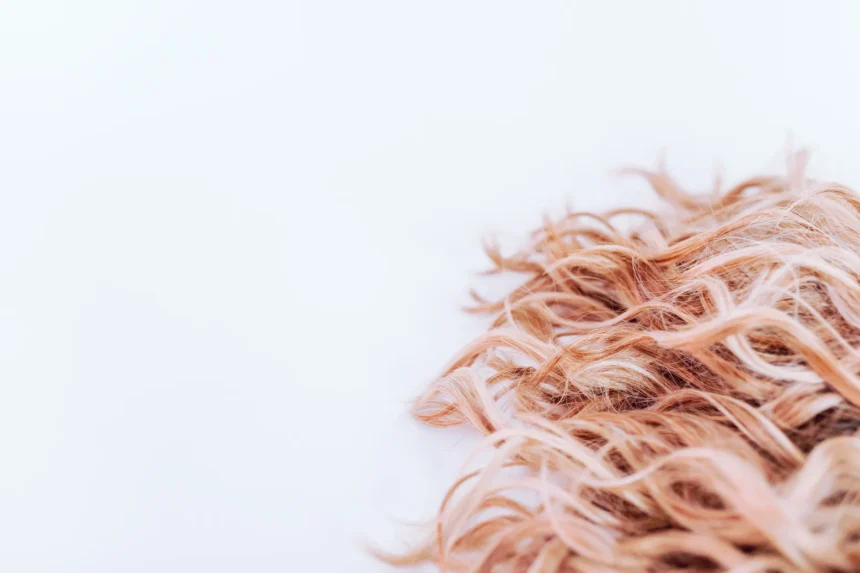
Traditional Chinese medicinal herbs and modern laboratory equipment representing convergence of ancient and contemporary medicinePhoto by RDNE Stock project on Pexels (Pexels License)
Traditional Chinese herb Polygonum multiflorum shows promise for treating androgenetic alopecia through multiple mechanisms including hormone blocking and follicle protection. Laboratory studies suggest the millennium-old remedy aligns with modern hair biology understanding. — Photo by RDNE Stock project on Pexels (Pexels License)
SHARE
4 min read|775 words
✓ Medically reviewed by Prof. Giorgi Pkhakadze, MD, MPH, PhD · ORCID 0000-0001-7609-4515

🟠 Moderate Evidence

Contents
    • Key takeaways
      • Polygonum multiflorum’s multi-target approach to hair loss
  • Ancient wisdom meets modern science
  • Targeting the root cause of male pattern baldness
  • Beyond hormone blocking: comprehensive follicle support
  • Clinical applications and future research
    • What this means
  • Frequently asked questions
    • Is Polygonum multiflorum safe for hair loss treatment?
    • How does this herb compare to finasteride for male pattern baldness?
    • When might Polygonum multiflorum treatments become available?

Polygonum multiflorum, a traditional Chinese medicinal root used for over a millennium, is gaining scientific attention as a potential treatment for androgenetic alopecia, according to emerging research documented in ethnopharmacological studies. The herb demonstrates multiple mechanisms that align with modern understanding of hair follicle biology and may offer a natural alternative to conventional hair loss treatments.

Key takeaways

  • Polygonum multiflorum shows ability to block 5α-reductase, the enzyme that produces hair loss-promoting DHT hormone
  • Laboratory studies demonstrate the herb can activate Wnt/β-catenin signaling pathways crucial for hair growth
  • Traditional use spanning over 1,000 years aligns remarkably with modern hair follicle biology research
1,000+ years
of documented traditional use for hair and scalp health in Chinese medicine

Polygonum multiflorum’s multi-target approach to hair loss

Four key mechanisms identified in laboratory studies

5α-reductase inhibition
High
Hair growth signaling
High
Follicle protection
Moderate
Circulation enhancement

Moderate

Source: Ethnopharmacological Research, 2026 | Georgian Medical Journal News

Submit Your Paper
GMJ_Submit_Banner

Ancient wisdom meets modern science

Polygonum multiflorum, known as “He Shou Wu” in traditional Chinese medicine, has been prescribed for hair and scalp conditions since ancient times. Recent laboratory investigations published in ethnopharmacological journals suggest the herb’s traditional reputation may have scientific merit.

🎙️ Related Podcast Episodes
🎧 #45 | GMJ Podcast | Tskaltubo Mineral Baths in Osteoarthritis — Microcirculation, Erythrocytes, and Clinical Effects · 18m
🎧 #39 | GMJ Podcast | Acne and Metabolic Dysfunction — Insulin Resistance, IGF-1, and Clinical Implications · 15m
🎧 #38 | GMJ Podcast | Acne and Metabolic Dysfunction — Insulin Resistance, IGF-1, and Clinical Implications · 21m
🎧 #21 | WHO Issues New Guidance on Novel Snakebite Treatments · 14m

The plant contains bioactive compounds including stilbenes, anthraquinones, and phospholipids that appear to target multiple pathways involved in hair loss. These findings represent a convergence of traditional knowledge with contemporary dermatological research, according to researchers studying natural approaches to androgenetic alopecia.

Targeting the root cause of male pattern baldness

One of the most significant mechanisms identified involves the herb’s ability to inhibit 5α-reductase, the enzyme responsible for converting testosterone to dihydrotestosterone (DHT). DHT is the primary hormonal driver of androgenetic alopecia, causing hair follicles to shrink and eventually stop producing hair.

Laboratory studies documented in biochemical research show that specific compounds in Polygonum multiflorum can block this enzymatic conversion. This mechanism mirrors that of finasteride, a widely prescribed pharmaceutical treatment for male pattern baldness, but through natural pathways.

Additionally, the herb appears to activate Wnt/β-catenin signaling pathways, which are crucial for hair follicle development and regeneration, according to research published in dermatological studies.

Beyond hormone blocking: comprehensive follicle support

The herb’s therapeutic potential extends beyond hormone regulation to include direct follicle protection and enhanced scalp circulation. Research indicates that Polygonum multiflorum’s antioxidant properties may shield hair follicles from oxidative stress, a factor that contributes to premature hair loss.

Studies also suggest the herb can improve microcirculation in the scalp, potentially enhancing nutrient delivery to hair follicles. This vascular enhancement mechanism aligns with traditional Chinese medicine principles that emphasize blood flow and qi circulation for healthy hair growth, according to documentation in traditional medicine archives.

Polygonum multiflorum demonstrates remarkable alignment between traditional therapeutic claims and modern understanding of hair follicle biology, targeting multiple pathways simultaneously

— Research team, Ethnopharmacological Studies (2026)

Clinical applications and future research

While laboratory findings are promising, researchers emphasize that controlled clinical trials are needed to establish optimal dosing, delivery methods, and long-term safety profiles. Current evidence comes primarily from in vitro studies and traditional use documentation rather than randomized controlled trials.

Several research institutions are reportedly initiating clinical investigations to evaluate topical and oral formulations of standardized Polygonum multiflorum extracts. These studies aim to quantify the herb’s effectiveness compared to established treatments and identify potential interactions or contraindications, according to sources familiar with ongoing research initiatives.

What this means

For patients: A potentially safer, natural alternative to synthetic hair loss treatments may be emerging, though clinical validation is still needed
For clinicians: Understanding traditional medicine mechanisms may inform development of novel therapeutic approaches for androgenetic alopecia
For policymakers: Investment in rigorous clinical trials for traditional medicines could unlock new treatment options while ensuring safety standards

Frequently asked questions

Is Polygonum multiflorum safe for hair loss treatment?

While traditionally used for centuries, modern safety data from controlled clinical trials is limited. Some preparations have been associated with liver toxicity, emphasizing the need for standardized extracts and medical supervision.

How does this herb compare to finasteride for male pattern baldness?

Both target the 5α-reductase enzyme, but through different mechanisms. Clinical trials are needed to directly compare effectiveness, with the herb potentially offering additional follicle-supporting benefits.

When might Polygonum multiflorum treatments become available?

Standardized extracts exist in some markets, but evidence-based formulations require completion of ongoing clinical trials, likely within the next 3-5 years for regulatory approval.

The convergence of ancient wisdom with modern scientific validation represents a promising avenue for hair loss treatment innovation. As clinical research advances, Polygonum multiflorum may bridge the gap between traditional medicine and evidence-based dermatology, offering patients new therapeutic options grounded in both historical use and contemporary understanding of hair follicle biology.

Source: Ancient Chinese medicine could transform hair loss treatment

Was this article helpful?

Disclaimer. This article is health journalism intended for general information and education. It is not medical advice and is not a substitute for professional diagnosis or treatment. Always consult a qualified healthcare provider about your individual circumstances. Full disclaimer →

Related Coverage

Child Mortality Progress Stalls: 60 Countries Risk Missing 2030 UN TargetsJun 12, 2026
Scientists Discover Master Clock That Controls Biological Growth and DevelopmentJun 12, 2026
Brain immune cells reveal why some people resist dementia despite tau tanglesJun 12, 2026
Five Distinct Diabetes Development Patterns Identified Years Before DiagnosisJun 12, 2026
Related reference
  • Finasteride · Drug
  • He Shou Wu · Ingredient
PG
Written by
Prof. Giorgi Pkhakadze, MD, MPH, PhD
Editor-in-Chief, GMJ News
Full profile →
Medical disclaimer. This article is health journalism intended for general information. It is not medical advice and is not a substitute for consultation with a qualified healthcare professional. Always seek your physician's advice regarding any medical condition.
Medically reviewed by Prof. Giorgi Pkhakadze, MD, MPH, PhD. Spotted an error? Contact the editorial team.
Get the GMJ News digest
Evidence-based health journalism in your inbox. No spam; unsubscribe anytime.
TAGGED:androgenetic alopeciaChinese herbshair lossnatural treatmenttraditional medicine
Share This Article
Facebook LinkedIn Bluesky Copy Link Print
GMJ
ByGMJ Research Desk
Follow:
GMJ Research Desk is part of GMJ News, the newsroom of the Georgian Medical Journal (gmj.ge), published by the Public Health Institute of Georgia. Every article is editorially reviewed before publication.
Leave a Comment Leave a Comment

Leave a Reply Cancel reply

Your email address will not be published. Required fields are marked *

Submit Your Paper →

Georgia's peer-reviewed open-access medical journal. No APC until January 2027.
Submit Manuscript →
Evidence review: Which supplements older adults actually need and which ones to avoid

New evidence shows older adults benefit more from targeted supplementation for specific…

Dual Doctor Couples Face Amplified Childcare Crisis in Medical Training

Dual doctor couples face amplified childcare challenges during medical training, with foundation…

Child Mortality Progress Stalls: 60 Countries Risk Missing 2030 UN Targets

New BMJ analysis reveals 60 countries unlikely to meet UN child survival…

Submit Your Paper to GMJ

No APC until January 2027.
Submit Manuscript →

You Might Also Like

Scientific illustration of grape polyphenols activating skin cell pathways and improving collagen expression
New Studies

Grape consumption alters gene expression and improves skin health, study finds

By
GMJ Research Desk
19/05/2026
Athlete resting during training break with fitness retention data visualization
New StudiesResearch Digest

Training Breaks Cost Less Than Athletes Think, New Studies Show

By
GMJ Research Desk
24/05/2026
Brain diagram showing stroke-related inflammation crossing between hemispheres causing bilateral pain
New StudiesResearch Digest

Mirror-image pain after stroke linked to LPA-driven inflammation crossing brain hemispheres

By
GMJ Research Desk
10/06/2026
Chart showing three different peak performance ages across human lifespan from Swedish longitudinal study
New StudiesResearch Digest

Your Body Has Three Performance Peaks, Not One, Reveals 47-Year Swedish Study

By
GMJ Research Desk
24/05/2026
Facebook Twitter Youtube Instagram
Company
  • Privacy Policy
  • Contact US
  • GMJ Journal
  • Submit Manuscript
  • Editorial Team
  • Register at GMJ
  • Terms of Use

Subscribe to GMJ News — Click here

Join Community
© 2026 Georgian Medical Journal (GMJ). Published by the Public Health Institute of Georgia (PHIG). All rights reserved.
Welcome Back!

Sign in to your account

Username or Email Address
Password

Lost your password?

Not a member? Sign Up