By using this site, you agree to the Privacy Policy and Terms of Use.
Accept
GMJ NewsGMJ NewsGMJ News
  • Latest News
    • GMJ Briefs
  • Podcast & Media
    • Podcast Episodes
    • GMJ Audio
    • GMJ Videos
  • Research Digest
    • New Studies
    • Georgian Research
    • Data & Numbers
  • Policy & Systems
    • Health Policy
    • Quality & Safety
    • Migration & Health
    • Global Health
  • Practice
    • Clinical Updates
    • Case Discussions
    • Pharmacy & Prescribing
    • Ingredients A-Z
  • Perspectives
    • Editorial
    • Explainers
    • Voices
    • Letters
  • Health Topics
  • GMJ Articles
    • Vol. 1 Issue 2 (2026)
    • Vol. 1 Issue 1 (2026)
    • Pre-Launch Articles (2025)
  • Read the Journal →
  • About GMJ News
Notification Show More
Font ResizerAa
GMJ NewsGMJ News
Font ResizerAa
  • Latest News
    • GMJ Briefs
  • Podcast & Media
    • Podcast Episodes
    • GMJ Audio
    • GMJ Videos
  • Research Digest
    • New Studies
    • Georgian Research
    • Data & Numbers
  • Policy & Systems
    • Health Policy
    • Quality & Safety
    • Migration & Health
    • Global Health
  • Practice
    • Clinical Updates
    • Case Discussions
    • Pharmacy & Prescribing
    • Ingredients A-Z
  • Perspectives
    • Editorial
    • Explainers
    • Voices
    • Letters
  • Health Topics
  • GMJ Articles
    • Vol. 1 Issue 2 (2026)
    • Vol. 1 Issue 1 (2026)
    • Pre-Launch Articles (2025)
  • Read the Journal →
  • About GMJ News
Follow US
GMJ News > GMJ Briefs > Complete Anxiety Reversal Achieved Through Amygdala Circuit Restoration

Complete Anxiety Reversal Achieved Through Amygdala Circuit Restoration

GMJ
Last updated: 22/06/2026 04:17
By
Prof. Giorgi Pkhakadze
Share
1 Min Read
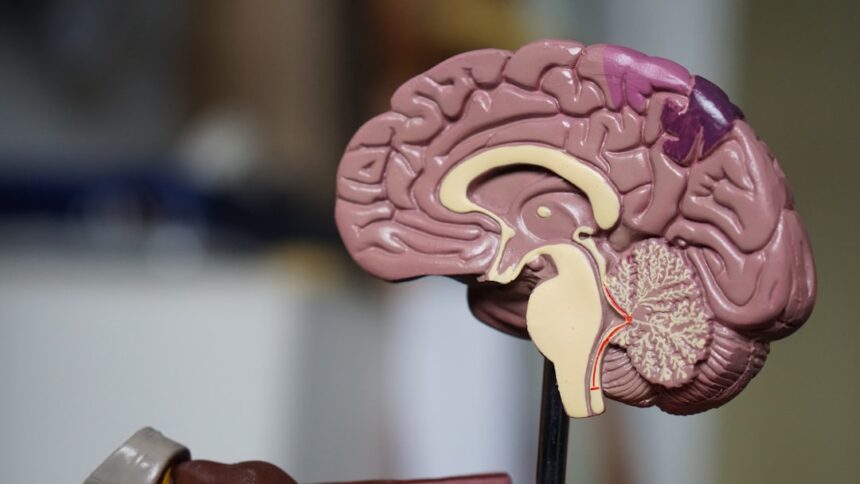
Scientific illustration of amygdala brain circuits involved in anxiety processing
Researchers successfully reversed anxiety in mice by targeting a specific group of amygdala neurons. The breakthrough identifies a promising new target for developing more precise anxiety treatments. — Photo: Robina Weermeijer / Pexels
SHARE
1 min read|132 words

A landmark experimental study demonstrates that complete reversal of anxiety and social deficits can be achieved by restoring normal neural activity in a specific population of amygdala neurons. Researchers utilized advanced neuroscience techniques to characterize this previously unknown neuronal group and its critical role in emotional regulation.

When these neurons functioned abnormally, laboratory mice exhibited classic anxiety behaviors and social withdrawal. Upon restoration of normal circuit activity, anxiety symptoms completely resolved, providing compelling evidence that this neural mechanism represents a key control point for anxiety responses.

This circuit-based finding could revolutionize therapeutic approaches to anxiety disorders, moving toward interventions that target specific neural mechanisms rather than broad neurochemical systems. The precision of this approach suggests potential for improved efficacy and tolerability in future anxiety treatments. Read the full article on GMJ Newsroom.

Was this article helpful?
GMJ Brief · Key Finding

📰 Read the full article: Scientists Reverse Anxiety in Mice by Targeting Tiny Amygdala Circuit →

Share This Article
Facebook LinkedIn Bluesky Copy Link Print
GMJ
ByProf. Giorgi Pkhakadze
Follow:
Prof. Giorgi Pkhakadze, MD, MPH, PhD, is Editor-in-Chief of the Georgian Medical Journal and Chair of the Public Health Institute of Georgia (PHIG). He is Professor and Head of the Department of Social and Behavioural Sciences at David Tvildiani Medical University, and Secretary/Treasurer of the UEMS Section of Public Health. ORCID: 0000-0001-7609-4515.

Submit Your Paper →

Georgia's peer-reviewed open-access medical journal. No APC until January 2027.
Submit Manuscript →
Whey protein triggers substantial insulin response despite low carbohydrate content, research shows

Whey protein consumed on an empty stomach triggers insulin secretion 90% higher…

What makes prostate cancer aggressive? Biology, genetics, and clinical grading explained

Prostate cancer aggressiveness is determined by histological grade (Gleason score), genetic mutations…

UK childhood vaccination coverage holds steady at high levels, latest quarterly data shows

The UK's Cover of Vaccination Evaluated Rapidly (COVER) programme reports sustained high…

Submit Your Paper to GMJ

No APC until January 2027.
Submit Manuscript →

You Might Also Like

Illustration of ribosome collisions in brain cells causing protein misfolding and aging

40% Increase in Ribosomal Collisions Revealed in Aged Brain Cells

By
Prof. Giorgi Pkhakadze
14/06/2026
Diagram showing dual glucose clearance pathways: insulin-dependent at rest and contraction-mediated during movement

The Hidden Glucose-Clearing Pathway Your Muscles Activate During Movement

By
Prof. Giorgi Pkhakadze
23/07/2026
New StudiesResearch Digest

Reduced Radiation Shows Promise for Older Lung Cancer Patients in Clinical Trial

By
Prof. Giorgi Pkhakadze
28/05/2026
Portrait of Dr. James Phillip Luby in laboratory setting with medical equipment

The Numbers Behind Hospital Safety: Dr. Luby’s 40% Reduction in Pneumonia Rates

By
Prof. Giorgi Pkhakadze
19/06/2026
Facebook Twitter Youtube Instagram
Company
  • Privacy Policy
  • Contact US
  • GMJ Journal
  • Submit Manuscript
  • Editorial Team
  • Register at GMJ
  • Terms of Use

Subscribe to GMJ News — Click here

Join Community
© 2026 Georgian Medical Journal (GMJ). Published by the Public Health Institute of Georgia (PHIG). All rights reserved.
Welcome Back!

Sign in to your account

Username or Email Address
Password

Lost your password?

Not a member? Sign Up