By using this site, you agree to the Privacy Policy and Terms of Use.
Accept
GMJ NewsGMJ NewsGMJ News
  • Latest News
    • GMJ Briefs
  • Podcast & Media
    • Podcast Episodes
    • GMJ Audio
    • GMJ Videos
  • Research Digest
    • New Studies
    • Georgian Research
    • Data & Numbers
  • Policy & Systems
    • Health Policy
    • Quality & Safety
    • Migration & Health
    • Global Health
  • Practice
    • Clinical Updates
    • Case Discussions
    • Pharmacy & Prescribing
    • Ingredients A-Z
  • Perspectives
    • Editorial
    • Explainers
    • Voices
    • Letters
  • GMJ Articles
    • Vol. 1 Issue 2 (2026)
    • Vol. 1 Issue 1 (2026)
    • Pre-Launch Articles (2025)
  • Read the Journal →
  • About GMJ News
Notification Show More
Font ResizerAa
GMJ NewsGMJ News
Font ResizerAa
  • Latest News
    • GMJ Briefs
  • Podcast & Media
    • Podcast Episodes
    • GMJ Audio
    • GMJ Videos
  • Research Digest
    • New Studies
    • Georgian Research
    • Data & Numbers
  • Policy & Systems
    • Health Policy
    • Quality & Safety
    • Migration & Health
    • Global Health
  • Practice
    • Clinical Updates
    • Case Discussions
    • Pharmacy & Prescribing
    • Ingredients A-Z
  • Perspectives
    • Editorial
    • Explainers
    • Voices
    • Letters
  • GMJ Articles
    • Vol. 1 Issue 2 (2026)
    • Vol. 1 Issue 1 (2026)
    • Pre-Launch Articles (2025)
  • Read the Journal →
  • About GMJ News
Follow US
GMJ News > GMJ Briefs > What Fragmented Women’s Empowerment Programs Mean for Global Health Goals

What Fragmented Women’s Empowerment Programs Mean for Global Health Goals

GMJ
Last updated: 09/07/2026 02:17
By
Prof. Giorgi Pkhakadze
Share
1 Min Read
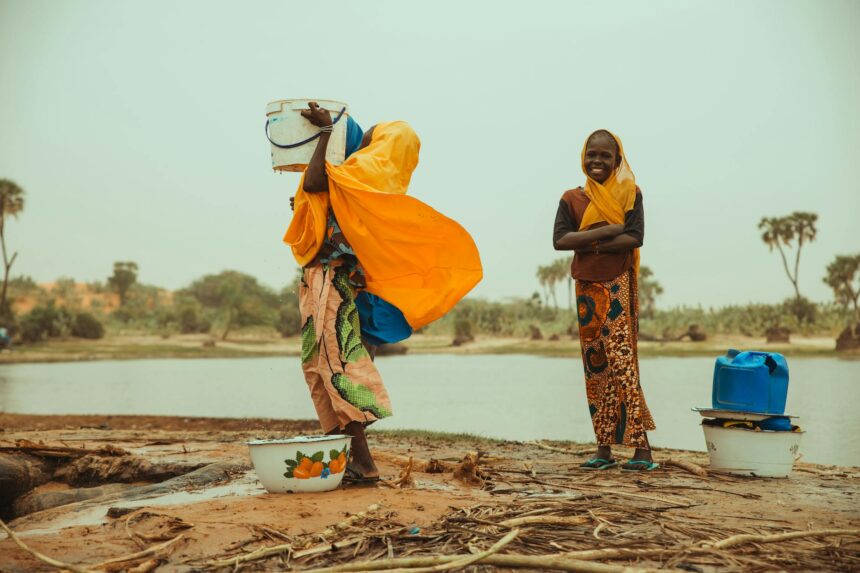
Women participating in community empowerment program discussion
A comprehensive scoping review reveals significant gaps in how women's empowerment programs in developing countries define, measure, and evaluate their effectiveness. Inconsistent frameworks limit program comparison and evidence-based improvements. — Photo: alameen .ng / Pexels
SHARE
1 min read|136 words

A major scoping review has identified three critical issues affecting women’s empowerment interventions in developing countries. First, most programs use different measurement frameworks, making direct comparison of outcomes nearly impossible. Second, this lack of standardization fundamentally undermines program effectiveness and prevents evidence-based improvements. Third, implementing better measurement tools could significantly improve outcomes for millions of women in capacity-building programs worldwide.

These findings carry practical implications for policymakers, implementers, and donors working in global health. Without consensus on how to measure empowerment, organizations cannot identify which approaches work best or replicate successful models across regions. The research suggests that investing in standardized measurement frameworks is not a bureaucratic exercise but a critical step toward more effective interventions.

The global health community must prioritize developing unified approaches to define, implement, and evaluate women’s empowerment initiatives to maximize impact.

Was this article helpful?

GMJ Brief · Takeaway

📰 Read the full article: Women’s Empowerment Programs in Poor Countries Lack Clear Measurement Standards →

Share This Article
Facebook LinkedIn Bluesky Copy Link Print
GMJ
ByProf. Giorgi Pkhakadze
Follow:
Prof. Giorgi Pkhakadze, MD, MPH, PhD, is Editor-in-Chief of the Georgian Medical Journal and Chair of the Public Health Institute of Georgia (PHIG). He is Professor and Head of the Department of Social and Behavioural Sciences at David Tvildiani Medical University, and Secretary/Treasurer of the UEMS Section of Public Health. ORCID: 0000-0001-7609-4515.

Submit Your Paper →

Georgia's peer-reviewed open-access medical journal. No APC until January 2027.
Submit Manuscript →
How US immigration policy shapes maternal and child health outcomes

Immigration policy restrictions directly limit prenatal care access for undocumented women, reshaping…

US Infant Mortality Reaches Historic Low, Yet Lags Peer Nations

The United States achieved an all-time low in infant mortality in 2025…

AI-Driven Depression Treatment Platform Neumora Halts Clinical Development

Neumora, an AI-focused depression treatment platform backed by venture capital firm ARCH,…

Submit Your Paper to GMJ

No APC until January 2027.
Submit Manuscript →

You Might Also Like

Children receiving medical care in Gaza humanitarian crisis

UNICEF Documents 1,500 Children With Severe Skin Diseases in Gaza Humanitarian Emergency

By
Prof. Giorgi Pkhakadze
07/06/2026
Medical illustration showing brain aneurysm cellular structure and rupture mechanisms

Cellular Atlas Unlocks the Mystery Behind Brain Aneurysm Rupture

By
Prof. Giorgi Pkhakadze
02/07/2026
Healthcare cost analysis showing long COVID economic impact on US system

The Numbers Don’t Lie: Long COVID’s $8 Billion Economic Burden Breaks Down

By
Prof. Giorgi Pkhakadze
10/06/2026
Global HealthPolicy & Systems

WHO Expert Panel Identifies Candidate Vaccines for Rare Bundibugyo Ebola Outbreak

By
Prof. Giorgi Pkhakadze
03/06/2026
Facebook Twitter Youtube Instagram
Company
  • Privacy Policy
  • Contact US
  • GMJ Journal
  • Submit Manuscript
  • Editorial Team
  • Register at GMJ
  • Terms of Use

Subscribe to GMJ News — Click here

Join Community
© 2026 Georgian Medical Journal (GMJ). Published by the Public Health Institute of Georgia (PHIG). All rights reserved.
Welcome Back!

Sign in to your account

Username or Email Address
Password

Lost your password?

Not a member? Sign Up