By using this site, you agree to the Privacy Policy and Terms of Use.
Accept
GMJ NewsGMJ NewsGMJ News
  • Latest News
    • GMJ Briefs
  • Podcast & Media
    • Podcast Episodes
    • GMJ Audio
    • GMJ Videos
  • Research Digest
    • New Studies
    • Georgian Research
    • Data & Numbers
  • Policy & Systems
    • Health Policy
    • Quality & Safety
    • Migration & Health
    • Global Health
  • Practice
    • Clinical Updates
    • Case Discussions
    • Pharmacy & Prescribing
    • Ingredients A-Z
  • Perspectives
    • Editorial
    • Explainers
    • Voices
    • Letters
  • GMJ Articles
    • Vol. 1 Issue 2 (2026)
    • Vol. 1 Issue 1 (2026)
    • Pre-Launch Articles (2025)
  • Read the Journal →
  • About GMJ News
Notification Show More
Font ResizerAa
GMJ NewsGMJ News
Font ResizerAa
  • Latest News
    • GMJ Briefs
  • Podcast & Media
    • Podcast Episodes
    • GMJ Audio
    • GMJ Videos
  • Research Digest
    • New Studies
    • Georgian Research
    • Data & Numbers
  • Policy & Systems
    • Health Policy
    • Quality & Safety
    • Migration & Health
    • Global Health
  • Practice
    • Clinical Updates
    • Case Discussions
    • Pharmacy & Prescribing
    • Ingredients A-Z
  • Perspectives
    • Editorial
    • Explainers
    • Voices
    • Letters
  • GMJ Articles
    • Vol. 1 Issue 2 (2026)
    • Vol. 1 Issue 1 (2026)
    • Pre-Launch Articles (2025)
  • Read the Journal →
  • About GMJ News
Follow US
GMJ News > Practice > Clinical Updates > Prostate Cancer Affects One in Eight Men: Early Symptoms and Detection Guidelines
Clinical UpdatesPractice

Prostate Cancer Affects One in Eight Men: Early Symptoms and Detection Guidelines

GMJ
Last updated: 13/06/2026 10:46
By
GMJ Practice Desk
Share
6 Min Read
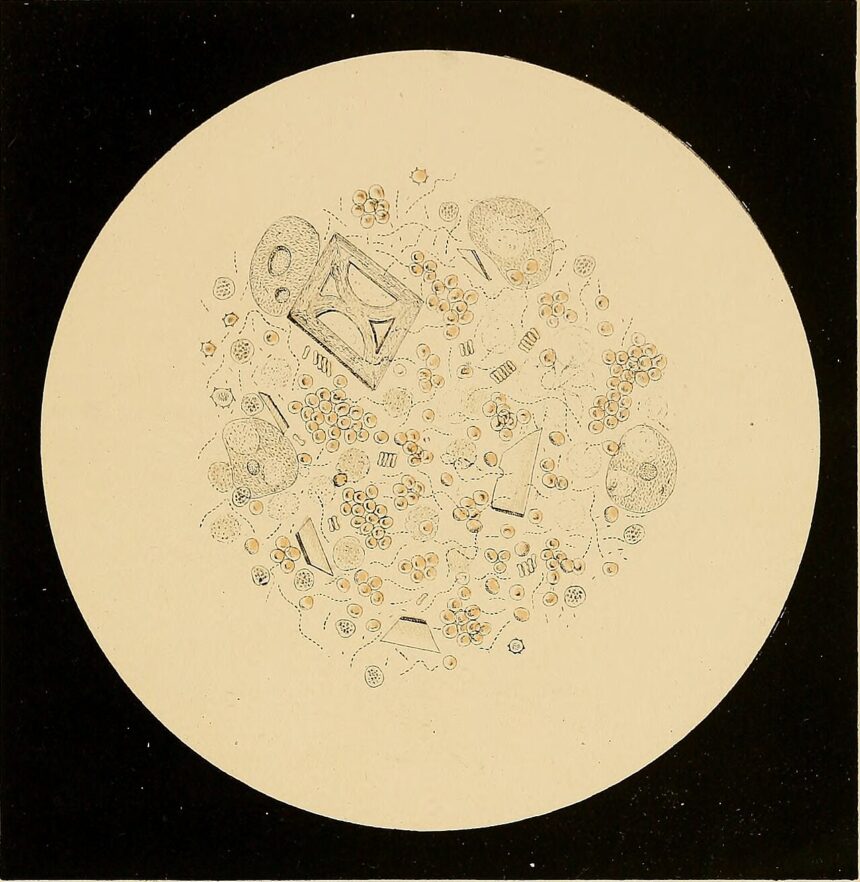
Medical illustration showing prostate gland anatomy and common symptoms of prostate cancerIllustrative image · An atlas of clinical microscopy (1885) (14802540233).jpg by Internet Archive Book Images / No restrictions via Wikimedia Commons (No restrictions)
New data reveals one in eight men will develop prostate cancer, yet early symptoms often go unrecognized. Understanding warning signs and screening guidelines could save lives through earlier detection. — An atlas of clinical microscopy (1885) (14802540233).jpg by Internet Archive Book Images / No restrictions via Wikimedia Commons (No restrictions)
SHARE
4 min read|725 words

Prostate cancer represents one of the most significant health challenges facing men globally, with American Cancer Society data indicating that one in eight men will receive a prostate cancer diagnosis during their lifetime. Despite its high prevalence, early-stage prostate cancer often presents with minimal or no symptoms, making awareness of potential warning signs crucial for timely intervention.

Contents
      • Prostate Cancer Incidence by Age Group
  • Silent Disease: Why Early Symptoms Often Go Unnoticed
  • Key Warning Signs Requiring Medical Evaluation
  • Screening Guidelines and Risk Assessment
    • Key takeaways
  • Frequently asked questions
    • At what age should men start discussing prostate cancer screening?
    • Can prostate cancer be cured if caught early?
    • Do all men with prostate cancer need immediate treatment?
1 in 8
men will be diagnosed with prostate cancer in their lifetime, according to cancer registries

Prostate Cancer Incidence by Age Group

Percentage of new cases diagnosed annually per 100,000 men, United States

Ages 65-74
420 cases
Ages 55-64
275 cases
Ages 45-54
125 cases
Ages 35-44

40 cases

Source: SEER Cancer Statistics Review, 2024 | Georgian Medical Journal News

Silent Disease: Why Early Symptoms Often Go Unnoticed

Early-stage prostate cancer typically develops without noticeable symptoms, according to the National Cancer Institute. This characteristic makes the disease particularly challenging to detect without routine screening. The prostate gland’s location deep within the pelvis means that small tumors rarely cause immediate functional problems.

Submit Your Paper
GMJ_Submit_Banner

When symptoms do appear, they often overlap with benign prostate conditions such as benign prostatic hyperplasia (BPH), which affects approximately 50% of men over age 60. The similarity of symptoms between malignant and benign conditions can lead to delays in appropriate evaluation and diagnosis.

🎙️ Related Podcast Episodes
🎧 #14 | WHO: Four in Ten Cancer Cases Could Be Prevented Globally · 16m
🎧 #43 | GMJ Podcast | Cardiovascular Screening in Pediatric Athletes — Risk Stratification and Public Health Implications · 20m
🎧 #27 | WHO Calls for Environmentally Friendly and Less Invasive Oral Health Care · 21m
🎧 #25 | WHO Warns: Childhood Hearing Loss Must Be Addressed Early · 19m
🎧 #13 | Six Years After COVID-19: Is the World Better Prepared for the Next Pandemic? · 19m

Key Warning Signs Requiring Medical Evaluation

The most commonly reported symptoms of prostate cancer involve changes in urinary function, according to NHS clinical guidelines. These include difficulty starting urination, weak or interrupted urine flow, and increased frequency of urination, particularly at night. Blood in urine or semen represents a more concerning symptom that warrants immediate medical attention.

Advanced prostate cancer may cause additional symptoms including bone pain, particularly in the spine, pelvis, or ribs, as these are common sites of metastasis. The World Health Organization emphasizes that persistent pain in these areas, especially when accompanied by urinary symptoms, should prompt urgent medical consultation.

Research published in urological oncology journals has identified that men often delay seeking medical care for urinary symptoms, attributing them to normal aging. This delay can result in diagnosis at more advanced stages when treatment options may be limited.

Screening Guidelines and Risk Assessment

The U.S. Preventive Services Task Force recommends that men aged 55-69 discuss the potential benefits and harms of prostate-specific antigen (PSA) screening with their healthcare provider. This shared decision-making approach recognizes that screening benefits vary based on individual risk factors and life expectancy.

High-risk populations, including men of African descent and those with family history of prostate cancer, may benefit from earlier screening discussions starting at age 40-45. The American Cancer Society notes that these groups face both higher incidence rates and more aggressive disease patterns, making early detection particularly crucial.

Men with a first-degree relative with prostate cancer have approximately twice the risk of developing the disease compared to men without family history

— American Cancer Society Cancer Statistics (2024)

Key takeaways

  • One in eight men will be diagnosed with prostate cancer, making it the second most common cancer in men
  • Early-stage disease rarely causes symptoms, emphasizing the importance of routine screening discussions
  • Urinary symptoms, blood in urine or semen, and unexplained bone pain warrant immediate medical evaluation

Frequently asked questions

At what age should men start discussing prostate cancer screening?

Men should begin discussions about prostate cancer screening with their healthcare provider at age 50 for average-risk individuals, or at age 45 for high-risk groups including African American men and those with family history. The decision should be individualized based on personal risk factors and life expectancy.

Can prostate cancer be cured if caught early?

Early-stage prostate cancer confined to the prostate gland has excellent treatment outcomes, with five-year survival rates exceeding 95% according to cancer registries. Treatment options include active surveillance, surgery, and radiation therapy, depending on tumor characteristics and patient factors.

Do all men with prostate cancer need immediate treatment?

Not all prostate cancers require immediate treatment. Low-risk, slow-growing tumors may be managed with active surveillance, involving regular monitoring with PSA tests, physical exams, and periodic biopsies. Treatment decisions should always involve discussion with a qualified oncologist or urologist.

The landscape of prostate cancer detection and treatment continues to evolve, with emerging biomarkers and imaging techniques offering promise for more precise risk stratification. As research advances, the goal remains early identification of clinically significant cancers while avoiding overdiagnosis and overtreatment of indolent disease that may never threaten a man’s health or longevity.

Source: What are the symptoms of prostate cancer and what should you check for?

Was this article helpful?

Disclaimer. This article is health journalism intended for general information and education. It is not medical advice and is not a substitute for professional diagnosis or treatment. Always consult a qualified healthcare provider about your individual circumstances. Full disclaimer →

Related Coverage

ICU Rooftop Gardens Show Promise for Critically Ill Patient RecoveryJun 14, 2026
Triple Hormone Obesity Drug Shows Promise in Early Safety Data at ADA 2026Jun 13, 2026
Medical Dosing Based on Race Lacks Scientific Evidence and May Harm Patients, NEJM Analysis WarnsJun 13, 2026
NEJM Images Show Advanced Diabetic Eye Disease Progression and Treatment ResponseJun 13, 2026
Related reference
  • Prostate Cancer · Condition
PG
Written by
Prof. Giorgi Pkhakadze, MD, MPH, PhD
Editor-in-Chief, GMJ News
Full profile →
Medical disclaimer. This article is health journalism intended for general information. It is not medical advice and is not a substitute for consultation with a qualified healthcare professional. Always seek your physician's advice regarding any medical condition.
Medically reviewed by Prof. Giorgi Pkhakadze, MD, MPH, PhD. Spotted an error? Contact the editorial team.

Get the GMJ News digest
Evidence-based health journalism in your inbox. No spam; unsubscribe anytime.
TAGGED:cancer screeningearly detectionmen's healthprostate cancerurology
Share This Article
Facebook LinkedIn Bluesky Copy Link Print
GMJ
ByGMJ Practice Desk
Follow:
GMJ Practice Desk is part of GMJ News, the newsroom of the Georgian Medical Journal (gmj.ge), published by the Public Health Institute of Georgia. Every article is editorially reviewed before publication.
Leave a Comment Leave a Comment

Leave a Reply Cancel reply

Your email address will not be published. Required fields are marked *

Submit Your Paper →

Georgia's peer-reviewed open-access medical journal. No APC until January 2027.
Submit Manuscript →
UK Restricts Prostate Cancer Screening to High-Risk Men Only

UK health advisors restrict prostate cancer screening to men with dangerous genetic…

ICU Rooftop Gardens Show Promise for Critically Ill Patient Recovery

King's College Hospital creates world's first ICU rooftop garden where critically ill…

Biotech Industry Faces Strategic Inflection Point Amid Cost Pressures and Innovation Demands

Veteran biotech executive Jeremy Levin discusses how the industry faces a critical…

Submit Your Paper to GMJ

No APC until January 2027.
Submit Manuscript →

You Might Also Like

Bronchoscopic view showing black carbon deposits in bronchial airways from coal dust exposure
Clinical UpdatesPractice

Bronchial Anthracosis: Coal Dust Exposure Leaves Distinctive Lung Patterns

By
GMJ Practice Desk
30/05/2026
Medical illustration showing muscle metabolism activation for diabetes treatment
Clinical UpdatesNew StudiesPracticeResearch Digest

New diabetes pill activates muscle metabolism, burns fat without appetite suppression

By
GMJ Practice Desk
08/06/2026
Pharmaceutical research laboratory with Parkinson's disease drug development
Clinical UpdatesPractice

Biogen-Denali Parkinson’s Drug Fails Phase 2 Trial, Highlighting Treatment Development Challenges

By
GMJ Practice Desk
23/05/2026
FDA medical device alert notice for TRUE METRIX blood glucose monitor
Clinical Updates

FDA Issues Correction Notice for TRUE METRIX Blood Glucose Monitors Over Error Code Risk

By
GMJ Practice Desk
20/05/2026
Facebook Twitter Youtube Instagram
Company
  • Privacy Policy
  • Contact US
  • GMJ Journal
  • Submit Manuscript
  • Editorial Team
  • Register at GMJ
  • Terms of Use

Subscribe to GMJ News — Click here

Join Community
© 2026 Georgian Medical Journal (GMJ). Published by the Public Health Institute of Georgia (PHIG). All rights reserved.
Welcome Back!

Sign in to your account

Username or Email Address
Password

Lost your password?

Not a member? Sign Up