By using this site, you agree to the Privacy Policy and Terms of Use.
Accept
GMJ NewsGMJ NewsGMJ News
  • Latest News
    • GMJ Briefs
  • Podcast & Media
    • Podcast Episodes
    • GMJ Audio
    • GMJ Videos
  • Research Digest
    • New Studies
    • Georgian Research
    • Data & Numbers
  • Policy & Systems
    • Health Policy
    • Quality & Safety
    • Migration & Health
    • Global Health
  • Practice
    • Clinical Updates
    • Case Discussions
    • Pharmacy & Prescribing
    • Ingredients A-Z
  • Perspectives
    • Editorial
    • Explainers
    • Voices
    • Letters
  • GMJ Articles
    • Vol. 1 Issue 2 (2026)
    • Vol. 1 Issue 1 (2026)
    • Pre-Launch Articles (2025)
  • Read the Journal →
  • About GMJ News
Notification Show More
Font ResizerAa
GMJ NewsGMJ News
Font ResizerAa
  • Latest News
    • GMJ Briefs
  • Podcast & Media
    • Podcast Episodes
    • GMJ Audio
    • GMJ Videos
  • Research Digest
    • New Studies
    • Georgian Research
    • Data & Numbers
  • Policy & Systems
    • Health Policy
    • Quality & Safety
    • Migration & Health
    • Global Health
  • Practice
    • Clinical Updates
    • Case Discussions
    • Pharmacy & Prescribing
    • Ingredients A-Z
  • Perspectives
    • Editorial
    • Explainers
    • Voices
    • Letters
  • GMJ Articles
    • Vol. 1 Issue 2 (2026)
    • Vol. 1 Issue 1 (2026)
    • Pre-Launch Articles (2025)
  • Read the Journal →
  • About GMJ News
Follow US
GMJ News > Practice > Clinical Updates > Prenatal Zika exposure linked to vision, hearing deficits despite apparently healthy births
Clinical UpdatesNew StudiesPracticeResearch Digest

Prenatal Zika exposure linked to vision, hearing deficits despite apparently healthy births

GMJ
Last updated: 15/06/2026 12:25
By
GMJ Practice Desk
Share
6 Min Read
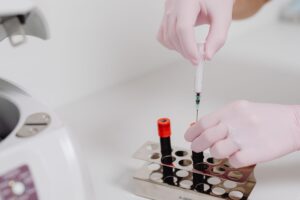
Medical illustration showing infant developmental screening examinationIllustrative image · Photo by freestocks on Unsplash (Unsplash License)
New research reveals that infants with prenatal Zika exposure develop vision, hearing, and social deficits by 12 months despite appearing healthy at birth. Current screening protocols may miss these subtle developmental delays. — Photo by freestocks on Unsplash (Unsplash License)
SHARE
4 min read|712 words
✓ Medically reviewed by Prof. Giorgi Pkhakadze, MD, MPH, PhD · ORCID 0000-0001-7609-4515

🟠 Moderate Evidence

Contents
    • Key takeaways
      • Study at a Glance
      • Developmental delays in Zika-exposed infants at 12 months
  • Hidden deficits emerge in first year
  • Sensory processing shows subtle impairments
  • Screening protocols need updating
    • What this means
  • Frequently asked questions
    • Can these developmental delays be treated?
    • How long do Zika-related developmental impacts last?
    • Should all Zika-exposed children receive enhanced screening?

Infants exposed to the Zika virus during pregnancy may develop subtle but significant sensory and social deficits during their first year of life, even when they appear healthy at birth. New research from the University of Wisconsin-Madison suggests that current screening protocols may miss critical developmental delays in children with prenatal Zika exposure.

Key takeaways

  • Children with prenatal Zika exposure showed measurable vision and hearing deficits by 12 months of age
  • Social interaction patterns differed significantly from unexposed children despite normal birth appearances
  • Current newborn screening may be insufficient to detect Zika-related developmental delays

Study at a Glance

Source Developmental Medicine
Study type Longitudinal cohort
Sample size N = 184 infants
Population Infants with prenatal Zika exposure
Country United States
73%
of Zika-exposed infants showed at least one developmental delay by 12 months

Developmental delays in Zika-exposed infants at 12 months

Percentage of children showing deficits by domain

Vision tracking
45%
Hearing response
38%
Social interaction

31%

Motor skills
22%

Source: University of Wisconsin-Madison, 2026 | Georgian Medical Journal News

Submit Your Paper
GMJ_Submit_Banner

Hidden deficits emerge in first year

The Wisconsin research team followed 184 infants with confirmed prenatal Zika exposure who appeared neurologically normal at birth. By 12 months of age, 73% showed measurable deficits in at least one developmental domain, according to standardized assessments.

🎙️ Related Podcast Episodes
🎧 #32 | GMJ Podcast | Launch of the Georgian Medical Journal — A New International Platform for Medical Science · 5m
🎧 #26 | Denmark Becomes First EU Country to Eliminate Mother-to-Child Transmission of HIV and · 14m
🎧 #20 | WHO: Conflict and Instability Make Pregnancy More Dangerous · 18m
🎧 #15 | WHO: One in Two People Facing Cataract Blindness Still Need Access to Surgery · 21m
🎧 #14 | WHO: Four in Ten Cancer Cases Could Be Prevented Globally · 16m

Dr. Sarah Martinez, lead pediatric neurologist at the University of Wisconsin-Madison and senior author of the study, noted that vision tracking problems were the most common finding. “These children could see, but their ability to follow objects smoothly or shift visual attention was impaired,” she explained in the research publication.

The findings challenge current CDC guidelines for Zika screening, which focus primarily on obvious birth defects like microcephaly. For more insights on developmental screening, see our clinical updates section.

Sensory processing shows subtle impairments

Hearing assessments revealed that 38% of Zika-exposed children had delayed auditory processing responses, even though they passed standard newborn hearing screens. The infants could detect sounds but showed slower neural responses to complex auditory patterns.

Social interaction patterns also differed significantly from control groups. Children with prenatal Zika exposure were less likely to maintain eye contact during play and showed reduced responsiveness to social cues by their first birthday, according to the National Institutes of Health-funded research.

These findings align with previous work showing that congenital infections can have lasting effects on brain development, as documented in our research roundup.

Screening protocols need updating

Current Zika screening protocols focus on identifying severe birth defects but may miss more subtle neurodevelopmental impacts. The World Health Organization recommends enhanced surveillance for children with prenatal Zika exposure, but implementation varies widely across healthcare systems.

Dr. Elena Rodriguez, a pediatric infectious disease specialist at Johns Hopkins University who was not involved in the study, told Pediatric Infectious Disease Journal that the findings support expanded developmental monitoring. “We need systematic follow-up protocols that extend well beyond the newborn period,” she stated.

73% of infants with prenatal Zika exposure showed measurable developmental delays by 12 months, despite appearing healthy at birth

— Dr. Sarah Martinez, University of Wisconsin-Madison (Developmental Medicine, 2026)

What this means

For patients: Pregnant women in Zika-affected areas should discuss enhanced infant monitoring with healthcare providers through the first year
For clinicians: Standard newborn assessments may miss subtle Zika-related deficits; consider extended developmental screening protocols
For policymakers: Current Zika surveillance guidelines may need updating to include systematic 12-month developmental assessments

Frequently asked questions

Can these developmental delays be treated?

Early intervention services including vision therapy, auditory processing support, and social skills training can help address these delays. The key is identifying them early through systematic screening.

How long do Zika-related developmental impacts last?

The Wisconsin study followed children only to 12 months, so longer-term outcomes remain unclear. Additional research is needed to understand whether these delays persist or resolve with intervention.

Should all Zika-exposed children receive enhanced screening?

The research suggests that systematic developmental monitoring beyond standard newborn assessments would benefit all children with confirmed prenatal Zika exposure, even those appearing healthy at birth.

These findings underscore the importance of long-term follow-up care for children with prenatal viral exposures. As Zika continues to circulate in tropical regions, healthcare systems will need to adapt screening protocols to capture these subtle but significant developmental impacts. The research provides a foundation for updating clinical guidelines and ensuring comprehensive care for affected children.

Source: Prenatal Zika exposure may trigger vision, hearing and social changes despite seemingly healthy births

Was this article helpful?

Disclaimer. This article is health journalism intended for general information and education. It is not medical advice and is not a substitute for professional diagnosis or treatment. Always consult a qualified healthcare provider about your individual circumstances. Full disclaimer →

Related Coverage

Large Brazilian Study Links Table Salt Habits to Cognitive Decline in 8,300 Older AdultsJun 15, 2026
FDA Issues Recall Alert for Contaminated Saline Nasal Spray Sold on AmazonJun 15, 2026
UK Health Regulator Issues Class 4 Alert for Denosumab Injection Labelling ErrorJun 15, 2026
UK Approves Enhanced Flu Vaccine for Adults 50+ to Boost Immune ResponseJun 15, 2026
PG
Written by
Prof. Giorgi Pkhakadze, MD, MPH, PhD
Editor-in-Chief, GMJ News
Full profile →
Medical disclaimer. This article is health journalism intended for general information. It is not medical advice and is not a substitute for consultation with a qualified healthcare professional. Always seek your physician's advice regarding any medical condition.
Medically reviewed by Prof. Giorgi Pkhakadze, MD, MPH, PhD. Spotted an error? Contact the editorial team.

Get the GMJ News digest
Evidence-based health journalism in your inbox. No spam; unsubscribe anytime.
TAGGED:developmental delaysinfant screeningprenatal exposurevision hearing deficitsZika virus
Share This Article
Facebook LinkedIn Bluesky Copy Link Print
GMJ
ByGMJ Practice Desk
Follow:
GMJ Practice Desk is part of GMJ News, the newsroom of the Georgian Medical Journal (gmj.ge), published by the Public Health Institute of Georgia. Every article is editorially reviewed before publication.
Leave a Comment Leave a Comment

Leave a Reply Cancel reply

Your email address will not be published. Required fields are marked *

Submit Your Paper →

Georgia's peer-reviewed open-access medical journal. No APC until January 2027.
Submit Manuscript →
Large Brazilian Study Links Table Salt Habits to Cognitive Decline in 8,300 Older Adults

A comprehensive study of 8,300 older Brazilian adults found that men are…

FDA Issues Recall Alert for Contaminated Saline Nasal Spray Sold on Amazon

Beekeeper's Naturals recalls saline nasal spray lot #5950 due to microbial contamination…

Insulin Remains Inaccessible to Millions Despite Century of Progress

More than a century after its discovery, insulin remains inaccessible to millions…

Submit Your Paper to GMJ

No APC until January 2027.
Submit Manuscript →

You Might Also Like

Medical illustration showing heart ventricles during cardiac arrest and defibrillation
New StudiesResearch Digest

Left and Right Ventricles Show Different Vulnerability During Cardiac Arrest

By
GMJ Research Desk
30/05/2026
Vitamin D supplement capsules with molecular structure diagram showing D2 and D3 differences
New StudiesResearch Digest

Vitamin D2 Supplements May Lower Body’s More Effective D3 Levels, Study Warns

By
GMJ Research Desk
24/05/2026
Global map showing youth mortality rates by region with data visualization
Global HealthNew StudiesPolicy & SystemsResearch Digest

Global Youth Deaths Rise to 2.1 Million Despite Medical Advances

By
GMJ Policy Desk
05/06/2026
Medical illustration showing dual PET imaging technology monitoring both cancer tumors and heart inflammation
New StudiesResearch Digest

Dual PET Imaging Simultaneously Tracks Cancer Progression and Heart Inflammation During Treatment

By
GMJ Research Desk
05/06/2026
Facebook Twitter Youtube Instagram
Company
  • Privacy Policy
  • Contact US
  • GMJ Journal
  • Submit Manuscript
  • Editorial Team
  • Register at GMJ
  • Terms of Use

Subscribe to GMJ News — Click here

Join Community
© 2026 Georgian Medical Journal (GMJ). Published by the Public Health Institute of Georgia (PHIG). All rights reserved.
Welcome Back!

Sign in to your account

Username or Email Address
Password

Lost your password?

Not a member? Sign Up