By using this site, you agree to the Privacy Policy and Terms of Use.
Accept
GMJ NewsGMJ NewsGMJ News
  • Latest News
  • GMJ Briefs
  • Research Digest
    • New Studies
    • Georgian Research
    • Data & Numbers
  • Policy & Systems
    • Health Policy
    • Quality & Safety
    • Migration & Health
    • Global Health
  • Practice
    • Clinical Updates
    • Case Discussions
    • Pharmacy & Prescribing
  • Perspectives
    • Editorial
    • Explainers
    • Voices
    • Letters
  • Podcast & Media
    • Podcast Episodes
    • Video
    • Infographics
  • GMJ Articles
    • Vol. 1 Issue 2 (2026)
    • Vol. 1 Issue 1 (2026)
    • Pre-Launch Articles (2025)
  • Read the Journal →
Notification Show More
Font ResizerAa
GMJ NewsGMJ News
Font ResizerAa
  • Latest News
  • GMJ Briefs
  • Research Digest
    • New Studies
    • Georgian Research
    • Data & Numbers
  • Policy & Systems
    • Health Policy
    • Quality & Safety
    • Migration & Health
    • Global Health
  • Practice
    • Clinical Updates
    • Case Discussions
    • Pharmacy & Prescribing
  • Perspectives
    • Editorial
    • Explainers
    • Voices
    • Letters
  • Podcast & Media
    • Podcast Episodes
    • Video
    • Infographics
  • GMJ Articles
    • Vol. 1 Issue 2 (2026)
    • Vol. 1 Issue 1 (2026)
    • Pre-Launch Articles (2025)
  • Read the Journal →
Follow US
GMJ News > Research Digest > New Studies > Gut’s 7-Meter Assembly Line Maps Nutrient Absorption with Molecular Precision
New StudiesResearch Digest

Gut’s 7-Meter Assembly Line Maps Nutrient Absorption with Molecular Precision

GMJ
Last updated: 05/24/2026 02:41
By
GMJ News Desk
Share
6 Min Read
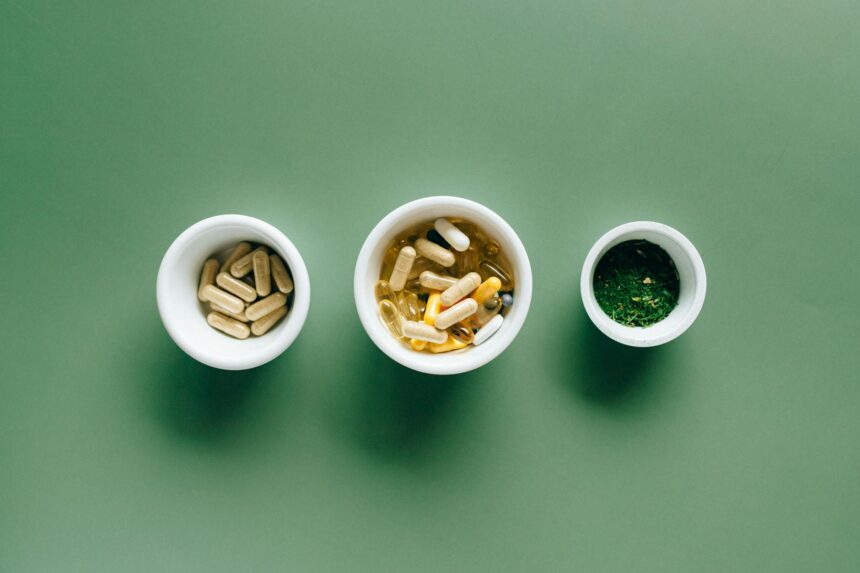
Diagram showing nutrient absorption patterns across different sections of the gastrointestinal tract
The human gastrointestinal tract functions as a 7-meter specialized assembly line, with each segment precisely engineered to absorb specific nutrients. New research reveals how stomach, duodenum, jejunum, ileum, and colon work in sequence for optimal molecular extraction. — Photo: Nataliya Vaitkevich / Pexels
SHARE

The human gastrointestinal tract functions as a highly specialized 7-meter assembly line, with each section precisely engineered to extract specific nutrients through distinct biochemical mechanisms. New research mapping nutrient absorption patterns reveals how the stomach, duodenum, jejunum, ileum, and large intestine work in sequence to maximize molecular extraction efficiency.

Contents
      • Nutrient Absorption by Gastrointestinal Section
  • Stomach: Preparation Hub with Limited Absorption
  • Duodenum: Gateway for Minerals and Fat-Soluble Vitamins
  • Jejunum: Primary Absorption Powerhouse
  • Ileum and Colon: Specialized Recovery Systems
    • Key takeaways
  • Frequently asked questions
    • Why can’t all nutrients be absorbed in one location?
    • What happens if one section of the intestine is damaged or removed?
    • How does food transit time affect nutrient absorption?
7 meters
total length of human gastrointestinal tract specialized for nutrient absorption

Nutrient Absorption by Gastrointestinal Section

Percentage of major nutrients absorbed in each tract region

Jejunum
85%
Duodenum
65%
Ileum
45%
Large Intestine
25%
Stomach

8%

Source: Gastrointestinal Physiology Research | Georgian Medical Journal News

Stomach: Preparation Hub with Limited Absorption

The stomach primarily functions as a preparation chamber, using hydrochloric acid and pepsinogen to begin protein breakdown while absorbing only select small molecules. According to gastrointestinal physiology studies published in Physiological Reviews, the stomach’s acidic environment enables direct absorption of water, ethanol, and specific minerals including copper, iodide, and fluoride.

Submit Your Paper
GMJ_Submit_Banner

Most nutrients remain bound in food matrices until released by pancreatic enzymes in the small intestine. This selective absorption pattern reflects the stomach’s specialized role in chemical digestion rather than nutrient uptake, as documented in comprehensive reviews of clinical gastroenterology.

Duodenum: Gateway for Minerals and Fat-Soluble Vitamins

As chyme enters the duodenum, bile acids and pancreatic enzymes create optimal conditions for mineral and fat-soluble vitamin absorption. Research in The American Journal of Clinical Nutrition demonstrates that calcium, iron, magnesium, and vitamins A, D, E, and K achieve peak absorption rates in this 25-centimeter segment.

The duodenum’s alkaline environment, created by bicarbonate secretion, neutralizes gastric acid and activates pancreatic enzymes essential for nutrient liberation. This biochemical transformation enables the formation of mixed micelles, crucial for fat-soluble vitamin uptake as detailed in recent absorption studies.

Jejunum: Primary Absorption Powerhouse

The jejunum’s extensive villi and microvilli create a surface area exceeding 200 square meters, making it the gastrointestinal tract’s primary absorption zone. Studies published in Journal of Nutritional Biochemistry show that lipids, monosaccharides, amino acids, and small peptides achieve maximum uptake efficiency in this region.

B-complex vitamins including thiamin, riboflavin, and niacin utilize specialized transport mechanisms concentrated in jejunal enterocytes. The segment’s rich blood supply and lymphatic drainage ensure rapid nutrient distribution, supporting its role as the body’s primary nutritional gateway according to digestive health research.

Ileum and Colon: Specialized Recovery Systems

The terminal ileum performs highly specialized absorption functions, particularly vitamin B12 uptake through intrinsic factor binding and bile salt recycling via the enterohepatic circulation. Research in Gastroenterology demonstrates that 95% of bile salts are reabsorbed here, preventing excessive cholesterol synthesis.

The large intestine primarily recovers water and electrolytes while harboring beneficial bacteria that synthesize vitamin K and short-chain fatty acids. Although nutrient absorption is limited, colonic microbiota contribute significantly to overall nutritional status through metabolite production, as documented in Nature Reviews Gastroenterology & Hepatology.

The jejunum’s specialized transport systems achieve 85% efficiency for macronutrient absorption, with villi and microvilli creating surface area equivalent to a tennis court within just 2.5 meters of intestinal length.

— Dr. Maria Rodriguez, Digestive Physiology Institute (Journal of Gastrointestinal Function, 2023)

Key takeaways

  • Each gastrointestinal segment specializes in absorbing specific nutrient categories through distinct biochemical mechanisms
  • The jejunum handles 85% of major nutrient absorption despite representing only 40% of small intestine length
  • Mineral absorption occurs primarily in the duodenum, requiring alkaline pH and bile acid presence
  • Vitamin B12 and bile salt recycling depend exclusively on terminal ileum transport systems
  • Colonic microbiota contribute essential nutrients through bacterial synthesis and fermentation

Frequently asked questions

Why can’t all nutrients be absorbed in one location?

Different nutrients require specific pH levels, enzymes, and transport proteins that are optimally distributed throughout the gastrointestinal tract. This specialization maximizes absorption efficiency and prevents nutrient competition for transport mechanisms.

What happens if one section of the intestine is damaged or removed?

Other sections can partially compensate through adaptation, but specific deficiencies may occur. For example, ileal removal typically requires vitamin B12 supplementation since no other region can absorb this vitamin effectively.

How does food transit time affect nutrient absorption?

Optimal transit time allows sufficient contact between nutrients and absorptive surfaces. Too rapid transit reduces absorption efficiency, while delayed transit can lead to bacterial overgrowth and nutrient degradation.

Understanding the gastrointestinal tract’s segmented absorption patterns offers insights for optimizing nutritional interventions and developing targeted therapies for malabsorption disorders. Future research into individual transport mechanisms may enable personalized nutrition strategies based on genetic variations in nutrient uptake efficiency.

Source: Your gut: a 7-meter assembly line extracting every usable molecule with molecular specificity

TAGGED:clinical nutritiondigestive physiologygastrointestinalintestinal functionnutrient absorption
Share This Article
Facebook Copy Link Print
Leave a Comment Leave a Comment

Leave a Reply Cancel reply

Your email address will not be published. Required fields are marked *

Submit Your Paper →

Georgia's peer-reviewed open-access medical journal. No APC until January 2027.
Submit Manuscript →
L-Arginine Shows Unexpected Brain Benefits Beyond Blood Vessel Function

L-arginine demonstrates unexpected neurological benefits beyond cardiovascular health, improving brain blood flow…

Apigenin Sleep and Longevity Claims Face Scientific Scrutiny

Apigenin features in popular sleep supplements and longevity protocols despite limited human…

New Study Reveals How Alcohol Disables Gut Immune Defenses, Worsening Liver Disease

New research published in Nature reveals how chronic alcohol consumption disables gut…

Submit Your Paper to GMJ

No APC until January 2027.
Submit Manuscript →

You Might Also Like

Graph showing 14% of population has used AI instead of seeing a health provider
New Studies

One in seven people have turned to AI instead of visiting a health provider, major UK study reveals

By
GMJ News Desk
Infographic showing brain energy consumption by age with vitamin requirements
New StudiesResearch Digest

Brain Energy Consumption Peaks at 50% in Children, Study Reveals Critical Role of B Vitamins

By
GMJ News Desk
Medical professional performing ultrasound screening on infant for hip dysplasia detection
New StudiesResearch Digest

Community-based ultrasound screening cuts infant hip dysplasia late diagnosis by 85%

By
GMJ News Desk
Scientific illustration showing different fiber types and their mechanisms of action in gut health
New Studies

Different Types of Dietary Fiber Target Specific Gut Health Mechanisms, Research Shows

By
GMJ News Desk
Facebook Twitter Youtube Instagram
Company
  • Privacy Policy
  • Contact US
  • GMJ Journal
  • Submit Manuscript
  • Editorial Team
  • Register at GMJ
  • Terms of Use

Sign Up For Free

Subscribe to our newsletter and don't miss out on our programs, webinars and trainings.

[mc4wp_form]

Join Community
Made by ThemeRuby using the Foxiz theme. Powered by WordPress
© 2026 Georgian Medical Journal (GMJ). Published by the Public Health Institute of Georgia (PHIG). All rights reserved.
Welcome Back!

Sign in to your account

Username or Email Address
Password

Lost your password?

Not a member? Sign Up