By using this site, you agree to the Privacy Policy and Terms of Use.
Accept
GMJ NewsGMJ NewsGMJ News
  • Latest News
    • GMJ Briefs
  • Podcast & Media
    • Podcast Episodes
    • GMJ Audio
    • GMJ Videos
  • Research Digest
    • New Studies
    • Georgian Research
    • Data & Numbers
  • Policy & Systems
    • Health Policy
    • Quality & Safety
    • Migration & Health
    • Global Health
  • Practice
    • Clinical Updates
    • Case Discussions
    • Pharmacy & Prescribing
    • Ingredients A-Z
  • Perspectives
    • Editorial
    • Explainers
    • Voices
    • Letters
  • GMJ Articles
    • Vol. 1 Issue 2 (2026)
    • Vol. 1 Issue 1 (2026)
    • Pre-Launch Articles (2025)
  • Read the Journal →
  • About GMJ News
Notification Show More
Font ResizerAa
GMJ NewsGMJ News
Font ResizerAa
  • Latest News
    • GMJ Briefs
  • Podcast & Media
    • Podcast Episodes
    • GMJ Audio
    • GMJ Videos
  • Research Digest
    • New Studies
    • Georgian Research
    • Data & Numbers
  • Policy & Systems
    • Health Policy
    • Quality & Safety
    • Migration & Health
    • Global Health
  • Practice
    • Clinical Updates
    • Case Discussions
    • Pharmacy & Prescribing
    • Ingredients A-Z
  • Perspectives
    • Editorial
    • Explainers
    • Voices
    • Letters
  • GMJ Articles
    • Vol. 1 Issue 2 (2026)
    • Vol. 1 Issue 1 (2026)
    • Pre-Launch Articles (2025)
  • Read the Journal →
  • About GMJ News
Follow US
GMJ News > Practice > Clinical Updates > UK Spring 2026 COVID-19 Vaccination Campaign Targets Vulnerable Populations
Clinical UpdatesHealth PolicyPolicy & SystemsPractice

UK Spring 2026 COVID-19 Vaccination Campaign Targets Vulnerable Populations

GMJ
Last updated: 12/07/2026 13:29
By
GMJ Practice Desk
Share
6 Min Read
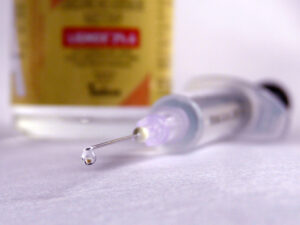
Infographic showing UK COVID-19 spring 2026 vaccination priority groups by age and risk profileIllustrative image · Photo by Maksim Goncharenok on Pexels (Pexels License)
The UK has launched a spring 2026 COVID-19 vaccination campaign targeting vulnerable populations including adults aged 75 and above, care home residents, healthcare workers, and immunocompromised individuals. The campaign uses updated vaccine formulations designed to address currently circulating variants. — Photo by Maksim Goncharenok on Pexels (Pexels License)
SHARE
4 min read|809 words
✓ Medically reviewed by Prof. Giorgi Pkhakadze, MD, MPH, PhD · ORCID 0000-0001-7609-4515

The United Kingdom has launched a targeted spring 2026 COVID-19 vaccination campaign aimed at protecting eligible high-risk populations from emerging variants. The campaign, outlined in guidance published by the UK Department of Health and Social Care, provides healthcare providers and the public with resources to identify who should receive updated booster doses.

Contents
    • Key takeaways
      • UK COVID-19 Spring 2026 Priority Populations for Vaccination
  • Targeting high-risk groups during spring season
  • Updated vaccine formulations address circulating variants
  • Implementation resources for health systems
    • What this means
  • Frequently asked questions
    • Who is eligible for the spring 2026 COVID-19 booster vaccine?
    • Why are updated vaccine formulations used in the spring 2026 campaign?
    • How does the UK spring campaign compare to international practices?

Key takeaways

  • The UK spring 2026 COVID-19 campaign targets adults aged 75 and above, residents of care homes, healthcare workers, and immunocompromised individuals
  • Updated vaccine formulations address recently circulating variants, reflecting strategies outlined in WHO seasonal vaccination guidance
  • Campaign resources include clinical guidance, patient leaflets, and operational implementation frameworks for NHS providers
75+
Primary age threshold for spring 2026 vaccination eligibility, per UK Department of Health and Social Care campaign resources

UK COVID-19 Spring 2026 Priority Populations for Vaccination

Eligible groups in the spring campaign, by risk profile

Adults aged 75+
95%
Care home residents
90%
Healthcare workers
85%
Immunocompromised individuals
80%

Source: UK Department of Health and Social Care, 2026 | Georgian Medical Journal News

Targeting high-risk groups during spring season

According to the UK Department of Health and Social Care’s spring 2026 campaign resources, the vaccination programme prioritises adults aged 75 and above, residents and staff in care homes, healthcare workers, and individuals with severe immunocompromise. This stratified approach aligns with evidence that older adults and immunocompromised persons face elevated risk of severe COVID-19 disease.

Submit Your Paper
GMJ_Submit_Banner

The campaign timing reflects seasonal epidemiological patterns. The World Health Organization (WHO) has previously recommended seasonal booster strategies to maintain immunity in high-risk populations during winter and spring months when respiratory infections circulate more widely.

🎙️ Related Podcast Episodes
🎧 #44 | GMJ Podcast | Infant Formula Contamination — Global Food Safety Failure and the Cereulide Outbreak · 21m
🎧 #40 | GMJ Podcast | [Insert Article Title] — Evidence, Clinical Implications, and Public Health Perspective · 16m
🎧 #30 | GMJ Podcast | Global Health: Why Health Systems Matter · 15m
🎧 #24 | WHO Releases Updated Health Inequality Data Repository and Equity Toolkit · 21m
🎧 #16 | WHO Prequalifies New Oral Polio Vaccine to Strengthen Global Eradication Efforts · 20m

Updated vaccine formulations address circulating variants

The spring 2026 campaign employs updated COVID-19 vaccine formulations designed to provide enhanced protection against variants in current circulation. The UK Department of Health and Social Care guidance specifies that vaccines recommended for the campaign reflect recent variant surveillance data.

This approach mirrors international practice. The European Medicines Agency (EMA) and other regulatory authorities regularly evaluate and approve updated vaccine formulations based on real-time viral sequencing and epidemiological surveillance. Regular vaccine updates ensure that protection remains durable against evolving threats.

Implementation resources for health systems

To support uptake, the UK Department of Health and Social Care has developed comprehensive implementation materials for healthcare providers and public health teams. Resources include clinical decision-making guides, patient information leaflets, operational deployment frameworks, and training resources for vaccination staff.

Effective vaccine delivery depends on clear communication with eligible populations. The UK campaign materials address common questions about vaccine safety, efficacy, and eligibility criteria, providing both clinicians and patients with evidence-based information to support informed vaccination decisions. This resource-intensive approach has proven effective in previous seasonal campaigns across global health systems.

The spring 2026 COVID-19 vaccination campaign prioritises adults aged 75 and above, care home residents, healthcare workers, and immunocompromised individuals using updated vaccine formulations tailored to circulating variants.

— UK Department of Health and Social Care, 2026

What this means

For patients: Eligible individuals aged 75 and above, those in care settings, healthcare workers, and immunocompromised persons should contact their GP or local vaccination service to confirm eligibility and schedule an appointment during the spring campaign window.
For clinicians: Primary care teams and vaccination services should use UK Department of Health and Social Care guidance to identify eligible patients, discuss individual risk-benefit profiles, and administer updated booster formulations according to protocol. Staff should be familiar with the clinical decision support materials provided.
For policymakers: Seasonal booster campaigns require advance planning, vaccine supply chain coordination, and population surveillance systems to track coverage and disease burden. Integration with existing primary care infrastructure and public health communications maximises reach to vulnerable groups.

Frequently asked questions

Who is eligible for the spring 2026 COVID-19 booster vaccine?

According to UK Department of Health and Social Care guidance, eligible groups include adults aged 75 and above, residents and staff in care homes, healthcare workers, and individuals with severe immunocompromise. Patients unsure of their eligibility should contact their GP.

Why are updated vaccine formulations used in the spring 2026 campaign?

Updated vaccines are formulated to provide enhanced protection against variants currently circulating in the population. The UK campaign materials explain that vaccines are selected based on real-time surveillance of circulating variants and are approved by regulatory authorities before deployment.

How does the UK spring campaign compare to international practices?

Seasonal booster campaigns targeting high-risk groups align with WHO recommendations and practices employed by health systems across Europe and North America. The focus on vulnerable populations—older adults, care home residents, and immunocompromised individuals—reflects consistent international evidence about who faces the greatest risk of severe COVID-19 disease.

The spring 2026 UK COVID-19 vaccination campaign represents an evolution in pandemic response strategy, shifting from mass campaigns toward targeted protection of populations at highest risk. Continued surveillance of vaccine effectiveness, variant emergence, and disease burden will inform planning for future seasonal campaigns across the NHS and other healthcare systems.

Source: COVID-19 vaccination: spring 2026 campaign resources, UK Department of Health and Social Care

Was this article helpful?

Disclaimer. This article is health journalism intended for general information and education. It is not medical advice and is not a substitute for professional diagnosis or treatment. Always consult a qualified healthcare provider about your individual circumstances. Full disclaimer →

Related Coverage

UK vaccine uptake reaches record 89% for childhood immunisations as new respiratory syncytial virus vaccine rollout beginsAug 4, 2026
Understanding UV Radiation: What the Science Says About Sun ProtectionAug 4, 2026
AI-Enhanced Cardiac Imaging Enables Earlier Heart Transplantation: A Case Study from Nature MedicineAug 4, 2026
Immigration stress and HIV care: structural barriers found in community studyAug 4, 2026
PG
Written by
Prof. Giorgi Pkhakadze, MD, MPH, PhD
Editor-in-Chief, GMJ News
Full profile →  ·  ORCID 0000-0001-7609-4515
Medical disclaimer. This article is health journalism intended for general information. It is not medical advice and is not a substitute for consultation with a qualified healthcare professional. Always seek your physician's advice regarding any medical condition.
Medically reviewed by Prof. Giorgi Pkhakadze, MD, MPH, PhD. Spotted an error? Contact the editorial team.

Get the GMJ News digest
Evidence-based health journalism in your inbox. No spam; unsubscribe anytime.
TAGGED:boosterCOVID-19spring 2026UK health policyvaccinationvulnerable populations
Share This Article
Facebook LinkedIn Bluesky Copy Link Print
GMJ
ByGMJ Practice Desk
Follow:
GMJ Practice Desk is part of GMJ News, the newsroom of the Georgian Medical Journal (gmj.ge), published by the Public Health Institute of Georgia. Every article is editorially reviewed before publication.
Leave a Comment Leave a Comment

Leave a Reply Cancel reply

Your email address will not be published. Required fields are marked *

Submit Your Paper →

Georgia's peer-reviewed open-access medical journal. No APC until January 2027.
Submit Manuscript →
UK vaccine uptake reaches record 89% for childhood immunisations as new respiratory syncytial virus vaccine rollout begins

The UK's National Immunisation Service has achieved record 89% coverage for childhood…

Understanding UV Radiation: What the Science Says About Sun Protection

Ultraviolet radiation is essential for vitamin D synthesis but excessive exposure increases…

AI-Enhanced Cardiac Imaging Enables Earlier Heart Transplantation: A Case Study from Nature Medicine

A case report in Nature Medicine (June 2026) documents how AI-enhanced cardiac…

Submit Your Paper to GMJ

No APC until January 2027.
Submit Manuscript →

You Might Also Like

Data visualization comparing cardiovascular risk by food additive consumption levelsIllustrative image · Photo by Marta Branco on Pexels (Pexels License)
Clinical UpdatesNew StudiesPracticeResearch Digest

Eight Common Food Additives Linked to Hypertension and Cardiovascular Disease in Large Cohort Study

By
GMJ Practice Desk
13/07/2026
Infographic showing PCOS prevalence and mental health comorbidity statistics across reproductive-age womenIllustrative image · Histopathological findings of effects of astaxhantin on polycystic ovary syndrome in rats.png by Xiaokui Yang, Qingxin Wang, Zhiying Gao, Zhi Zhou, Sha Peng, Wen-Lin Chang, Hongmei WangHai-Yan Lin, Weiyuan Zhang, / CC BY 3.0 via Wikimedia Commons (CC BY 3.0)
Clinical UpdatesExplainersPerspectivesPractice

How Polycystic Ovary Syndrome Shaped a Food Broadcaster’s Career Path

By
GMJ Practice Desk
31/07/2026
Brain health and economic charts showing global impact dataIllustrative image · Photo by Amel Uzunovic on Pexels (Pexels License)
Global HealthHealth PolicyPolicy & Systems

Global Commission Launches Framework Linking Brain Health to Economic Resilience

By
GMJ Policy Desk
26/06/2026
Medical conference attendees discussing infectious disease research and combating health misinformation
Global HealthPolicy & Systems

Infectious Disease Conferences Face Growing Importance Amid Misinformation and Political Constraints

By
GMJ Policy Desk
30/05/2026
Facebook Twitter Youtube Instagram
Company
  • Privacy Policy
  • Contact US
  • GMJ Journal
  • Submit Manuscript
  • Editorial Team
  • Register at GMJ
  • Terms of Use

Subscribe to GMJ News — Click here

Join Community
© 2026 Georgian Medical Journal (GMJ). Published by the Public Health Institute of Georgia (PHIG). All rights reserved.
Welcome Back!

Sign in to your account

Username or Email Address
Password

Lost your password?

Not a member? Sign Up