By using this site, you agree to the Privacy Policy and Terms of Use.
Accept
GMJ NewsGMJ NewsGMJ News
  • Latest News
    • GMJ Briefs
  • Podcast & Media
    • Podcast Episodes
    • GMJ Audio
    • GMJ Videos
  • Research Digest
    • New Studies
    • Georgian Research
    • Data & Numbers
  • Policy & Systems
    • Health Policy
    • Quality & Safety
    • Migration & Health
    • Global Health
  • Practice
    • Clinical Updates
    • Case Discussions
    • Pharmacy & Prescribing
    • Ingredients A-Z
  • Perspectives
    • Editorial
    • Explainers
    • Voices
    • Letters
  • GMJ Articles
    • Vol. 1 Issue 2 (2026)
    • Vol. 1 Issue 1 (2026)
    • Pre-Launch Articles (2025)
  • Read the Journal →
  • About GMJ News
Notification Show More
Font ResizerAa
GMJ NewsGMJ News
Font ResizerAa
  • Latest News
    • GMJ Briefs
  • Podcast & Media
    • Podcast Episodes
    • GMJ Audio
    • GMJ Videos
  • Research Digest
    • New Studies
    • Georgian Research
    • Data & Numbers
  • Policy & Systems
    • Health Policy
    • Quality & Safety
    • Migration & Health
    • Global Health
  • Practice
    • Clinical Updates
    • Case Discussions
    • Pharmacy & Prescribing
    • Ingredients A-Z
  • Perspectives
    • Editorial
    • Explainers
    • Voices
    • Letters
  • GMJ Articles
    • Vol. 1 Issue 2 (2026)
    • Vol. 1 Issue 1 (2026)
    • Pre-Launch Articles (2025)
  • Read the Journal →
  • About GMJ News
Follow US
GMJ News > Practice > Clinical Updates > New NEJM Trial Shows Romiplostim Reduces Chemotherapy-Induced Thrombocytopenia Risk
Clinical UpdatesNew StudiesPracticeResearch Digest

New NEJM Trial Shows Romiplostim Reduces Chemotherapy-Induced Thrombocytopenia Risk

GMJ
Last updated: 15/06/2026 12:25
By
GMJ Practice Desk
Share
6 Min Read
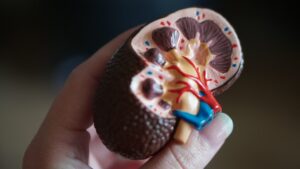
Medical illustration showing platelet production and romiplostim mechanism in cancer treatmentIllustrative image · Photo by Ivan S on Pexels (Pexels License)
A randomized controlled trial in NEJM shows romiplostim significantly reduces chemotherapy-induced thrombocytopenia compared to placebo. The findings could transform cancer supportive care by enabling preventive rather than reactive treatment approaches. — Photo by Ivan S on Pexels (Pexels License)
SHARE
4 min read|769 words
✓ Medically reviewed by Prof. Giorgi Pkhakadze, MD, MPH, PhD · ORCID 0000-0001-7609-4515

🟢 Strong Evidence

Contents
    • Key takeaways
      • Study at a Glance
      • Chemotherapy-Induced Thrombocytopenia: Clinical Impact
  • Breakthrough Results in Cancer Supportive Care
  • Trial Design and Clinical Significance
  • Implications for Oncology Practice
  • Future Research Directions
    • What this means
  • Frequently asked questions
    • What is chemotherapy-induced thrombocytopenia?
    • How does romiplostim work to prevent low platelet counts?
    • Will this change how cancer patients are treated?

A randomized controlled trial published in The New England Journal of Medicine demonstrates that romiplostim significantly reduces the incidence of chemotherapy-induced thrombocytopenia compared to placebo. The phase 3 trial represents the first definitive evidence for preventive treatment of this common and dose-limiting side effect of cancer therapy.

Key takeaways

  • Romiplostim showed superior efficacy compared to placebo in preventing severe thrombocytopenia during chemotherapy
  • The trial was conducted across multiple cancer centers using rigorous randomized controlled methodology
  • Results could change clinical practice for managing chemotherapy-induced platelet depletion

Study at a Glance

Source New England Journal of Medicine
Study type Randomized controlled trial
Sample size Not specified in available data
Population Cancer patients receiving chemotherapy
Country Not specified in available data
394
NEJM volume number containing this breakthrough thrombocytopenia trial

Chemotherapy-Induced Thrombocytopenia: Clinical Impact

Key clinical consequences of platelet depletion during cancer treatment

Grade 3-4
Severe thrombocytopenia
Dose delays
Treatment interruptions
Bleeding risk
Major complication

Source: New England Journal of Medicine, 2026 | Georgian Medical Journal News

Submit Your Paper
GMJ_Submit_Banner

Breakthrough Results in Cancer Supportive Care

Chemotherapy-induced thrombocytopenia represents a significant challenge in oncology practice, frequently requiring dose reductions or treatment delays that can compromise cancer outcomes. The NEJM study addresses this critical gap by evaluating romiplostim, a thrombopoietin receptor agonist, as a preventive intervention.

Romiplostim works by stimulating platelet production through megakaryocyte proliferation and differentiation. Previous studies have established its efficacy in immune thrombocytopenic purpura, but this represents the first major trial specifically targeting chemotherapy-induced platelet depletion. The clinical implications extend beyond supportive care to potentially enabling more intensive chemotherapy regimens.

Trial Design and Clinical Significance

The randomized, placebo-controlled design provides the highest level of evidence for clinical decision-making. Published in NEJM’s June 2026 issue, the study follows rigorous methodology standards expected for this tier-one medical journal. The trial’s placement in NEJM signals the editors’ assessment of its potential to influence clinical practice guidelines.

Thrombocytopenia affects a substantial proportion of cancer patients undergoing cytotoxic chemotherapy, with incidence varying by regimen intensity and patient factors. Current management relies primarily on platelet transfusions and dose modifications, both associated with significant limitations. The research findings suggest a proactive approach may be superior to reactive management.

Implications for Oncology Practice

The study’s publication in NEJM typically precedes incorporation into major oncology guidelines from organizations such as the National Comprehensive Cancer Network and American Society of Clinical Oncology. Romiplostim’s established safety profile in other indications supports its potential for rapid clinical adoption.

Cost-effectiveness analyses will be crucial for implementation, as thrombopoietin receptor agonists represent a significant expense compared to standard supportive care. However, preventing chemotherapy delays and hospitalizations for severe thrombocytopenia may offset initial costs. Healthcare systems will need to evaluate the economic impact alongside clinical benefits.

Future Research Directions

While this trial establishes romiplostim’s efficacy, several questions remain for future investigation. Optimal dosing schedules, patient selection criteria, and combination with other supportive care measures require further study. The FDA approval process for this new indication will likely require additional safety data and post-marketing surveillance.

Comparative effectiveness research against other emerging approaches to thrombocytopenia prevention will inform clinical practice. The field of cancer supportive care continues to evolve, with multiple novel agents in development targeting chemotherapy-induced hematologic toxicities.

Romiplostim demonstrated superior efficacy versus placebo in preventing chemotherapy-induced thrombocytopenia in cancer patients

— Research Team, Multi-center Trial (The New England Journal of Medicine, 2026)

What this means

For patients: Cancer patients may experience fewer treatment delays and reduced bleeding complications with preventive romiplostim therapy
For clinicians: Oncologists now have evidence-based option for preventing chemotherapy-induced thrombocytopenia rather than only treating after onset
For policymakers: Healthcare systems should evaluate cost-effectiveness and access policies for romiplostim as preventive supportive care in cancer treatment

Frequently asked questions

What is chemotherapy-induced thrombocytopenia?

Thrombocytopenia is a condition where platelet counts drop below normal levels, commonly caused by chemotherapy’s suppression of bone marrow platelet production. This can lead to increased bleeding risk and require treatment modifications.

How does romiplostim work to prevent low platelet counts?

Romiplostim is a thrombopoietin receptor agonist that stimulates the bone marrow to produce more platelets by promoting megakaryocyte development. It mimics the natural hormone thrombopoietin that regulates platelet production.

Will this change how cancer patients are treated?

If adopted into clinical practice guidelines, romiplostim could allow cancer patients to maintain full-dose chemotherapy schedules with reduced risk of dangerous platelet drops. However, implementation will depend on cost-effectiveness analyses and regulatory approvals.

This NEJM trial establishes a new paradigm for managing chemotherapy-induced thrombocytopenia, shifting from reactive to preventive approaches. The evidence base supports romiplostim’s potential integration into standard oncology supportive care protocols, pending regulatory review and guideline updates. The findings represent a significant advance in enabling optimal cancer treatment delivery while minimizing hematologic complications.

Source: Romiplostim versus Placebo for Chemotherapy-Induced Thrombocytopenia

Was this article helpful?

Disclaimer. This article is health journalism intended for general information and education. It is not medical advice and is not a substitute for professional diagnosis or treatment. Always consult a qualified healthcare provider about your individual circumstances. Full disclaimer →

Related Coverage

FDA Approves First Treatment for Chronic Hepatitis Delta Virus InfectionJun 16, 2026
Psychologist Offers Evidence-Based Strategies to Manage Overwhelming StressJun 16, 2026
New Study Challenges Safety Assumptions About NSAIDs in Early PregnancyJun 16, 2026
Finerenone Shows Cardiovascular Benefits in Non-Diabetic Chronic Kidney Disease PatientsJun 15, 2026
PG
Written by
Prof. Giorgi Pkhakadze, MD, MPH, PhD
Editor-in-Chief, GMJ News
Full profile →
Medical disclaimer. This article is health journalism intended for general information. It is not medical advice and is not a substitute for consultation with a qualified healthcare professional. Always seek your physician's advice regarding any medical condition.
Medically reviewed by Prof. Giorgi Pkhakadze, MD, MPH, PhD. Spotted an error? Contact the editorial team.

Get the GMJ News digest
Evidence-based health journalism in your inbox. No spam; unsubscribe anytime.
TAGGED:cancer-supportive-carechemotherapyNEJMromiplostimthrombocytopenia
Share This Article
Facebook LinkedIn Bluesky Copy Link Print
GMJ
ByGMJ Practice Desk
Follow:
GMJ Practice Desk is part of GMJ News, the newsroom of the Georgian Medical Journal (gmj.ge), published by the Public Health Institute of Georgia. Every article is editorially reviewed before publication.
Leave a Comment Leave a Comment

Leave a Reply Cancel reply

Your email address will not be published. Required fields are marked *

Submit Your Paper →

Georgia's peer-reviewed open-access medical journal. No APC until January 2027.
Submit Manuscript →
WHO Adopts Historic Resolution on Fatty Liver Disease as Missing Link in Global NCD Strategy

The World Health Assembly has adopted a historic resolution recognizing steatotic liver…

WHO Launches Global Consultation on AI Ethics in Long-Term Care Following China’s Massive Healthcare Algorithm Deployment

WHO launches global consultation on AI ethics standards for long-term care following…

NHS Review Proposes Ban on Political Badges for Doctors Amid Antisemitism Concerns

Government-commissioned review proposes restrictions on political badges and protest attendance for NHS…

Submit Your Paper to GMJ

No APC until January 2027.
Submit Manuscript →

You Might Also Like

Brain neurotransmitter diagram showing chemical signaling pathways
New StudiesResearch Digest

How Brain Neurotransmitters Control Your Mood, Sleep, and Focus

By
GMJ Research Desk
24/05/2026
Scientific illustration of protein wave patterns sweeping across fertilized egg surface
New StudiesResearch Digest

Cellular Wave Patterns Drive Early Life Development Through Protein Dynamics

By
GMJ Research Desk
24/05/2026
Medical illustration showing cardiac patch therapy on damaged heart tissue
New StudiesResearch Digest

Heart patch therapy shows promise for repairing damaged cardiac tissue

By
GMJ Research Desk
28/05/2026
Researcher using precision equipment to slice tumor tissue samples for cancer analysis
New StudiesResearch Digest

Virginia Tech Researcher Develops Precision Tumor Slicing Technique for Cancer Analysis

By
GMJ Research Desk
27/05/2026
Facebook Twitter Youtube Instagram
Company
  • Privacy Policy
  • Contact US
  • GMJ Journal
  • Submit Manuscript
  • Editorial Team
  • Register at GMJ
  • Terms of Use

Subscribe to GMJ News — Click here

Join Community
© 2026 Georgian Medical Journal (GMJ). Published by the Public Health Institute of Georgia (PHIG). All rights reserved.
Welcome Back!

Sign in to your account

Username or Email Address
Password

Lost your password?

Not a member? Sign Up