Updated 14/09/2026
A government-commissioned review into antisemitism in the NHS has proposed that doctors could face restrictions on wearing political badges at work and attending protests in work uniforms. The review, conducted by Labour peer and UK government adviser on antisemitism John Mann, was commissioned following an attack at Heaton Park Synagogue in Manchester in October 2025 and reports of doctors being struck off the medical register for antisemitic comments.
Key takeaways
- Official review proposes strengthened NHS guidance restricting political symbols and protest attendance in uniform
- Jewish NHS staff reported experiencing “routine ostracism” according to the government-commissioned investigation
- Medical leaders express concern over proposed “blanket ban” and question who determines what constitutes “political”
NHS Antisemitism Review Key Findings
Areas of concern identified in government investigation
Source: John Mann Antisemitism Review, 2026 | Georgian Medical Journal News

Review Findings Reveal Systematic Discrimination
The BMJ reports that Mann’s investigation heard testimony from Jewish NHS staff who described experiencing “routine ostracism” within the health service. According to the review findings, Jewish staff were identified as the only religious group reporting this level of systematic workplace discrimination.
The review was prompted by specific incidents, including the October 2025 attack at Heaton Park Synagogue in Manchester and documented cases of medical professionals being removed from the medical register due to antisemitic statements. These events highlighted broader concerns about discrimination within the NHS workforce.
Proposed Uniform and Badge Restrictions Draw Medical Opposition
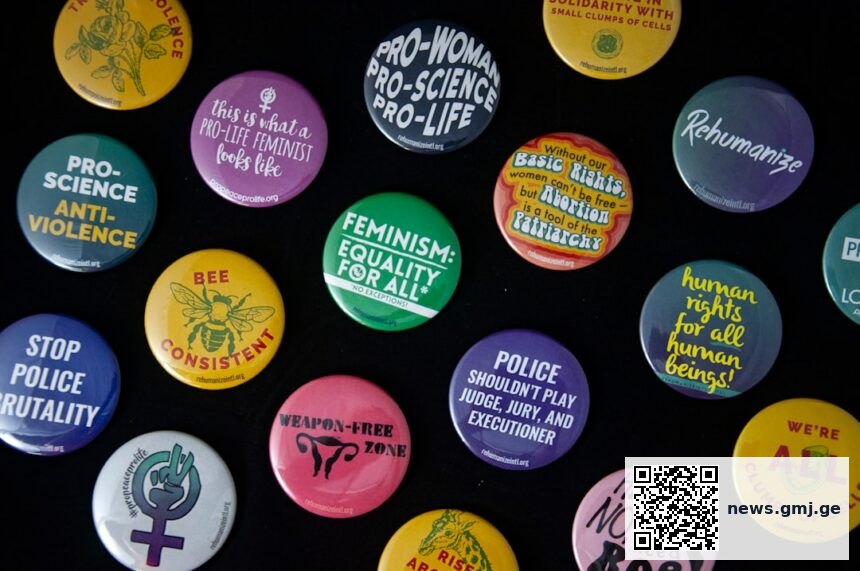
The strengthened official guidance on uniform and workwear for NHS staff would include restrictions on political badges and symbols worn during work hours. Additionally, the proposals would prohibit NHS employees from attending political protests while wearing their work uniforms or identifying clothing.
However, medical leaders have expressed significant concerns about these recommendations. Professional organizations have described some proposals as “deeply concerning,” particularly objecting to what they characterize as a “blanket ban” on all symbols being worn by healthcare workers. Read more about health policy developments affecting medical professionals.
Jewish NHS staff were the only religious group reporting systematic workplace ostracism according to government investigation findings
— John Mann, UK Government Adviser on Antisemitism (BMJ, 2026)
Implementation Questions Remain Unresolved
Medical associations have raised fundamental questions about the practical implementation of the proposed restrictions. Key concerns center on determining what constitutes “political” content and who would be responsible for making such determinations in clinical settings.
The proposals represent a significant shift in NHS workplace policies, potentially affecting how healthcare professionals express personal beliefs and participate in civic activities. The General Medical Council has not yet indicated how such restrictions would be enforced or integrated with existing professional conduct guidelines.
Broader Implications for Healthcare Professional Expression
The review’s recommendations extend beyond antisemitism to address “other forms of racism” across the NHS, suggesting a comprehensive approach to workplace discrimination. This broader scope indicates potential policy changes affecting multiple aspects of professional conduct and expression within the health service.
Healthcare organizations will need to balance protecting staff from discrimination while preserving professional autonomy and freedom of expression. The final implementation of these recommendations awaits further consultation with medical professional bodies and NHS employers.
What this means
Frequently asked questions
What triggered this NHS antisemitism review?
The review was commissioned following an attack at Heaton Park Synagogue in Manchester in October 2025 and reports of doctors being struck off the medical register for antisemitic comments. These incidents highlighted broader discrimination concerns within the NHS.
What specific restrictions are being proposed for NHS staff?
The proposals include banning political badges and symbols during work hours and prohibiting attendance at political protests while wearing NHS uniforms or identifying clothing. The guidance would strengthen existing uniform policies.
Why are medical leaders opposing these recommendations?
Professional organizations describe the proposals as “deeply concerning,” particularly objecting to blanket bans on symbols and questioning who would determine what constitutes “political” content in healthcare settings.
The implementation timeline for these recommendations remains unclear, with further consultation expected between government officials, NHS leadership, and medical professional bodies. The balance between addressing workplace discrimination and maintaining professional expression rights will likely shape the final policy framework affecting thousands of healthcare workers across the UK.
🗺️ Find certified Georgian healthcare providers: sheniekimi.ge — Georgia Health Map · 998 clinics · 6,600+ doctors · 2,296 pharmacies
Was this article helpful?
Disclaimer. This article is health journalism intended for general information and education. It is not medical advice and is not a substitute for professional diagnosis or treatment. Always consult a qualified healthcare provider about your individual circumstances. Full disclaimer →
Related Coverage


Editorial standards. This article was produced under the GMJ News editorial process, with oversight by the GMJ Editorial Board. Our editorial process. Spotted an error? Contact the editorial team.