Updated 13/09/2026
The human nervous system operates as an intricate biological network that governs sensation, movement, cognition, and involuntary functions simultaneously. Understanding its architecture—from sensory pathways to neurotransmitter signalling—reveals how the brain maintains control over every aspect of human physiology and behaviour.
Key takeaways
- The trigeminal pathways transmit facial and sensory information directly to the brain, explaining how toothaches, temperature sensation, and headaches are perceived
- The autonomic nervous system operates in two opposing modes: sympathetic (fight-or-flight) and parasympathetic (rest-and-digest), regulating heart rate, digestion, and breathing without conscious effort
- Neurotransmitters—dopamine, serotonin, GABA, norepinephrine, and glutamate—are chemical messengers that control mood, motivation, sleep, focus, and emotional regulation
- The nervous system comprises three main neuron types: sensory neurons (input), motor neurons (output), and interneurons (processing), all communicating via electrical and chemical signals
The Nervous System’s Dual Control Architecture
How sympathetic and parasympathetic branches regulate opposing physiological states
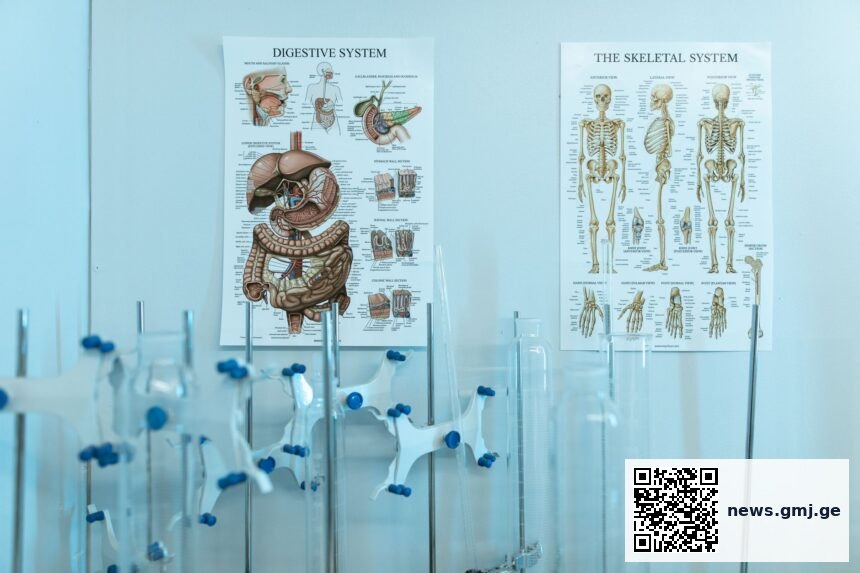
Source: Medical illustration based on autonomic nervous system physiology | Georgian Medical Journal News

The Sensory Superhighway: Trigeminal Pathways
The trigeminal nerve system forms a critical sensory pathway that transmits information from the face, eyes, mouth, scalp, and meninges directly to the brainstem and higher brain centres. This network is responsible for the immediate perception of facial temperature, touch, pain, and pressure—sensations that reach consciousness within milliseconds of stimulus.
When you experience a toothache, feel cold air on your cheek, or develop a tension headache, the trigeminal pathways are actively firing. The trigeminal nerve, the largest of the cranial nerves, contains approximately 100,000 sensory fibres that relay information about facial sensation. According to foundational neuroscience research documented in standard neuroanatomy references, lesions or dysfunction in this system can produce conditions ranging from trigeminal neuralgia (severe facial pain) to migraine headaches.
This sensory system operates largely outside conscious awareness until pain or discomfort triggers attention—a feature that illustrates how the nervous system filters and prioritises incoming information based on threat level and physiological significance.
The Autonomic Nervous System: Your Body’s Automatic Pilot
The autonomic nervous system operates continuously without conscious control, managing functions essential for survival: heart rate, blood pressure, respiration, digestion, sweating, pupil constriction and dilation, and sexual function. This system comprises two functionally opposing branches that work in dynamic balance.
The sympathetic nervous system activates the “fight-or-flight” response, increasing heart rate, dilating pupils, redirecting blood to muscles, and suppressing digestive activity—changes that prepare the body for perceived threat or emergency. The parasympathetic nervous system promotes the “rest-and-digest” state, slowing heart rate, stimulating saliva and gastric secretions, and facilitating nutrient absorption. Together, these branches maintain homeostatic balance. According to research published in neuroscience journals, chronic activation of one branch over the other can contribute to metabolic dysregulation, hypertension, and gastrointestinal disorders.
Modern stress research demonstrates that persistent sympathetic activation—characteristic of chronic psychological stress—is associated with elevated cortisol, increased cardiovascular disease risk, and impaired immune function, as reviewed in literature on stress physiology and disease.
Neurotransmitters: The Brain’s Chemical Messengers
At the cellular level, nervous system function depends on neurotransmitters—small molecules that transmit signals between neurons across synaptic gaps. Five key neurotransmitters regulate distinct physiological and psychological processes:
Dopamine governs motivation, reward, motor control, and focus. Dysregulation is implicated in Parkinson’s disease (dopamine deficiency) and addiction (dopamine dysregulation).
Serotonin regulates mood, sleep-wake cycles, appetite, and sexual function. Selective serotonin reuptake inhibitors (SSRIs)—the most widely prescribed antidepressants—function by increasing serotonin availability in the synapse, as documented in clinical pharmacology research.
GABA (gamma-aminobutyric acid) is the brain’s primary inhibitory neurotransmitter, promoting calmness and reducing neuronal excitability. Low GABA is associated with anxiety disorders; benzodiazepines work by enhancing GABA signalling.
Norepinephrine increases alertness, attention, and arousal. It works synergistically with the sympathetic nervous system to mobilise resources during stress.
Glutamate is the brain’s primary excitatory neurotransmitter, essential for learning and memory formation. Excessive glutamate, however, causes excitotoxicity and neuronal death—a mechanism implicated in neurodegenerative diseases, as reviewed in neuroscience literature.
Neuron Types: The Building Blocks of Nervous System Function
Three primary neuron classes form the structural and functional basis of the nervous system. Sensory neurons (afferent) detect stimuli from the external environment and body interior, transmitting signals toward the central nervous system. Motor neurons (efferent) carry signals from the central nervous system to muscles, enabling movement. Interneurons (association neurons) form the vast majority of neurons in the central nervous system and process information between sensory and motor neurons, enabling complex cognitive and integrative functions.
The interconnections between these three classes—numbering in the trillions of synapses—create the basis for perception, cognition, emotion, and behaviour. Understanding this architecture is foundational to neurology, as detailed in standard medical neuroscience textbooks.
Every moment of conscious experience and every automatic bodily function reduces to microscopic electrical signals propagating along axons and chemical neurotransmitters binding to receptors across synaptic clefts—a perspective that has transformed our understanding of human physiology and the neurobiological basis of disease.
— Foundational principle of modern neuroscience and neurophysiology
What this means
Frequently asked questions
What is the difference between the sympathetic and parasympathetic nervous systems?
The sympathetic nervous system activates the “fight-or-flight” response, increasing heart rate, dilating pupils, and preparing muscles for rapid action—appropriate during stress or emergency. The parasympathetic nervous system activates the “rest-and-digest” state, slowing heart rate, stimulating digestion, and promoting recovery—dominant during calm, safe conditions. Both are constantly active in dynamic balance; chronic stress tilts this balance toward excessive sympathetic activation, which is associated with cardiovascular disease and metabolic dysfunction.
How do neurotransmitters affect mental health?
Neurotransmitter imbalances directly impact mood, motivation, anxiety, and sleep. Low serotonin is associated with depression and anxiety; SSRIs increase serotonin availability. Dopamine deficiency contributes to depression and anhedonia (inability to experience pleasure). GABA deficiency is linked to anxiety. Imbalances in these chemical messengers are addressable through medication, psychotherapy, exercise, and lifestyle modifications that influence neurotransmitter synthesis and reuptake.
Can you improve your nervous system function?
Yes. Regular aerobic exercise increases dopamine and serotonin production and improves parasympathetic tone (vagal function). Meditation and slow breathing activate the parasympathetic nervous system, counteracting chronic sympathetic activation from stress. Adequate sleep, social connection, and reduced alcohol consumption all support healthy neurotransmitter balance and autonomic regulation. These lifestyle interventions have measurable neurobiological effects documented in clinical research.
The complexity of the nervous system—encompassing billions of neurons, trillions of synapses, and dozens of neurotransmitter systems—may seem daunting. Yet this same complexity underlies the remarkable capacity for learning, adaptation, resilience, and recovery. Advances in neuroscience continue to reveal how understanding nervous system function informs treatment of neurological disease, mental health conditions, and optimisation of human performance and wellbeing. For readers seeking deeper engagement with nervous system science, explore resources from the National Institutes of Health (NIH), which maintains comprehensive guides to brain and nervous system health, and the New Studies section of Georgian Medical Journal News, which covers emerging neuroscience research.
Source: Original neuroanatomy and nervous system illustration
🗺️ Find certified Georgian healthcare providers: sheniekimi.ge — Georgia Health Map · 998 clinics · 6,600+ doctors · 2,296 pharmacies
Was this article helpful?
Disclaimer. This article is health journalism intended for general information and education. It is not medical advice and is not a substitute for professional diagnosis or treatment. Always consult a qualified healthcare provider about your individual circumstances. Full disclaimer →
Related Coverage



Editorial standards. This article was produced under the GMJ News editorial process, with oversight by the GMJ Editorial Board. Our editorial process. Spotted an error? Contact the editorial team.