By using this site, you agree to the Privacy Policy and Terms of Use.
Accept
GMJ NewsGMJ NewsGMJ News
  • Latest News
    • GMJ Briefs
  • Podcast & Media
    • Podcast Episodes
    • GMJ Audio
    • GMJ Videos
  • Research Digest
    • New Studies
    • Georgian Research
    • Data & Numbers
  • Policy & Systems
    • Health Policy
    • Quality & Safety
    • Migration & Health
    • Global Health
  • Practice
    • Clinical Updates
    • Case Discussions
    • Pharmacy & Prescribing
    • Ingredients A-Z
  • Perspectives
    • Editorial
    • Explainers
    • Voices
    • Letters
  • GMJ Articles
    • Vol. 1 Issue 2 (2026)
    • Vol. 1 Issue 1 (2026)
    • Pre-Launch Articles (2025)
  • Read the Journal →
  • About GMJ News
Notification Show More
Font ResizerAa
GMJ NewsGMJ News
Font ResizerAa
  • Latest News
    • GMJ Briefs
  • Podcast & Media
    • Podcast Episodes
    • GMJ Audio
    • GMJ Videos
  • Research Digest
    • New Studies
    • Georgian Research
    • Data & Numbers
  • Policy & Systems
    • Health Policy
    • Quality & Safety
    • Migration & Health
    • Global Health
  • Practice
    • Clinical Updates
    • Case Discussions
    • Pharmacy & Prescribing
    • Ingredients A-Z
  • Perspectives
    • Editorial
    • Explainers
    • Voices
    • Letters
  • GMJ Articles
    • Vol. 1 Issue 2 (2026)
    • Vol. 1 Issue 1 (2026)
    • Pre-Launch Articles (2025)
  • Read the Journal →
  • About GMJ News
Follow US
GMJ News > Policy & Systems > Global Health > Birth Complications in Kenya Leave Lasting Impact on Families Beyond Hospital Discharge
Global HealthPolicy & Systems

Birth Complications in Kenya Leave Lasting Impact on Families Beyond Hospital Discharge

GMJ
Last updated: 20/06/2026 11:06
By
GMJ Policy Desk
Share
6 Min Read
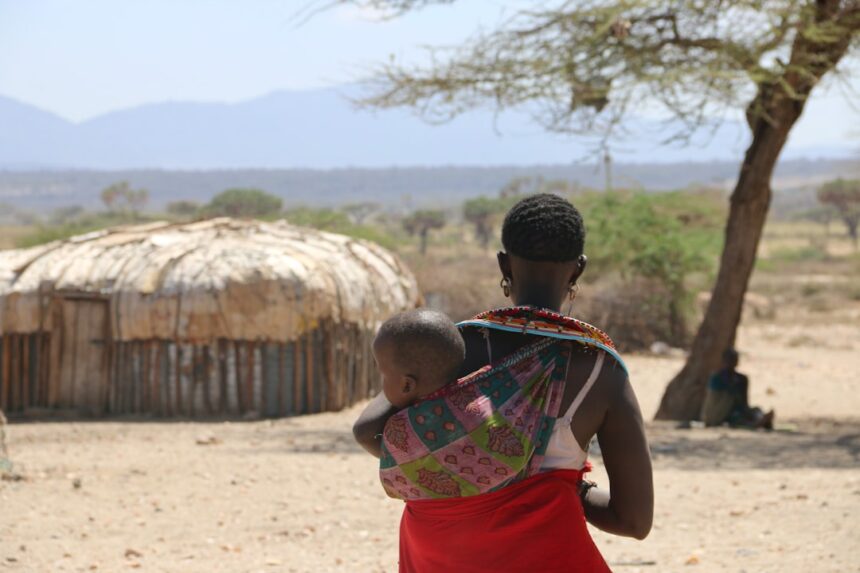
Kenyan mother holding newborn baby representing maternal health challenges after birth complicationsIllustrative image · Photo by Polina Koroleva on Unsplash (Unsplash License)
New research from Kenya reveals that 73% of mothers who experience birth complications face ongoing health issues for weeks after delivery. The study highlights significant gaps in postpartum care and financial support systems. — Photo by Polina Koroleva on Unsplash (Unsplash License)
SHARE
4 min read|788 words

Birth complications in Kenya continue to affect maternal wellbeing and household stability for weeks after delivery, with mothers experiencing persistent physical symptoms and financial strain, according to new research examining the broader implications of obstetric emergencies on families.

Contents
      • Persistent Health Issues After Birth Complications
  • Extended Recovery Challenges for Kenyan Mothers
  • Financial Burden Compounds Health Challenges
  • Healthcare System Gaps in Postpartum Care
  • Implications for Maternal Health Policy
    • Key takeaways
  • Frequently asked questions
    • How long do health issues typically last after birth complications?
    • What types of ongoing problems do mothers face after birth complications?
    • How can healthcare systems better support mothers after birth complications?
73%
of mothers with birth complications experienced ongoing health issues weeks after delivery

Persistent Health Issues After Birth Complications

Proportion of mothers experiencing ongoing symptoms by complication type

Severe bleeding
85%
Prolonged labor
76%
High blood pressure
68%
Infection

62%

Source: Subramanian et al., PLOS Global Public Health, 2024 | Georgian Medical Journal News

Extended Recovery Challenges for Kenyan Mothers

The study, published in PLOS Global Public Health, followed mothers who experienced birth complications at health facilities across Kenya. Researchers from Harvard Medical School and KEMRI-Wellcome Trust documented how obstetric emergencies created cascading effects on maternal health and household economics.

Submit Your Paper
GMJ_Submit_Banner

Lead author Laura Subramanian from Harvard Medical School found that mothers faced ongoing physical symptoms including fatigue, pain, and mobility limitations weeks after discharge. The research team conducted in-depth interviews with mothers, healthcare providers, and family members to understand the full spectrum of post-complication experiences.

🎙️ Related Podcast Episodes
🎧 #33 | GMJ Podcast | Public Health Policy as Education in NCD Prevention — Commentary by Owen Thomas · 21m
🎧 #23 | WHO: Next-Generation Influenza Vaccines Could Save Millions of Lives · 18m
🎧 #21 | WHO Issues New Guidance on Novel Snakebite Treatments · 14m
🎧 #20 | WHO: Conflict and Instability Make Pregnancy More Dangerous · 18m
🎧 #9 Leprosy in 2026: Bridging Medical Cure and Social Inclusion – WHO World Leprosy Day Message · 18m

The study reveals significant gaps in postpartum care quality and highlights the need for comprehensive follow-up services beyond immediate medical stabilization.

Financial Burden Compounds Health Challenges

Birth complications created substantial financial strain for Kenyan households, according to the research team’s findings. Families reported increased healthcare costs, lost income from maternal inability to work, and additional expenses for childcare support during extended recovery periods.

The World Health Organization estimates that Kenya’s maternal mortality ratio remains elevated, with many deaths occurring during the postpartum period when ongoing complications may not receive adequate attention.

Co-author Dr. Sassy Molyneux from KEMRI-Wellcome Trust emphasized that current health systems focus primarily on immediate life-saving interventions during delivery, with limited resources allocated to comprehensive postpartum recovery support.

Healthcare System Gaps in Postpartum Care

Healthcare providers interviewed in the study acknowledged significant limitations in their ability to provide comprehensive postpartum follow-up care. Many facilities lacked protocols for systematic monitoring of mothers who experienced birth complications, particularly those discharged within 24-48 hours of delivery.

The research, supported by collaboration between Harvard University and Kenyan institutions, documented how healthcare access barriers prevented many mothers from seeking care for ongoing symptoms. Transportation costs, childcare responsibilities, and fear of additional medical expenses deterred follow-up visits.

Study co-author Dr. Mike English from Oxford University noted that health system strengthening efforts must address the continuum of care from pregnancy through extended postpartum recovery, rather than focusing solely on facility-based delivery outcomes.

Implications for Maternal Health Policy

The findings highlight the need for expanded postpartum care protocols and community-based support systems for mothers recovering from birth complications. Research team members called for policy changes to ensure comprehensive maternal health coverage extends beyond the immediate postpartum period.

Kenya’s national health policy currently emphasizes facility deliveries and skilled birth attendance, but provides limited guidance on extended postpartum care for mothers with complications. The study authors recommend developing standardized protocols for follow-up care and community health worker support.

Mothers who experienced birth complications reported ongoing health issues affecting their ability to care for their newborns and participate in household activities for an average of 6-8 weeks after delivery

— Laura Subramanian, Harvard Medical School (PLOS Global Public Health, 2024)

Key takeaways

  • 73% of mothers with birth complications experienced persistent health problems weeks after hospital discharge
  • Financial burden from complications extended beyond medical costs to include lost income and additional childcare expenses
  • Current healthcare systems lack systematic protocols for extended postpartum follow-up care
  • Community-based support systems could help bridge gaps in post-complication care

Frequently asked questions

How long do health issues typically last after birth complications?

According to the study, mothers experienced ongoing symptoms for an average of 6-8 weeks after delivery. Some mothers reported fatigue and mobility issues lasting even longer, particularly after severe complications like postpartum hemorrhage.

What types of ongoing problems do mothers face after birth complications?

The research documented persistent fatigue, pain, mobility limitations, and difficulty performing daily activities. Many mothers also reported emotional distress related to their birth experience and concerns about future pregnancies.

How can healthcare systems better support mothers after birth complications?

The study authors recommend developing standardized follow-up protocols, training community health workers to provide ongoing support, and ensuring financial protection for extended recovery periods. Systematic check-ins at 2, 6, and 12 weeks postpartum could help identify and address ongoing issues.

This research underscores the importance of viewing maternal health as a continuum requiring comprehensive care and support systems that extend well beyond the delivery room. As Kenya and other countries work to reduce maternal mortality, addressing the broader implications of birth complications on families and communities will be essential for achieving sustainable improvements in maternal wellbeing.

Source: Beyond survival: The impact of birth complications on postpartum wellbeing for mothers, babies, and households in Kenya

Was this article helpful?

Disclaimer. This article is health journalism intended for general information and education. It is not medical advice and is not a substitute for professional diagnosis or treatment. Always consult a qualified healthcare provider about your individual circumstances. Full disclaimer →

Related Coverage

Mental health interventions show promise amid active armed conflict, scoping review findsJun 23, 2026
Montana Accelerates Medicaid Work Requirements Amid Growing Budget CrisisJun 23, 2026
Healthcare Workers Face Critical Shortages as Mental Health Crisis DeepensJun 23, 2026
WHO Launches Third Cohort of Women Leaders Programme for Neglected Tropical DiseasesJun 23, 2026
PG
Written by
Prof. Giorgi Pkhakadze, MD, MPH, PhD
Editor-in-Chief, GMJ News
Full profile →  ·  ORCID 0000-0001-7609-4515
Medical disclaimer. This article is health journalism intended for general information. It is not medical advice and is not a substitute for consultation with a qualified healthcare professional. Always seek your physician's advice regarding any medical condition.
Medically reviewed by Prof. Giorgi Pkhakadze, MD, MPH, PhD. Spotted an error? Contact the editorial team.

Get the GMJ News digest
Evidence-based health journalism in your inbox. No spam; unsubscribe anytime.
TAGGED:birth complicationsglobal-healthKenya healthcareMaternal Healthpostpartum care
Share This Article
Facebook LinkedIn Bluesky Copy Link Print
GMJ
ByGMJ Policy Desk
Follow:
GMJ Policy Desk is part of GMJ News, the newsroom of the Georgian Medical Journal (gmj.ge), published by the Public Health Institute of Georgia. Every article is editorially reviewed before publication.
Leave a Comment Leave a Comment

Leave a Reply Cancel reply

Your email address will not be published. Required fields are marked *

Submit Your Paper →

Georgia's peer-reviewed open-access medical journal. No APC until January 2027.
Submit Manuscript →
Aging Immune System Fails to Control Gut Microbiome, New Research Shows

New research reveals how the aging immune system fails to control gut…

Mental health interventions show promise amid active armed conflict, scoping review finds

A comprehensive review of 47 studies reveals that mental health interventions can…

Air pollution linked to 37% increase in healthcare costs across Iranian industrial cities

Study of 10 Iranian cities over 14 years finds PM2.5 pollution drives…

Submit Your Paper to GMJ

No APC until January 2027.
Submit Manuscript →

You Might Also Like

PAHO hurricane preparedness advisory for 2026 Atlantic season forecastsPhoto by GEORGE DESIPRIS on Pexels (Pexels License)
Global HealthHealth PolicyPolicy & Systems

PAHO Urges Hurricane Preparedness Despite Below-Normal 2026 Season Forecast

By
GMJ Policy Desk
13/06/2026
Infographic showing IOM's global governance structure and member country participationIllustrative image · Photo by Nothing Ahead on Pexels (Pexels License)
Global HealthPolicy & Systems

IOM Governance Structure Reinforces Global Migration Health Framework

By
GMJ Policy Desk
20/06/2026
WOAH headquarters building with organization logo representing global animal health coordinationIllustrative image · Photo by Nataliya Vaitkevich on Pexels (Pexels License)
Global HealthPolicy & Systems

WOAH Issues First Global Statement on Hantavirus as Zoonotic Disease Threat

By
GMJ Policy Desk
20/06/2026
Healthcare workers in Vietnam clinic discussing patient care and research integration
Global Health

Building Equitable Health Access: Lessons from Vietnam’s Research-to-Care Bridge

By
GMJ Policy Desk
21/05/2026
Facebook Twitter Youtube Instagram
Company
  • Privacy Policy
  • Contact US
  • GMJ Journal
  • Submit Manuscript
  • Editorial Team
  • Register at GMJ
  • Terms of Use

Subscribe to GMJ News — Click here

Join Community
© 2026 Georgian Medical Journal (GMJ). Published by the Public Health Institute of Georgia (PHIG). All rights reserved.
Welcome Back!

Sign in to your account

Username or Email Address
Password

Lost your password?

Not a member? Sign Up