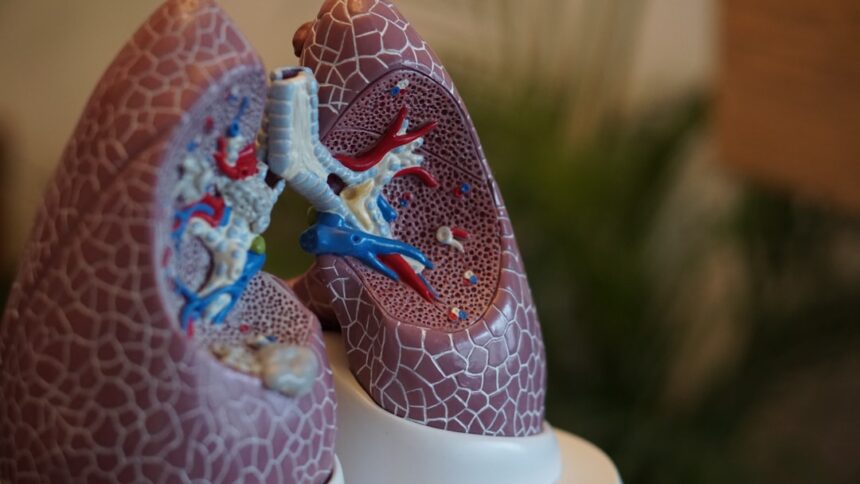
Researchers have achieved a significant milestone in precision transplantation by creating digital twin models of donor lungs using comprehensive data from hundreds of organs subjected to ex vivo perfusion. This innovative approach, published in Nature Medicine, enables transplant teams to virtually test therapeutic interventions before implementation, fundamentally changing how organ viability is assessed.
The digital twin technology integrates multimodal data collected during ex vivo lung perfusion procedures to create sophisticated computational models that accurately mirror real lung behavior. By simulating various treatment protocols and predicting therapeutic responses with unprecedented precision, clinicians can now tailor transplant strategies to specific donor-recipient combinations rather than relying on traditional one-size-fits-all approaches.
This breakthrough addresses a critical challenge in transplant medicine: optimizing limited donor organ resources while improving patient outcomes. As organ shortages remain a persistent global health concern, digital twin technology offers a promising pathway to enhance transplant success rates and expand access to life-saving procedures.
Read the full article on GMJ Newsroom.

Was this article helpful?
GMJ Brief · Announcement
📰 Read the full article: Digital Twins of Donor Lungs Could Transform Transplant Medicine →