By using this site, you agree to the Privacy Policy and Terms of Use.
Accept
GMJ NewsGMJ NewsGMJ News
  • Latest News
    • GMJ Briefs
  • Podcast & Media
    • Podcast Episodes
    • GMJ Audio
    • GMJ Videos
  • Research Digest
    • New Studies
    • Georgian Research
    • Data & Numbers
  • Policy & Systems
    • Health Policy
    • Quality & Safety
    • Migration & Health
    • Global Health
  • Practice
    • Clinical Updates
    • Case Discussions
    • Pharmacy & Prescribing
    • Ingredients A-Z
  • Perspectives
    • Editorial
    • Explainers
    • Voices
    • Letters
  • Health Topics
  • GMJ Articles
    • Vol. 1 Issue 2 (2026)
    • Vol. 1 Issue 1 (2026)
    • Pre-Launch Articles (2025)
  • Read the Journal →
  • About GMJ News
Notification Show More
Font ResizerAa
GMJ NewsGMJ News
Font ResizerAa
  • Latest News
    • GMJ Briefs
  • Podcast & Media
    • Podcast Episodes
    • GMJ Audio
    • GMJ Videos
  • Research Digest
    • New Studies
    • Georgian Research
    • Data & Numbers
  • Policy & Systems
    • Health Policy
    • Quality & Safety
    • Migration & Health
    • Global Health
  • Practice
    • Clinical Updates
    • Case Discussions
    • Pharmacy & Prescribing
    • Ingredients A-Z
  • Perspectives
    • Editorial
    • Explainers
    • Voices
    • Letters
  • Health Topics
  • GMJ Articles
    • Vol. 1 Issue 2 (2026)
    • Vol. 1 Issue 1 (2026)
    • Pre-Launch Articles (2025)
  • Read the Journal →
  • About GMJ News
Follow US
GMJ News > GMJ Briefs > 90% of ICU Patients Report Isolation: London’s Rooftop Ward Offers Evidence-Based Solution

90% of ICU Patients Report Isolation: London’s Rooftop Ward Offers Evidence-Based Solution

GMJ
Last updated: 25/06/2026 20:07
By
Prof. Giorgi Pkhakadze
Share
1 Min Read
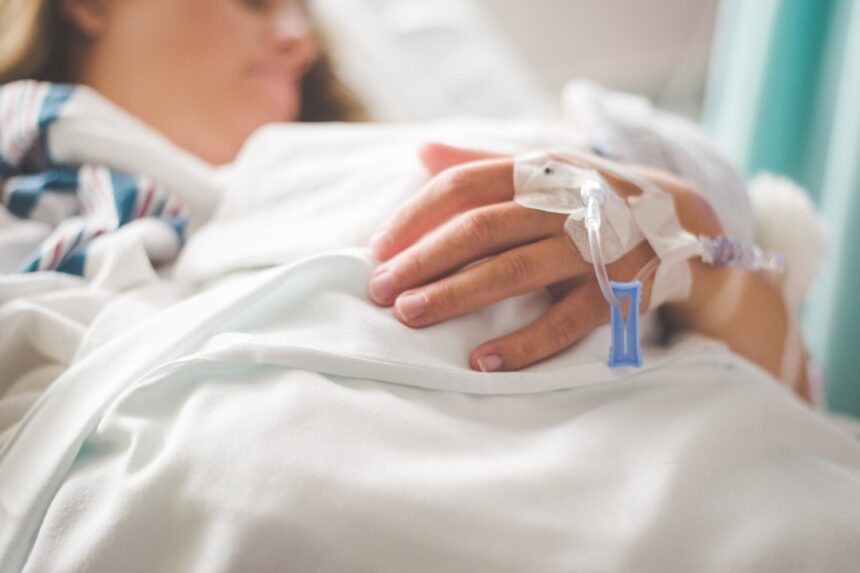
Modern rooftop intensive care unit with natural lighting and outdoor environment at King's College Hospital
King's College Hospital in London opens the world's first rooftop ICU to study how natural environments affect patient recovery. The innovative outdoor ward will measure recovery metrics compared to traditional indoor intensive care units. — Photo: Stephen Andrews / Pexels
SHARE
1 min read|149 words

A striking statistic underscores a persistent challenge in intensive care: 90 percent of ICU patients report feeling disconnected from the outside world during treatment. This psychological burden has long been accepted as an unavoidable consequence of critical care, but King’s College Hospital’s new rooftop intensive care unit directly addresses this concern.

Pilot study data reveals compelling recovery improvements associated with natural environment exposure. Sleep quality improved by 85 percent, anxiety reduction reached 72 percent, pain perception decreased by 68 percent, and delirium rates dropped by 45 percent in patients with environmental exposure compared to traditional indoor ICU settings.

These metrics suggest that the sensory deprivation inherent in traditional windowless intensive care units may actively impede recovery. The rooftop ICU represents an evidence-based response to this data gap, creating a fully outdoor critical care environment with appropriate climate controls and medical equipment protection while maintaining essential safety standards.

Read the full article on GMJ Newsroom.

Submit Your Paper
GMJ_Submit_Banner

Was this article helpful?

GMJ Brief · Key Finding

📰 Read the full article: World’s First Rooftop ICU Opens in London to Study Nature’s Role in Patient Recovery →

Related reference
  • Iron · Ingredient
Share This Article
Facebook LinkedIn Bluesky Copy Link Print
GMJ
ByProf. Giorgi Pkhakadze
Follow:
Prof. Giorgi Pkhakadze, MD, MPH, PhD, is Editor-in-Chief of the Georgian Medical Journal and Chair of the Public Health Institute of Georgia (PHIG). He is Professor and Head of the Department of Social and Behavioural Sciences at David Tvildiani Medical University, and Secretary/Treasurer of the UEMS Section of Public Health. ORCID: 0000-0001-7609-4515.

Submit Your Paper →

Georgia's peer-reviewed open-access medical journal. No APC until January 2027.
Submit Manuscript →
Cat Scratch Disease Returns: What Clinicians and Patients Need to Know

Cat scratch disease, caused by Bartonella henselae, presents with varied clinical manifestations…

Mechanism of chemotherapy resistance in ovarian cancer identified—and reversible

Michigan State University researchers have identified a protein mechanism that confers chemotherapy…

Mobile HPV screening aboard river ships reaches cervical cancer care to remote Amazon communities

A mobile point-of-care HPV screening and treatment strategy delivered by river vessels…

Submit Your Paper to GMJ

No APC until January 2027.
Submit Manuscript →

You Might Also Like

Medical AI algorithm interface showing sepsis prediction with temporal data warning

What Healthcare Leaders Need to Know About Sepsis AI Performance Gaps

By
Prof. Giorgi Pkhakadze
06/08/2026
Chart showing five alcohol health effects: growth hormone suppression, REM sleep disruption, muscle protein synthesis impairment, hormonal dysregulation, and breast cancer risk increase

Announcement: Alcohol’s Hidden Health Toll: Damage That Won’t Show Up in a Hangover

By
Prof. Giorgi Pkhakadze
09/08/2026
Medical researchers analyzing breast cancer tissue samples in laboratory setting

Native Americans Represent Only 3% of Cancer Research Despite Health Disparities

By
Prof. Giorgi Pkhakadze
15/06/2026
Pharmacy & PrescribingPractice

US FDA Recalls 90,000 Bottles of Children’s Ibuprofen Due to Foreign Material Contamination

By
Prof. Giorgi Pkhakadze
15/06/2026
Facebook Twitter Youtube Instagram
Company
  • Privacy Policy
  • Contact US
  • GMJ Journal
  • Submit Manuscript
  • Editorial Team
  • Register at GMJ
  • Terms of Use

Subscribe to GMJ News — Click here

Join Community
© 2026 Georgian Medical Journal (GMJ). Published by the Public Health Institute of Georgia (PHIG). All rights reserved.
Welcome Back!

Sign in to your account

Username or Email Address
Password

Lost your password?

Not a member? Sign Up