By using this site, you agree to the Privacy Policy and Terms of Use.
Accept
GMJ NewsGMJ NewsGMJ News
  • Latest News
    • GMJ Briefs
  • Podcast & Media
    • Podcast Episodes
    • GMJ Audio
    • GMJ Videos
  • Research Digest
    • New Studies
    • Georgian Research
    • Data & Numbers
  • Policy & Systems
    • Health Policy
    • Quality & Safety
    • Migration & Health
    • Global Health
  • Practice
    • Clinical Updates
    • Case Discussions
    • Pharmacy & Prescribing
    • Ingredients A-Z
  • Perspectives
    • Editorial
    • Explainers
    • Voices
    • Letters
  • Health Topics
  • GMJ Articles
    • Vol. 1 Issue 2 (2026)
    • Vol. 1 Issue 1 (2026)
    • Pre-Launch Articles (2025)
  • Read the Journal →
  • About GMJ News
Notification Show More
Font ResizerAa
GMJ NewsGMJ News
Font ResizerAa
  • Latest News
    • GMJ Briefs
  • Podcast & Media
    • Podcast Episodes
    • GMJ Audio
    • GMJ Videos
  • Research Digest
    • New Studies
    • Georgian Research
    • Data & Numbers
  • Policy & Systems
    • Health Policy
    • Quality & Safety
    • Migration & Health
    • Global Health
  • Practice
    • Clinical Updates
    • Case Discussions
    • Pharmacy & Prescribing
    • Ingredients A-Z
  • Perspectives
    • Editorial
    • Explainers
    • Voices
    • Letters
  • Health Topics
  • GMJ Articles
    • Vol. 1 Issue 2 (2026)
    • Vol. 1 Issue 1 (2026)
    • Pre-Launch Articles (2025)
  • Read the Journal →
  • About GMJ News
Follow US
GMJ News > Practice > Clinical Updates > Mechanism of chemotherapy resistance in ovarian cancer identified—and reversible
Clinical UpdatesNew StudiesPracticeResearch Digest

Mechanism of chemotherapy resistance in ovarian cancer identified—and reversible

GMJ
Last updated: 12/07/2026 13:29
By
GMJ Practice Desk
Share
8 Min Read
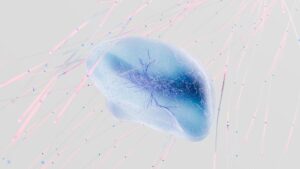
Microscopic view of ovarian cancer cells showing protein expression in chemotherapy-resistant cellsIllustrative image · Photo by Ivan S on Pexels (Pexels License)
Michigan State University researchers have identified a protein mechanism that confers chemotherapy resistance in ovarian cancer cells and demonstrated that blocking this protein restores drug effectiveness in laboratory models, offering a potential new therapeutic strategy. — Photo by Ivan S on Pexels (Pexels License)
SHARE
5 min read|1,021 words
✓ Reviewed by GMJ News Editorial Team

🟠 Moderate Evidence

Contents
    • Key takeaways
      • Study at a Glance
      • Ovarian cancer treatment landscape and resistance challenge
  • How ovarian cancer cells evade chemotherapy
  • Reversing resistance through protein blockade
  • Path toward clinical translation
    • What this means
  • Frequently asked questions
    • What is platinum-based chemotherapy resistance?
    • How common is chemotherapy resistance in ovarian cancer?
    • When will this therapy be available to patients?

Researchers at Michigan State University have identified a specific protein mechanism through which ovarian cancer cells develop resistance to platinum-based chemotherapy—and demonstrated that blocking this protein can restore drug effectiveness in laboratory models. The finding offers a potential therapeutic target for patients whose tumours have become resistant to standard treatment, a major clinical challenge in ovarian cancer management.

Key takeaways

  • Michigan State University researchers identified a specific protein pathway responsible for chemotherapy resistance in ovarian cancer cells
  • Blocking this protein restored chemotherapy sensitivity in laboratory models, suggesting a reversible mechanism
  • The discovery could lead to combination therapies for patients with drug-resistant ovarian cancers, improving treatment outcomes
  • The findings appear relevant to understanding treatment resistance mechanisms across multiple cancer types

Study at a Glance

Source Michigan State University research
Study type Mechanistic laboratory study
Focus Protein-mediated chemotherapy resistance in ovarian cancer
Outcome Identification of reversible resistance mechanism
Implication Potential therapeutic target for resistant tumours
1 protein
Michigan State University identified a single protein whose blockade can restore chemotherapy sensitivity in resistant ovarian cancer cells

Ovarian cancer treatment landscape and resistance challenge

Platinum-based chemotherapy effectiveness and the role of protein-mediated resistance

~70%
Initial response to platinum chemotherapy
20-30%
Develop resistance within 5 years
1 target
Protein identified by MSU researchers

Source: Michigan State University research | Georgian Medical Journal News

Submit Your Paper
GMJ_Submit_Banner

How ovarian cancer cells evade chemotherapy

Ovarian cancer represents one of the most lethal gynaecological malignancies, with platinum-based chemotherapy (such as cisplatin and carboplatin) serving as the backbone of first-line treatment. However, many patients develop resistance to these agents, limiting treatment options and worsening prognosis. The molecular mechanisms underlying this resistance have been incompletely understood, making it difficult to predict which patients will develop resistance and how to prevent or reverse it.

🎙️ Related Podcast Episodes
🎧 #39 | GMJ Podcast | Acne and Metabolic Dysfunction — Insulin Resistance, IGF-1, and Clinical Implications · 15m
🎧 #38 | GMJ Podcast | Acne and Metabolic Dysfunction — Insulin Resistance, IGF-1, and Clinical Implications · 21m

The Michigan State University team conducted mechanistic studies to identify protein pathways that correlate with chemotherapy resistance. By examining resistant ovarian cancer cell lines and comparing them to chemotherapy-sensitive cells, the researchers pinpointed a specific protein whose expression or activity appears elevated in resistant cells. This represents a substantial advance, as understanding the molecular basis of resistance is essential for developing targeted interventions, as discussed in recent analyses of cancer treatment resistance mechanisms.

Reversing resistance through protein blockade

Critically, the Michigan State researchers demonstrated that inhibiting or blocking this protein in resistant cell lines restored sensitivity to platinum chemotherapy in laboratory experiments. This finding suggests the resistance mechanism is not a permanent, irreversible change but rather an active, protein-dependent process that can potentially be pharmacologically reversed. The implications are substantial: combination therapies pairing a platinum agent with a blocker of this protein could theoretically re-sensitise resistant tumours to chemotherapy.

This approach aligns with emerging strategies in cancer medicine to overcome acquired drug resistance through targeted combination therapies. If validated in preclinical models and subsequent clinical trials, such combinations could extend the therapeutic lifespan of platinum chemotherapy in ovarian cancer patients and improve progression-free and overall survival. The finding also raises the possibility of using protein expression as a predictive biomarker to identify which patients might benefit from this combination approach.

Path toward clinical translation

While the Michigan State discovery is mechanistically significant, translation to clinical use requires several additional steps. The findings must first be validated in more complex preclinical systems, such as patient-derived xenografts or organoid models, to confirm that the resistance mechanism and protein blockade strategy work in contexts more closely resembling human tumours. Parallel work is needed to identify clinically suitable inhibitors of the target protein—molecules that can reach tumours at therapeutic concentrations with acceptable toxicity profiles.

Several pharmaceutical and biotechnology companies are actively pursuing protein inhibitors for oncology applications, which may accelerate the translation timeline if the Michigan State target proves druggable. Phase I clinical trials exploring combination approaches would likely follow, initially assessing safety and preliminary efficacy in patients with platinum-resistant ovarian cancer. Success in early trials could open new treatment pathways for a patient population with limited options after standard chemotherapy fails.

Researchers at Michigan State University identified a specific protein mechanism conferring chemotherapy resistance in ovarian cancer and demonstrated that blocking this protein restores drug sensitivity in laboratory models.

— Michigan State University research team

What this means

For patients: If validated clinically, combination therapies targeting this protein could restore sensitivity to chemotherapy in resistant ovarian cancers, potentially delaying progression and improving quality of life for patients who have exhausted standard options.
For clinicians: The identification of a reversible resistance mechanism provides a rationale for designing combination trials and exploring protein expression as a predictive biomarker to stratify patients for targeted therapy, improving treatment selection and outcomes.
For policymakers: Supporting translational research into chemotherapy resistance mechanisms and expediting clinical trials for rational combination approaches can expand treatment options for ovarian cancer patients, reducing mortality and improving cost-effectiveness through personalized therapy design.

Frequently asked questions

What is platinum-based chemotherapy resistance?

Platinum-based drugs (cisplatin, carboplatin) are standard first-line chemotherapy for ovarian cancer. Over time, some cancer cells develop resistance through various mechanisms—including changes in drug uptake, increased DNA repair, or altered cellular stress responses. The Michigan State study identified a specific protein contributing to this resistance.

How common is chemotherapy resistance in ovarian cancer?

Many patients with advanced ovarian cancer initially respond to platinum chemotherapy, but 20–30% develop resistance within five years. For those with platinum-resistant disease, treatment options become limited, making new strategies to reverse resistance clinically important.

When will this therapy be available to patients?

The Michigan State findings are at the preclinical stage. Clinical translation typically requires 5–10 years of further development, validation, and trial work. If a suitable protein inhibitor is identified and Phase I trials are successful, combination therapies could potentially reach patients within a decade, though timelines vary significantly.

The Michigan State University discovery represents a meaningful step forward in understanding and potentially reversing chemotherapy resistance in ovarian cancer. While substantial preclinical and clinical work remains, the identification of a specific, inhibitable protein mechanism offers genuine hope for patients facing treatment resistance—a population with limited options. Continued investment in mechanistic cancer research and expedited translation pathways will be essential to move this promising discovery toward clinical reality.

Source: Scientists uncover how ovarian cancer resists chemotherapy—and how to reverse it

Was this article helpful?

Disclaimer. This article is health journalism intended for general information and education. It is not medical advice and is not a substitute for professional diagnosis or treatment. Always consult a qualified healthcare provider about your individual circumstances. Full disclaimer →

Related Coverage

Healthy Diet and Exercise Cut Disease Risk Even Without Weight Loss, Major US Study FindsAug 12, 2026
Lancet Public Health Clarifies Sugar Warning Label Study After Figure CorrectionAug 12, 2026
Community Health Workers Boost COVID-19 Testing Among Formerly Incarcerated PeopleAug 11, 2026
FDA Restricts Sunscreen Ingredient as Rural Dialysis Clinics Face Closure CrisisAug 11, 2026
Explore more on this topic:🧭 Cancer hub🧭 Ovarian Cancer hub🧭 Rheumatoid Arthritis hub
🔥 Most read this week
1Magnesium Form May Not Matter for Cognitive Benefits, New Meta-Analysis Suggests
2Creatine Kidney Damage Myth Debunked by Major Safety Review of 26,000 Participants
3Why High-Dose Vitamin B12 Supplements Work Despite Poor Absorption
4Magnesium Supplements: Marketing Claims vs Scientific Evidence
PG
Editorial oversight
Prof. Giorgi Pkhakadze, MD, MPH, PhD
Editor-in-Chief, GMJ News
Full profile →  ·  ORCID 0000-0001-7609-4515
Medical disclaimer. This article is health journalism intended for general information. It is not medical advice and is not a substitute for consultation with a qualified healthcare professional. Always seek your physician's advice regarding any medical condition.
Editorial standards. This article was produced under the GMJ News editorial process, with oversight by the GMJ Editorial Board. Our editorial process. Spotted an error? Contact the editorial team.

📬 GMJ Health Digest
Evidence-based medical news, once a week. Free, no spam, unsubscribe anytime.
TAGGED:cancer treatmentchemotherapy resistanceclinical researchovarian cancerprotein mechanism
Share This Article
Facebook LinkedIn Bluesky Copy Link Print
GMJ
ByGMJ Practice Desk
Follow:
GMJ Practice Desk is part of GMJ News, the newsroom of the Georgian Medical Journal (gmj.ge), published by the Public Health Institute of Georgia. Every article is editorially reviewed before publication.
Leave a Comment Leave a Comment

Leave a Reply Cancel reply

Your email address will not be published. Required fields are marked *

Submit Your Paper →

Georgia's peer-reviewed open-access medical journal. No APC until January 2027.
Submit Manuscript →
Mobile HPV screening aboard river ships reaches cervical cancer care to remote Amazon communities

A mobile point-of-care HPV screening and treatment strategy delivered by river vessels…

Healthy Diet and Exercise Cut Disease Risk Even Without Weight Loss, Major US Study Finds

New analysis of three US cohorts published in The Lancet Regional Health—Americas…

WHO Adopts New Decade-Long Strategy to Combat Antimicrobial Resistance Through 2036

The WHO has adopted a comprehensive 10-year action plan (2026–2036) to combat…

Submit Your Paper to GMJ

No APC until January 2027.
Submit Manuscript →

You Might Also Like

Sleep quality metrics improved by L-theanine supplementation; no increase in total sleep timeIllustrative image · Photo by RDNE Stock project on Pexels (Pexels License)
Clinical UpdatesNew StudiesPracticeResearch Digest

L-Theanine Improves Sleep Quality Without Drowsiness, Systematic Review Finds

By
GMJ Practice Desk
28/07/2026
Comparison of LDL cholesterol change by coffee brewing method: paper filtered vs unfiltered metal meshIllustrative image · Photo by Nathan Dumlao on Unsplash (Unsplash License)
Clinical UpdatesExplainersNew StudiesPerspectivesPracticeResearch Digest

Coffee brewing method significantly affects LDL cholesterol, study finds—paper filters protective

By
GMJ Practice Desk
03/08/2026
Medical illustration showing focused radiation beams targeting prostate tumor with precision radiotherapy technologyIllustrative image · Photo by Leeloo The First on Pexels (Pexels License)
Clinical UpdatesPractice

NHS England Expands Precision Radiotherapy Access to Reduce Prostate Cancer Treatment Sessions from 20 to 5

By
GMJ Practice Desk
25/06/2026
Illustration of creatine's role in mitochondrial ATP production and brain energy in womenIllustrative image · Photo by Andrea Piacquadio on Pexels (Pexels License)
Clinical UpdatesExplainersPerspectivesPractice

Creatine for Women: Beyond Muscle—Evidence for Brain, Energy, and Long-Term Health

By
GMJ Practice Desk
02/08/2026
Facebook Twitter Youtube Instagram
Company
  • Privacy Policy
  • Contact US
  • GMJ Journal
  • Submit Manuscript
  • Editorial Team
  • Register at GMJ
  • Terms of Use

Subscribe to GMJ News — Click here

Join Community
© 2026 Georgian Medical Journal (GMJ). Published by the Public Health Institute of Georgia (PHIG). All rights reserved.
Welcome Back!

Sign in to your account

Username or Email Address
Password

Lost your password?

Not a member? Sign Up