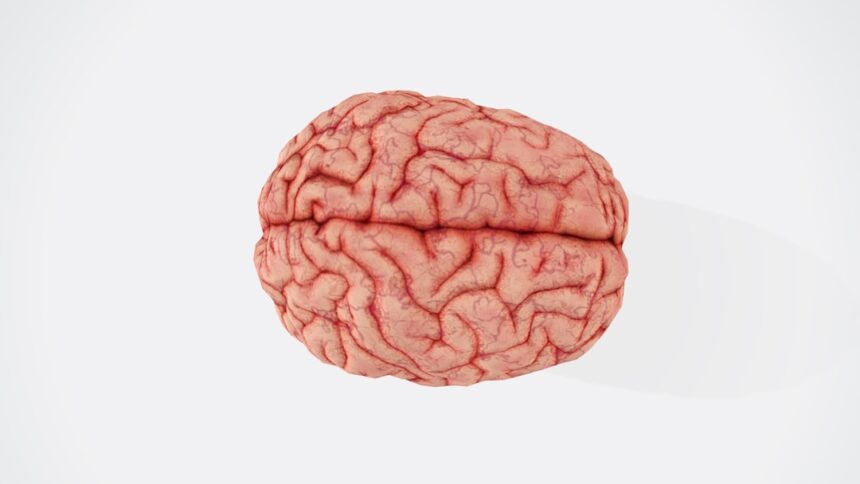
A groundbreaking study published in Nature Medicine reveals that microglia, the brain’s resident immune cells, play a critical role in determining whether individuals develop dementia or maintain cognitive resilience despite accumulating Alzheimer’s disease pathology. Researchers discovered that microglia undergo distinct cellular transitions at the junction where amyloid-beta plaques and tau tangles converge in the aging brain. These transitions can be either protective or harmful, fundamentally reshaping how scientists understand neuroinflammation in dementia. The findings challenge the traditional view that inflammation uniformly damages the brain, instead demonstrating that specific microglial responses can safeguard cognitive function even when pathological proteins accumulate. According to the National Institute on Aging, this inflection point represents a pivotal moment where cognitive outcomes diverge dramatically. These insights could revolutionize prevention strategies and open new therapeutic avenues for combating dementia progression in aging populations.
Was this article helpful?