By using this site, you agree to the Privacy Policy and Terms of Use.
Accept
GMJ NewsGMJ NewsGMJ News
  • Latest News
    • GMJ Briefs
  • Podcast & Media
    • Podcast Episodes
    • GMJ Audio
    • GMJ Videos
  • Research Digest
    • New Studies
    • Georgian Research
    • Data & Numbers
  • Policy & Systems
    • Health Policy
    • Quality & Safety
    • Migration & Health
    • Global Health
  • Practice
    • Clinical Updates
    • Case Discussions
    • Pharmacy & Prescribing
    • Ingredients A-Z
  • Perspectives
    • Editorial
    • Explainers
    • Voices
    • Letters
  • GMJ Articles
    • Vol. 1 Issue 2 (2026)
    • Vol. 1 Issue 1 (2026)
    • Pre-Launch Articles (2025)
  • Read the Journal →
  • About GMJ News
Notification Show More
Font ResizerAa
GMJ NewsGMJ News
Font ResizerAa
  • Latest News
    • GMJ Briefs
  • Podcast & Media
    • Podcast Episodes
    • GMJ Audio
    • GMJ Videos
  • Research Digest
    • New Studies
    • Georgian Research
    • Data & Numbers
  • Policy & Systems
    • Health Policy
    • Quality & Safety
    • Migration & Health
    • Global Health
  • Practice
    • Clinical Updates
    • Case Discussions
    • Pharmacy & Prescribing
    • Ingredients A-Z
  • Perspectives
    • Editorial
    • Explainers
    • Voices
    • Letters
  • GMJ Articles
    • Vol. 1 Issue 2 (2026)
    • Vol. 1 Issue 1 (2026)
    • Pre-Launch Articles (2025)
  • Read the Journal →
  • About GMJ News
Follow US
GMJ News > GMJ Briefs > The Hidden Influence: How Gut Parasites May Shape Human Behavior

The Hidden Influence: How Gut Parasites May Shape Human Behavior

GMJ
Last updated: 22/06/2026 00:17
By
Prof. Giorgi Pkhakadze
Share
1 Min Read
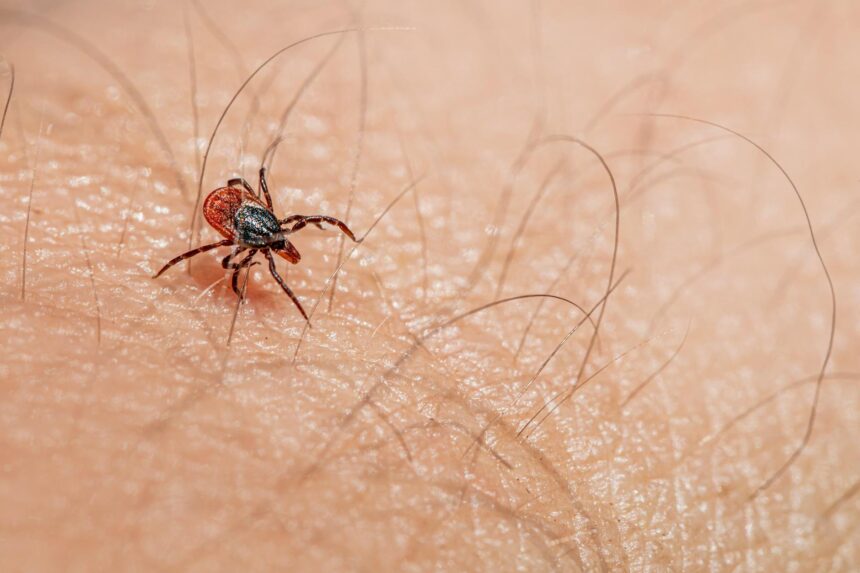
Scientific illustration of gut-brain connection and parasitic organisms
New research explores how gut parasites may influence human behavior through complex biochemical pathways. Studies suggest these organisms could affect mood and decision-making via the gut-brain axis. — Photo by Erik Karits on Pexels (Pexels License)
SHARE
1 min read|137 words

Emerging research is challenging our understanding of the gut-brain connection, suggesting that parasitic infections may influence human behavior through complex biochemical mechanisms. Scientists have long observed dramatic behavioral changes in animals infected with certain parasites, but new evidence indicates similar processes could occur in humans.

The proposed pathways involve parasites’ ability to produce or modify neurotransmitters like dopamine and serotonin, potentially affecting mood and decision-making directly. While direct evidence in humans remains limited, observational studies have identified intriguing correlations between parasitic infections and behavioral changes. The Centers for Disease Control and Prevention acknowledges that some parasitic infections can affect neurological function, though researchers continue investigating the precise mechanisms underlying these interactions.

This growing body of evidence opens new avenues for understanding parasite-host dynamics and may eventually inform novel therapeutic approaches.

Read the full article on GMJ Newsroom.

Submit Your Paper
GMJ_Submit_Banner

Was this article helpful?

GMJ Brief · Announcement

📰 Read the full article: Gut Parasites May Manipulate Human Behavior, New Research Suggests →

Share This Article
Facebook LinkedIn Bluesky Copy Link Print
GMJ
ByProf. Giorgi Pkhakadze
Follow:
Prof. Giorgi Pkhakadze, MD, MPH, PhD, is Editor-in-Chief of the Georgian Medical Journal and Chair of the Public Health Institute of Georgia (PHIG). He is Professor and Head of the Department of Social and Behavioural Sciences at David Tvildiani Medical University, and Secretary/Treasurer of the UEMS Section of Public Health. ORCID: 0000-0001-7609-4515.

Submit Your Paper →

Georgia's peer-reviewed open-access medical journal. No APC until January 2027.
Submit Manuscript →
Surgical Menopause Linked to Severe Urogenital Symptoms Compared to Natural Menopause

New research shows surgical menopause leads to more severe genitourinary symptoms than…

European Drug Pricing Pressures Rise as U.S. Policy Ripple Effects Spread Across Markets

European countries are adopting divergent pharmaceutical pricing policies, creating market complexity and…

Republican Opposition to Opioid Treatment Medications Sparks Policy Debate

Republican federal actions and proposals targeting opioid treatment medications have sparked debate…

Submit Your Paper to GMJ

No APC until January 2027.
Submit Manuscript →

You Might Also Like

Rick Pazdur speaking at ASCO 2026 conference about FDA restructuring and regulatory competition

FDA Leadership Signals Major Restructuring Push Amid Global Regulatory Competition

By
Prof. Giorgi Pkhakadze
16/06/2026
Medical illustration showing dual PET imaging technology monitoring both cancer tumors and heart inflammation

New Dual-Target PET Imaging Reduces Cardiac Complications in Cancer Patients

By
Prof. Giorgi Pkhakadze
15/06/2026
Data visualization showing fiber intake mortality benefits across population studies

The Fiber Gap: Americans Halfway to Protective Dose, Missing Life-Saving Benefits

By
Prof. Giorgi Pkhakadze
10/06/2026

PHEIC Declaration for Cross-Border Ebola Outbreak: DRC-Uganda

By
Prof. Giorgi Pkhakadze
31/05/2026
Facebook Twitter Youtube Instagram
Company
  • Privacy Policy
  • Contact US
  • GMJ Journal
  • Submit Manuscript
  • Editorial Team
  • Register at GMJ
  • Terms of Use

Subscribe to GMJ News — Click here

Join Community
© 2026 Georgian Medical Journal (GMJ). Published by the Public Health Institute of Georgia (PHIG). All rights reserved.
Welcome Back!

Sign in to your account

Username or Email Address
Password

Lost your password?

Not a member? Sign Up