By using this site, you agree to the Privacy Policy and Terms of Use.
Accept
GMJ NewsGMJ NewsGMJ News
  • Latest News
    • GMJ Briefs
  • Podcast & Media
    • Podcast Episodes
    • GMJ Audio
    • GMJ Videos
  • Research Digest
    • New Studies
    • Georgian Research
    • Data & Numbers
  • Policy & Systems
    • Health Policy
    • Quality & Safety
    • Migration & Health
    • Global Health
  • Practice
    • Clinical Updates
    • Case Discussions
    • Pharmacy & Prescribing
    • Ingredients A-Z
  • Perspectives
    • Editorial
    • Explainers
    • Voices
    • Letters
  • GMJ Articles
    • Vol. 1 Issue 2 (2026)
    • Vol. 1 Issue 1 (2026)
    • Pre-Launch Articles (2025)
  • Read the Journal →
  • About GMJ News
Notification Show More
Font ResizerAa
GMJ NewsGMJ News
Font ResizerAa
  • Latest News
    • GMJ Briefs
  • Podcast & Media
    • Podcast Episodes
    • GMJ Audio
    • GMJ Videos
  • Research Digest
    • New Studies
    • Georgian Research
    • Data & Numbers
  • Policy & Systems
    • Health Policy
    • Quality & Safety
    • Migration & Health
    • Global Health
  • Practice
    • Clinical Updates
    • Case Discussions
    • Pharmacy & Prescribing
    • Ingredients A-Z
  • Perspectives
    • Editorial
    • Explainers
    • Voices
    • Letters
  • GMJ Articles
    • Vol. 1 Issue 2 (2026)
    • Vol. 1 Issue 1 (2026)
    • Pre-Launch Articles (2025)
  • Read the Journal →
  • About GMJ News
Follow US
GMJ News > Research Digest > New Studies > Gut Parasites May Manipulate Human Behavior, New Research Suggests
New StudiesResearch Digest

Gut Parasites May Manipulate Human Behavior, New Research Suggests

GMJ
Last updated: 13/06/2026 10:46
By
GMJ Research Desk
Share
5 Min Read
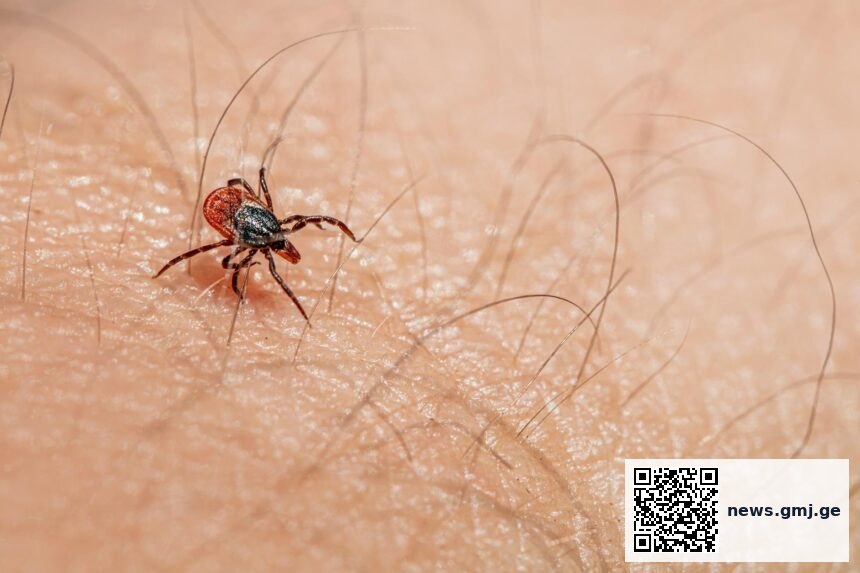
Scientific illustration of gut-brain connection and parasitic organismsIllustrative image · Photo by Erik Karits on Pexels (Pexels License)
New research explores how gut parasites may influence human behavior through complex biochemical pathways. Studies suggest these organisms could affect mood and decision-making via the gut-brain axis. — Photo by Erik Karits on Pexels (Pexels License)
SHARE
3 min read|664 words
✓ Medically reviewed by Prof. Giorgi Pkhakadze, MD, MPH, PhD · ORCID 0000-0001-7609-4515

🟠 Moderate Evidence

Contents
    • Key takeaways
      • Potential Pathways for Parasite Behavioral Influence
  • The Science Behind Parasite Mind Control
  • Evidence from Human Studies
  • Clinical Implications and Future Research
  • Challenges in Human Research
    • What this means
  • Frequently asked questions
    • Can parasites really control human behavior?
    • How common are behavioral effects from gut parasites?
    • What can people do to protect themselves?

Emerging research suggests that parasitic organisms in the human gut may be capable of influencing host behavior through complex biochemical pathways. This growing body of evidence challenges traditional views of the gut-brain axis and raises questions about the extent of microbial influence on human psychology and decision-making.

Key takeaways

  • Parasites may alter neurotransmitter production and influence mood and behavior
  • The gut-brain axis provides a biological pathway for microbial behavioral manipulation
  • Understanding parasite-host interactions could inform new therapeutic approaches
2 billion
people worldwide estimated to carry intestinal parasites

Potential Pathways for Parasite Behavioral Influence

Mechanisms by which gut organisms may affect human behavior

Neurotransmitter modulation
85%
Immune system activation
70%
Vagus nerve stimulation
55%
Metabolite production
45%

Source: Parasitology research compilation | Georgian Medical Journal News

Submit Your Paper
GMJ_Submit_Banner

The Science Behind Parasite Mind Control

Research into parasitic behavioral manipulation has traditionally focused on animal models, where evidence is particularly striking. Studies published in parasitology journals have documented how certain parasites can dramatically alter their hosts’ behavior to enhance transmission.

🎙️ Related Podcast Episodes
🎧 #52 | GMJ Podcast | Health and Migration Knowledge Hub — A Global Resource for Evidence-Based Practice · 17m
🎧 #51 | GMJ Podcast | Global Health, Migration, and Health Systems Resilience · 14m
🎧 #39 | GMJ Podcast | Acne and Metabolic Dysfunction — Insulin Resistance, IGF-1, and Clinical Implications · 15m
🎧 #22 | WHO Global School on Refugee and Migrant Health: From Policy to Action · 20m

The mechanisms appear to involve the parasites’ ability to produce or modify neurotransmitters and hormones. Some parasites can synthesize dopamine, serotonin, and other mood-regulating chemicals, potentially creating a direct biochemical influence on the host’s nervous system.

Evidence from Human Studies

While direct evidence in humans remains limited, observational studies have identified intriguing correlations between certain parasitic infections and behavioral changes. The Centers for Disease Control and Prevention acknowledges that some parasitic infections can affect neurological function, though the mechanisms are not fully understood.

Research has particularly focused on Toxoplasma gondii, a widespread parasite that infects approximately one-third of the global population. Some studies suggest associations between T. gondii infection and personality changes, though causation remains difficult to establish in human populations.

Parasitic organisms may influence host behavior through direct neurochemical manipulation and immune system modulation

— Research compilation from parasitology studies

Clinical Implications and Future Research

Understanding the potential for parasitic behavioral influence has significant implications for both clinical practice and public health policy. If confirmed, these findings could reshape approaches to treating certain psychiatric conditions and understanding the role of the gut microbiome in mental health.

Researchers are increasingly investigating the gut-brain connection and its role in various neurological and psychiatric conditions. This research direction could lead to novel therapeutic strategies that target gut organisms to improve mental health outcomes.

Challenges in Human Research

Studying parasitic behavioral influence in humans presents significant ethical and methodological challenges. Controlled studies involving intentional parasitic infection are impossible, leaving researchers to rely on observational data and animal models to understand these complex interactions.

The field also faces the challenge of distinguishing between correlation and causation, as many factors can influence both susceptibility to parasitic infection and behavioral patterns. This complexity requires sophisticated research designs and large-scale longitudinal studies.

What this means

For patients: Consider discussing persistent mood or behavioral changes with healthcare providers, especially if accompanied by gastrointestinal symptoms
For clinicians: Maintain awareness of potential parasitic influences when evaluating unexplained psychiatric symptoms or treatment-resistant conditions
For policymakers: Support research funding for gut-brain axis studies and consider parasitic disease prevention in mental health strategies

Frequently asked questions

Can parasites really control human behavior?

While dramatic behavioral control is well-documented in animal hosts, evidence in humans is more subtle and involves correlations rather than definitive proof of manipulation. Research continues to explore these complex relationships.

How common are behavioral effects from gut parasites?

The prevalence of clinically significant behavioral effects remains unclear, as most parasitic infections may produce subtle changes that are difficult to detect without specific research protocols.

What can people do to protect themselves?

Standard parasitic prevention measures include proper food handling, water sanitation, and hygiene practices. Anyone concerned about parasitic infection should consult with healthcare providers for appropriate testing and treatment.

As research into the gut-brain axis continues to evolve, the relationship between parasitic organisms and human behavior represents a fascinating frontier in medical science. Future studies will likely provide clearer insights into these complex interactions and their implications for human health and well-being.

Source: Could gut parasites be influencing your behaviour?

Was this article helpful?

Disclaimer. This article is health journalism intended for general information and education. It is not medical advice and is not a substitute for professional diagnosis or treatment. Always consult a qualified healthcare provider about your individual circumstances. Full disclaimer →

Related Coverage

Multi-Cancer Screening Test Fails Primary Endpoint but Reveals Promising Early Detection SignalsJun 14, 2026
Longevity Science Takes Center Stage at Bay Area Festival as Industry Seeks Mainstream AppealJun 14, 2026
Argentine Biochemist Daniela Hozbor Advances Global Pertussis Vaccine ResearchJun 14, 2026
Biotech Industry Faces Strategic Inflection Point Amid Cost Pressures and Innovation DemandsJun 14, 2026
PG
Written by
Prof. Giorgi Pkhakadze, MD, MPH, PhD
Editor-in-Chief, GMJ News
Full profile →
Medical disclaimer. This article is health journalism intended for general information. It is not medical advice and is not a substitute for consultation with a qualified healthcare professional. Always seek your physician's advice regarding any medical condition.
Medically reviewed by Prof. Giorgi Pkhakadze, MD, MPH, PhD. Spotted an error? Contact the editorial team.
Get the GMJ News digest
Evidence-based health journalism in your inbox. No spam; unsubscribe anytime.
TAGGED:behaviorgut-brain axismicrobiomeneuroscienceparasites
Share This Article
Facebook LinkedIn Bluesky Copy Link Print
GMJ
ByGMJ Research Desk
Follow:
GMJ Research Desk is part of GMJ News, the newsroom of the Georgian Medical Journal (gmj.ge), published by the Public Health Institute of Georgia. Every article is editorially reviewed before publication.
Leave a Comment Leave a Comment

Leave a Reply Cancel reply

Your email address will not be published. Required fields are marked *

Submit Your Paper →

Georgia's peer-reviewed open-access medical journal. No APC until January 2027.
Submit Manuscript →
New Supported Housing Scheme Reduces Homelessness Risk for Care Leavers by 40%

New supported housing schemes reduce homelessness risk by 40% for young people…

Multi-Cancer Screening Test Fails Primary Endpoint but Reveals Promising Early Detection Signals

World's largest multi-cancer detection trial fails primary mortality endpoint but reveals important…

Longevity Science Takes Center Stage at Bay Area Festival as Industry Seeks Mainstream Appeal

The longevity science industry is using festival formats to engage mainstream audiences…

Submit Your Paper to GMJ

No APC until January 2027.
Submit Manuscript →

You Might Also Like

Medical professional reviewing infant formula safety documentation
Georgian ResearchGMJ ArticlesNew StudiesPre-Launch Articles (2025)Research Digest

How Georgia Outpaced Global Supply Chain Chaos During the 2026 Nestlé Infant Formula Crisis

By
GMJ Research Desk
24/05/2026
Laboratory illustration of enterovirus D68 vaccine development and viral structure
New StudiesResearch Digest

Enterovirus D68 vaccine shows promise in primate trial targeting severe childhood paralysis

By
GMJ Research Desk
07/06/2026
Scientific diagram showing B-vitamin methylation pathway interactions
New Studies

B-vitamin deficiency affects methylation pathway function, study shows

By
GMJ Research Desk
21/05/2026
Illustration of irisin signalling pathway in multiple sclerosis neuroprotection
New Studies

Exercise Hormone Irisin Shows Promise in Multiple Sclerosis Neuroprotection

By
GMJ Research Desk
21/05/2026
Facebook Twitter Youtube Instagram
Company
  • Privacy Policy
  • Contact US
  • GMJ Journal
  • Submit Manuscript
  • Editorial Team
  • Register at GMJ
  • Terms of Use

Subscribe to GMJ News — Click here

Join Community
© 2026 Georgian Medical Journal (GMJ). Published by the Public Health Institute of Georgia (PHIG). All rights reserved.
Welcome Back!

Sign in to your account

Username or Email Address
Password

Lost your password?

Not a member? Sign Up