By using this site, you agree to the Privacy Policy and Terms of Use.
Accept
GMJ NewsGMJ NewsGMJ News
  • Latest News
    • GMJ Briefs
  • Podcast & Media
    • Podcast Episodes
    • GMJ Audio
    • GMJ Videos
  • Research Digest
    • New Studies
    • Georgian Research
    • Data & Numbers
  • Policy & Systems
    • Health Policy
    • Quality & Safety
    • Migration & Health
    • Global Health
  • Practice
    • Clinical Updates
    • Case Discussions
    • Pharmacy & Prescribing
    • Ingredients A-Z
  • Perspectives
    • Editorial
    • Explainers
    • Voices
    • Letters
  • GMJ Articles
    • Vol. 1 Issue 2 (2026)
    • Vol. 1 Issue 1 (2026)
    • Pre-Launch Articles (2025)
  • Read the Journal →
  • About GMJ News
Notification Show More
Font ResizerAa
GMJ NewsGMJ News
Font ResizerAa
  • Latest News
    • GMJ Briefs
  • Podcast & Media
    • Podcast Episodes
    • GMJ Audio
    • GMJ Videos
  • Research Digest
    • New Studies
    • Georgian Research
    • Data & Numbers
  • Policy & Systems
    • Health Policy
    • Quality & Safety
    • Migration & Health
    • Global Health
  • Practice
    • Clinical Updates
    • Case Discussions
    • Pharmacy & Prescribing
    • Ingredients A-Z
  • Perspectives
    • Editorial
    • Explainers
    • Voices
    • Letters
  • GMJ Articles
    • Vol. 1 Issue 2 (2026)
    • Vol. 1 Issue 1 (2026)
    • Pre-Launch Articles (2025)
  • Read the Journal →
  • About GMJ News
Follow US
GMJ News > GMJ Briefs > Understanding the Three Critical Barriers to Global Insulin Access

Understanding the Three Critical Barriers to Global Insulin Access

GMJ
Last updated: 15/07/2026 12:17
By
Prof. Giorgi Pkhakadze
Share
1 Min Read
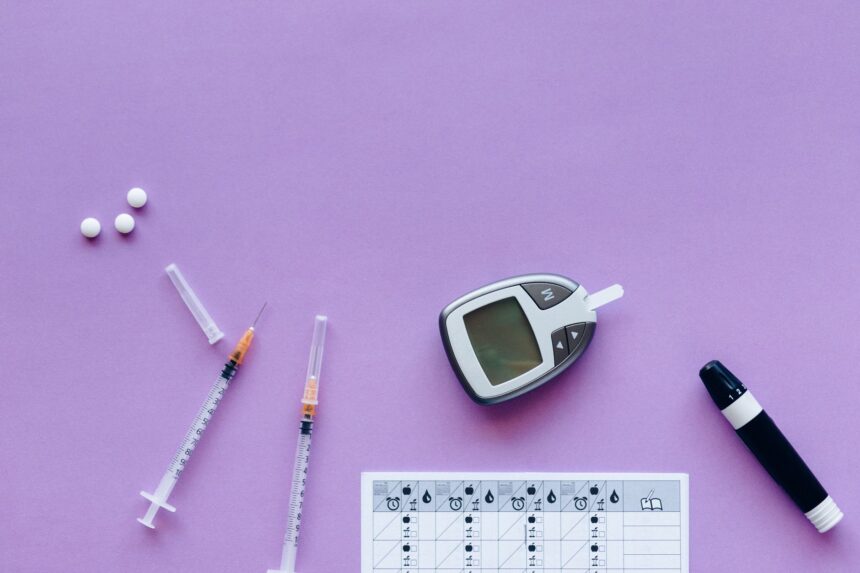
Medical vial of insulin with syringe representing diabetes treatment access challenges
More than a century after its discovery, insulin remains inaccessible to millions despite being a WHO essential medicine. Access barriers continue to prevent effective diabetes management globally. — Photo by Nataliya Vaitkevich on Pexels (Pexels License)
SHARE
1 min read|142 words

Three major obstacles continue to obstruct insulin access for millions despite its essential medicine status: complex manufacturing requirements and cold-chain storage demands, persistent economic barriers that inflate treatment costs, and fragmented supply chains in resource-limited settings. Healthcare professionals and policymakers must understand these interconnected challenges to develop effective solutions.

Manufacturing insulin requires sophisticated biotechnology infrastructure and strict temperature-controlled distribution networks—capabilities that remain limited in many low- and middle-income countries. Economic barriers further restrict access, as insulin pricing often exceeds affordability thresholds for vulnerable populations despite WHO essential medicine designation. Supply chain gaps disproportionately affect regions with weaker healthcare infrastructure, creating dangerous treatment gaps. Addressing these practical barriers requires multi-sector coordination including technology transfer agreements, cost-reduction initiatives, and investment in regional manufacturing capacity to ensure Type 1 diabetes patients globally can access this life-sustaining treatment consistently.

Read the full article on GMJ Newsroom.

Was this article helpful?

GMJ Brief · Takeaway

📰 Read the full article: Insulin Remains Inaccessible to Millions Despite Century of Progress →

Related reference
  • Type 1 Diabetes · Condition
  • Insulin · Drug
Share This Article
Facebook LinkedIn Bluesky Copy Link Print
GMJ
ByProf. Giorgi Pkhakadze
Follow:
Prof. Giorgi Pkhakadze, MD, MPH, PhD, is Editor-in-Chief of the Georgian Medical Journal and Chair of the Public Health Institute of Georgia (PHIG). He is Professor and Head of the Department of Social and Behavioural Sciences at David Tvildiani Medical University, and Secretary/Treasurer of the UEMS Section of Public Health. ORCID: 0000-0001-7609-4515.

Submit Your Paper →

Georgia's peer-reviewed open-access medical journal. No APC until January 2027.
Submit Manuscript →
How Lutein and Zeaxanthin Protect Your Retina from Blue Light Damage

Lutein and zeaxanthin, dietary carotenoid pigments, concentrate in the retina's macula where…

How Modern Diets Damage the Gut Barrier and Drive Chronic Disease

High-fat, low-fibre diets, food additives, and irregular eating patterns damage the gut…

Functional Mushrooms: What the Evidence Actually Shows

Turkey Tail mushroom extract has rigorous clinical evidence and regulatory approval in…

Submit Your Paper to GMJ

No APC until January 2027.
Submit Manuscript →

You Might Also Like

Illustration of decellularized cartilage graft engineering process for pediatric airway reconstruction

CHOP Develops Patient-Specific Cartilage Grafts for Pediatric Airway Reconstruction

By
Prof. Giorgi Pkhakadze
16/07/2026
Medical professionals reviewing air quality data and wood stove health impact research

Key Finding: Edinburgh Physicians Challenge Wood Burning Industry’s Health Claims After Lobbying Investigation

By
Prof. Giorgi Pkhakadze
06/07/2026
Digital clinical trial guidance documents and regulatory framework illustration

Digital Clinical Trial Infrastructure: 65% of EU States Have Fully Implemented Regulatory Frameworks

By
Prof. Giorgi Pkhakadze
12/07/2026
Medical researchers analyzing breast cancer tissue samples in laboratory setting

Notre Dame Research Unveils Distinct Genetic Patterns in Native American Breast Cancer

By
Prof. Giorgi Pkhakadze
08/06/2026
Facebook Twitter Youtube Instagram
Company
  • Privacy Policy
  • Contact US
  • GMJ Journal
  • Submit Manuscript
  • Editorial Team
  • Register at GMJ
  • Terms of Use

Subscribe to GMJ News — Click here

Join Community
© 2026 Georgian Medical Journal (GMJ). Published by the Public Health Institute of Georgia (PHIG). All rights reserved.
Welcome Back!

Sign in to your account

Username or Email Address
Password

Lost your password?

Not a member? Sign Up