By using this site, you agree to the Privacy Policy and Terms of Use.
Accept
GMJ NewsGMJ NewsGMJ News
  • Latest News
    • GMJ Briefs
  • Podcast & Media
    • Podcast Episodes
    • GMJ Audio
    • GMJ Videos
  • Research Digest
    • New Studies
    • Georgian Research
    • Data & Numbers
  • Policy & Systems
    • Health Policy
    • Quality & Safety
    • Migration & Health
    • Global Health
  • Practice
    • Clinical Updates
    • Case Discussions
    • Pharmacy & Prescribing
    • Ingredients A-Z
  • Perspectives
    • Editorial
    • Explainers
    • Voices
    • Letters
  • GMJ Articles
    • Vol. 1 Issue 2 (2026)
    • Vol. 1 Issue 1 (2026)
    • Pre-Launch Articles (2025)
  • Read the Journal →
  • About GMJ News
Notification Show More
Font ResizerAa
GMJ NewsGMJ News
Font ResizerAa
  • Latest News
    • GMJ Briefs
  • Podcast & Media
    • Podcast Episodes
    • GMJ Audio
    • GMJ Videos
  • Research Digest
    • New Studies
    • Georgian Research
    • Data & Numbers
  • Policy & Systems
    • Health Policy
    • Quality & Safety
    • Migration & Health
    • Global Health
  • Practice
    • Clinical Updates
    • Case Discussions
    • Pharmacy & Prescribing
    • Ingredients A-Z
  • Perspectives
    • Editorial
    • Explainers
    • Voices
    • Letters
  • GMJ Articles
    • Vol. 1 Issue 2 (2026)
    • Vol. 1 Issue 1 (2026)
    • Pre-Launch Articles (2025)
  • Read the Journal →
  • About GMJ News
Follow US
GMJ News > Policy & Systems > Health Policy > South Africa’s drug regulator strengthens industry partnerships to improve medicine access
Health PolicyPolicy & Systems

South Africa’s drug regulator strengthens industry partnerships to improve medicine access

GMJ
Last updated: 23/06/2026 18:42
By
GMJ Policy Desk
Share
5 Min Read
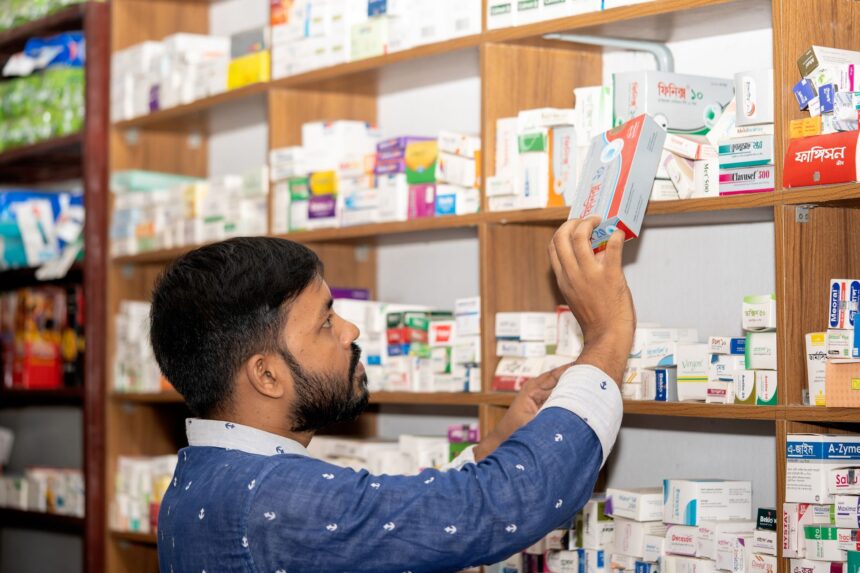
SAHPRA building with pharmaceutical industry collaboration meetingIllustrative image · Photo by Abdul batin on Pexels (Pexels License)
SAHPRA implements quarterly stakeholder engagement sessions with pharmaceutical industry leaders to streamline regulatory processes and improve patient access to essential medicines. The collaborative approach aims to balance safety standards with regulatory efficiency. — Photo by Abdul batin on Pexels (Pexels License)
SHARE
3 min read|677 words
✓ Reviewed by Prof. Giorgi Pkhakadze, MD, MPH, PhD · ORCID 0000-0001-7609-4515

The South African Health Products Regulatory Authority (SAHPRA) has intensified its collaboration with pharmaceutical industry leaders through structured quarterly engagement sessions, aiming to streamline regulatory processes and improve patient access to essential medicines. The initiative, which held its latest session in Johannesburg on 14 May 2026, represents a systematic approach to addressing regulatory bottlenecks that can delay critical drug approvals.

Contents
    • Key takeaways
      • Regulatory collaboration models across emerging markets
  • Structured engagement programme addresses regulatory challenges
  • Balancing safety with access in emerging markets
  • Industry collaboration models gain global traction
    • What this means
  • Frequently asked questions
    • How does industry collaboration affect regulatory independence?
    • What specific benefits do patients gain from these meetings?
    • How does this approach compare to other regulatory authorities?
  • Regional regulatory cooperation expands

Key takeaways

  • SAHPRA maintains structured quarterly meetings with pharmaceutical industry leaders since establishment
  • Collaborative approach targets regulatory efficiency improvements and faster drug approvals
  • Initiative aims to balance rigorous safety standards with improved patient access to medicines
Quarterly
engagement frequency between SAHPRA and industry leaders

Regulatory collaboration models across emerging markets

Structured industry engagement approaches, 2026

4x/year
SAHPRA meetings
12
Key stakeholders
2026
Programme year

Source: SAHPRA, 2026 | Georgian Medical Journal News

Structured engagement programme addresses regulatory challenges

SAHPRA’s quarterly stakeholder meetings with “captains of industry” represent a departure from traditional regulatory approaches, emphasising collaborative problem-solving over purely regulatory oversight. The South African Health Products Regulatory Authority established this programme as part of its commitment to improving regulatory efficiency without compromising safety standards.

Submit Your Paper
GMJ_Submit_Banner

The engagement sessions focus on identifying practical solutions to common regulatory challenges that can delay medicine approvals. Industry representatives and SAHPRA officials work together to streamline submission processes, clarify regulatory requirements, and address specific bottlenecks that may impede patient access to needed treatments.

🎙️ Related Podcast Episodes
🎧 #53 | GMJ Podcast | Palliative Care in Georgia — Health System Gaps, Access Barriers, and Policy Implications · 16m
🎬 NAD⁺ Injections and “NAD Boosters”
🎧 #54 | GMJ Podcast | The Blueprint of a Medical Journal: Designing an Open-Access Scientific Platform · 19m
🎧 #30 | GMJ Podcast | Global Health: Why Health Systems Matter · 15m
🎧 #13 | Six Years After COVID-19: Is the World Better Prepared for the Next Pandemic? · 19m

Balancing safety with access in emerging markets

The collaborative approach reflects broader trends in emerging market regulatory frameworks, where authorities must balance rigorous safety oversight with the urgent need for medicine access. The World Health Organization has increasingly advocated for such collaborative regulatory models, particularly in regions where regulatory capacity may be limited.

SAHPRA’s initiative aligns with health policy trends emphasising stakeholder engagement as a tool for improving regulatory outcomes. The quarterly meeting structure provides predictable opportunities for industry concerns to be addressed while maintaining regulatory independence.

Industry collaboration models gain global traction

Similar collaborative frameworks have emerged across multiple regulatory jurisdictions, with agencies recognising that industry engagement can improve both regulatory efficiency and patient outcomes. The US Food and Drug Administration and European Medicines Agency have established comparable stakeholder engagement programmes.

For South Africa specifically, the SAHPRA initiative addresses unique challenges in the African regulatory landscape, where limited resources and complex supply chains can create additional barriers to medicine access. The collaborative approach may serve as a model for other African regulatory authorities seeking to improve their engagement with industry stakeholders.

Quarterly stakeholder engagement sessions provide structured opportunities for pharmaceutical industry collaboration while maintaining regulatory independence and safety standards

— SAHPRA stakeholder engagement programme (SAHPRA, 2026)

What this means

For patients: Improved regulatory collaboration may lead to faster access to new medicines while maintaining safety standards
For clinicians: Streamlined regulatory processes could reduce delays in accessing new treatment options for patient care
For policymakers: Collaborative regulatory models demonstrate how stakeholder engagement can improve health system outcomes

Frequently asked questions

How does industry collaboration affect regulatory independence?

SAHPRA maintains its regulatory independence while using structured engagement to improve process efficiency. The collaborative approach focuses on procedural improvements rather than compromising safety standards.

What specific benefits do patients gain from these meetings?

Patients may benefit from reduced regulatory delays and improved access to new medicines. The collaboration aims to streamline approval processes without compromising the rigorous safety evaluations that protect patient health.

How does this approach compare to other regulatory authorities?

SAHPRA’s quarterly model reflects global trends toward increased stakeholder engagement. Similar programmes exist at the FDA and EMA, demonstrating the growing recognition of collaboration’s value in regulatory science.

Regional regulatory cooperation expands

The SAHPRA initiative occurs within a broader context of expanding regulatory cooperation across the African continent, with initiatives like the African Medicines Regulatory Harmonisation programme gaining momentum. As regulatory authorities across emerging markets seek to improve both efficiency and safety outcomes, collaborative stakeholder engagement models are likely to become increasingly common. The success of SAHPRA’s quarterly engagement programme may influence regulatory approaches across the region, potentially leading to improved medicine access for millions of patients.

Source: SAHPRA strengthens industry collaboration to improve access to safe medicines

Was this article helpful?

Disclaimer. This article is health journalism intended for general information and education. It is not medical advice and is not a substitute for professional diagnosis or treatment. Always consult a qualified healthcare provider about your individual circumstances. Full disclaimer →

Related Coverage

Indigenous-led health research essential for reconciliation in CanadaJul 5, 2026
WHO Africa Calls for Greater Blood Donation as Critical Shortages Persist Across RegionJul 4, 2026
FDA Issues Safety Alert for Boston Scientific Accolade Pacemakers Over Premature Battery DepletionJul 4, 2026
Trump Administration Proposes Rule to Close Medicare Drug Price Negotiation LoopholeJul 4, 2026
PG
Written by
Prof. Giorgi Pkhakadze, MD, MPH, PhD
Editor-in-Chief, GMJ News
Full profile →  ·  ORCID 0000-0001-7609-4515
Medical disclaimer. This article is health journalism intended for general information. It is not medical advice and is not a substitute for consultation with a qualified healthcare professional. Always seek your physician's advice regarding any medical condition.
Medically reviewed by Prof. Giorgi Pkhakadze, MD, MPH, PhD. Spotted an error? Contact the editorial team.
Get the GMJ News digest
Evidence-based health journalism in your inbox. No spam; unsubscribe anytime.
TAGGED:medicine accesspharmaceutical regulationregulatory collaborationSAHPRASouth Africa health
Share This Article
Facebook LinkedIn Bluesky Copy Link Print
GMJ
ByGMJ Policy Desk
Follow:
GMJ Policy Desk is part of GMJ News, the newsroom of the Georgian Medical Journal (gmj.ge), published by the Public Health Institute of Georgia. Every article is editorially reviewed before publication.
Leave a Comment Leave a Comment

Leave a Reply Cancel reply

Your email address will not be published. Required fields are marked *

Submit Your Paper →

Georgia's peer-reviewed open-access medical journal. No APC until January 2027.
Submit Manuscript →
Minocycline Stroke Trial Debate Highlights Neuroprotection Research Challenges

Scientific debate in The Lancet highlights persistent challenges in stroke neuroprotection research…

Eli Lilly Reports Safety Data for Next-Generation Obesity Drug Retatrutide

Eli Lilly presented new safety data for retatrutide, its triple-hormone obesity drug,…

Pfizer’s Monthly Obesity Drug Shows Promise in Detailed Midstage Trial Data

Detailed midstage trial data provide further evidence that Pfizer's obesity drug berobenatide,…

Submit Your Paper to GMJ

No APC until January 2027.
Submit Manuscript →

You Might Also Like

TrumpRx generic drug partnership announcement with Amazon Pharmacy and GoodRx logos
Health Policy

TrumpRx Expands Generic Drug Portfolio Through Amazon Pharmacy and GoodRx Partnership

By
GMJ Policy Desk
19/05/2026
Medical professional holding blood donation bag with WHO Africa logoIllustrative image · A police officer serving under the African Union Mission in Somalia donates blood at the AMISOM Force Headquarters.jpg by AMISOM Public Information / CC0 via Wikimedia Commons (CC0)
Global HealthPolicy & Systems

WHO Africa Calls for Greater Blood Donation as Critical Shortages Persist Across Region

By
GMJ Policy Desk
04/07/2026
American Diabetes Association conference presentation on MAHA health strategyIllustrative image · "Diabetes Testing Strips" by bodytel is licensed under CC BY-ND 2.0. To view a copy of this license, visit https://creativecommons.org/licenses/by-nd/2.0/. (CC BY-ND 2.0)
Health PolicyPolicy & Systems

NIH Official Promotes MAHA Health Strategy at American Diabetes Conference

By
GMJ Policy Desk
16/06/2026
Map showing Ebola outbreak regions in Central Africa with travel restriction indicators
Global HealthPolicy & Systems

US Travel Restrictions on Ebola-Exposed Regions Draw Human Rights Concerns

By
GMJ Policy Desk
25/05/2026
Facebook Twitter Youtube Instagram
Company
  • Privacy Policy
  • Contact US
  • GMJ Journal
  • Submit Manuscript
  • Editorial Team
  • Register at GMJ
  • Terms of Use

Subscribe to GMJ News — Click here

Join Community
© 2026 Georgian Medical Journal (GMJ). Published by the Public Health Institute of Georgia (PHIG). All rights reserved.
Welcome Back!

Sign in to your account

Username or Email Address
Password

Lost your password?

Not a member? Sign Up