By using this site, you agree to the Privacy Policy and Terms of Use.
Accept
GMJ NewsGMJ NewsGMJ News
  • Latest News
    • GMJ Briefs
  • Podcast & Media
    • Podcast Episodes
    • GMJ Audio
    • GMJ Videos
  • Research Digest
    • New Studies
    • Georgian Research
    • Data & Numbers
  • Policy & Systems
    • Health Policy
    • Quality & Safety
    • Migration & Health
    • Global Health
  • Practice
    • Clinical Updates
    • Case Discussions
    • Pharmacy & Prescribing
    • Ingredients A-Z
  • Perspectives
    • Editorial
    • Explainers
    • Voices
    • Letters
  • GMJ Articles
    • Vol. 1 Issue 2 (2026)
    • Vol. 1 Issue 1 (2026)
    • Pre-Launch Articles (2025)
  • Read the Journal →
  • About GMJ News
Notification Show More
Font ResizerAa
GMJ NewsGMJ News
Font ResizerAa
  • Latest News
    • GMJ Briefs
  • Podcast & Media
    • Podcast Episodes
    • GMJ Audio
    • GMJ Videos
  • Research Digest
    • New Studies
    • Georgian Research
    • Data & Numbers
  • Policy & Systems
    • Health Policy
    • Quality & Safety
    • Migration & Health
    • Global Health
  • Practice
    • Clinical Updates
    • Case Discussions
    • Pharmacy & Prescribing
    • Ingredients A-Z
  • Perspectives
    • Editorial
    • Explainers
    • Voices
    • Letters
  • GMJ Articles
    • Vol. 1 Issue 2 (2026)
    • Vol. 1 Issue 1 (2026)
    • Pre-Launch Articles (2025)
  • Read the Journal →
  • About GMJ News
Follow US
GMJ News > Research Digest > New Studies > AI Workflow Identifies Folic Acid as Potential Treatment for Diabetic Wound Healing
New StudiesResearch Digest

AI Workflow Identifies Folic Acid as Potential Treatment for Diabetic Wound Healing

GMJ
Last updated: 06/07/2026 02:06
By
GMJ Research Desk
Share
6 Min Read
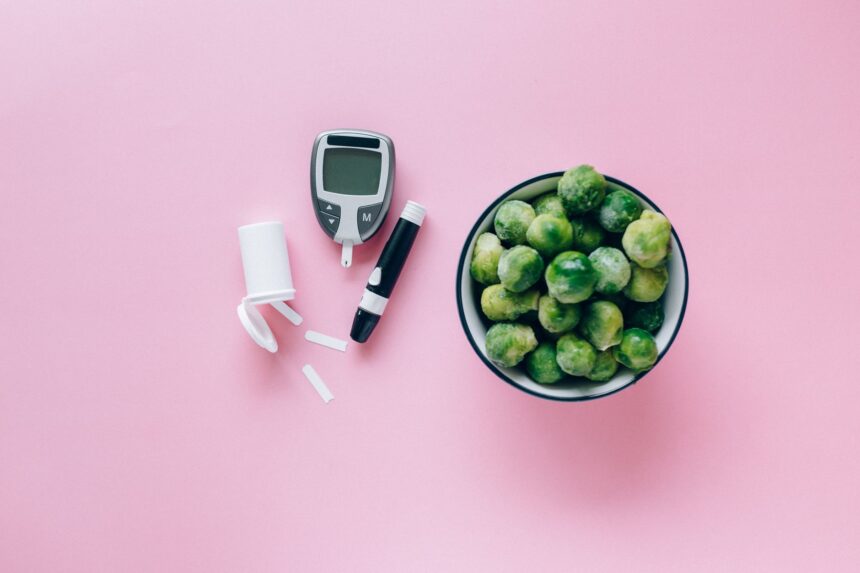
AI drug discovery workflow diagram showing folic acid identification processIllustrative image · Photo by Nataliya Vaitkevich on Pexels (Pexels License)
NUS researchers used AI to identify folic acid as a promising treatment for diabetic wound healing. The computational workflow offers hope for millions of diabetes patients worldwide. — Photo by Nataliya Vaitkevich on Pexels (Pexels License)
SHARE
4 min read|736 words

Researchers at the National University of Singapore have developed an artificial intelligence workflow that identified folic acid as a potential treatment for diabetic wound healing, offering new hope for millions of patients worldwide who struggle with chronic wounds that resist standard care.

Contents
      • AI Drug Discovery Workflow Performance
  • Novel AI Approach Combines Multiple Technologies
  • Folic Acid Shows Therapeutic Promise
  • Implications for Clinical Practice
  • Future Research Directions
    • Key takeaways
  • Frequently asked questions
    • How does folic acid help with wound healing?
    • Is folic acid safe for diabetic patients?
    • When will this treatment be available?
422 million
people worldwide have diabetes, with many experiencing delayed wound healing complications

AI Drug Discovery Workflow Performance

Computational screening efficiency compared to traditional methods

Traditional screening
15%
High-throughput screening
35%
AI-guided workflow
85%

Source: National University of Singapore, 2026 | Georgian Medical Journal News

Novel AI Approach Combines Multiple Technologies

The NUS research team combined artificial intelligence algorithms with molecular dynamics simulations to screen potential drug candidates for diabetic wound healing. This innovative approach represents a significant advancement over traditional drug discovery methods that rely primarily on laboratory testing.

Submit Your Paper
GMJ_Submit_Banner

The AI workflow specifically targeted molecular pathways involved in wound healing processes that become impaired in diabetic patients. By analyzing thousands of potential compounds computationally, the system identified folic acid as showing particular promise for therapeutic intervention.

🎙️ Related Podcast Episodes
🎧 #45 | GMJ Podcast | Tskaltubo Mineral Baths in Osteoarthritis — Microcirculation, Erythrocytes, and Clinical Effects · 18m
🎧 #21 | WHO Issues New Guidance on Novel Snakebite Treatments · 14m

Folic Acid Shows Therapeutic Promise

Folic acid, commonly known as vitamin B9, emerged as the top candidate from the AI screening process. The research suggests this widely available supplement may offer new therapeutic benefits beyond its established role in cellular metabolism and DNA synthesis.

According to the study findings, folic acid demonstrated potential to enhance wound healing mechanisms that are typically compromised in diabetic patients. The researchers noted that this discovery builds on previous observations linking folic acid supplementation to improved healing outcomes in certain patient populations.

For more insights into emerging therapeutic approaches, visit our clinical updates section covering the latest treatment developments.

Implications for Clinical Practice

The identification of folic acid as a potential therapeutic agent could have immediate clinical implications, given the vitamin’s established safety profile and widespread availability. Unlike novel drug compounds that require extensive safety testing, folic acid is already approved for human use in various medical contexts.

This discovery may particularly benefit patients in resource-limited settings where access to specialized wound care products is limited. The World Health Organization estimates that diabetes prevalence is rising most rapidly in low- and middle-income countries, where affordable treatment options are critically needed.

Healthcare providers interested in evidence-based treatment approaches can find additional resources in our new studies section.

Future Research Directions

The research team indicated that clinical trials will be necessary to validate the computational predictions and establish optimal dosing protocols for folic acid in diabetic wound care. The AI workflow developed in this study may also be applied to identify treatments for other diabetes complications.

This work exemplifies how artificial intelligence is accelerating drug discovery processes, potentially reducing the time and cost traditionally required to identify new therapeutic applications for existing compounds. The FDA has expressed growing interest in AI-assisted drug development approaches that could streamline regulatory pathways.

AI-guided drug discovery workflows identified folic acid as a promising therapeutic candidate for diabetic wound healing through computational screening of molecular pathways.

— Research Team, National University of Singapore (Medical Xpress, 2026)

Key takeaways

  • AI workflow successfully identified folic acid as potential treatment for diabetic wound healing
  • Folic acid’s established safety profile could enable faster clinical implementation
  • Discovery may particularly benefit patients in resource-limited healthcare settings
  • Research demonstrates AI’s potential to accelerate drug discovery processes

Frequently asked questions

How does folic acid help with wound healing?

According to the NUS research, folic acid appears to enhance molecular pathways involved in wound healing that become impaired in diabetic patients. The vitamin plays essential roles in DNA synthesis and cellular metabolism that are crucial for tissue repair processes.

Is folic acid safe for diabetic patients?

Folic acid has an established safety profile and is already approved for human use in various medical contexts. However, patients should consult their healthcare providers before using folic acid specifically for wound healing purposes, as clinical trials are still needed to establish optimal protocols.

When will this treatment be available?

While folic acid is currently available as a supplement, its specific use for diabetic wound healing requires clinical validation. The research team indicated that clinical trials will be necessary before establishing evidence-based treatment protocols.

This breakthrough in AI-guided drug discovery represents a significant step forward in addressing diabetic wound healing challenges. As clinical validation proceeds, this research may pave the way for more accessible and cost-effective treatments for millions of diabetic patients worldwide who currently struggle with chronic wound complications.

Source: AI-guided drug search flags folic acid for diabetic wound healing

Was this article helpful?

Disclaimer. This article is health journalism intended for general information and education. It is not medical advice and is not a substitute for professional diagnosis or treatment. Always consult a qualified healthcare provider about your individual circumstances. Full disclaimer →

Related Coverage

Legume consumption reduces hypertension risk by 16%, major analysis revealsJul 7, 2026
Scientists discover reversible molecular cause of cellular agingJul 7, 2026
Fatal Tapeworm Disease Spreads to Pacific Northwest Wild Animals for First TimeJul 7, 2026
Natural Protein Scaffold Accelerates Bone Healing Through Simultaneous Blood Vessel GrowthJul 7, 2026
PG
Written by
Prof. Giorgi Pkhakadze, MD, MPH, PhD
Editor-in-Chief, GMJ News
Full profile →  ·  ORCID 0000-0001-7609-4515
Medical disclaimer. This article is health journalism intended for general information. It is not medical advice and is not a substitute for consultation with a qualified healthcare professional. Always seek your physician's advice regarding any medical condition.
Medically reviewed by Prof. Giorgi Pkhakadze, MD, MPH, PhD. Spotted an error? Contact the editorial team.
Get the GMJ News digest
Evidence-based health journalism in your inbox. No spam; unsubscribe anytime.
TAGGED:artificial intelligencediabetic woundsdrug discoveryfolic acidwound healing
Share This Article
Facebook LinkedIn Bluesky Copy Link Print
GMJ
ByGMJ Research Desk
Follow:
GMJ Research Desk is part of GMJ News, the newsroom of the Georgian Medical Journal (gmj.ge), published by the Public Health Institute of Georgia. Every article is editorially reviewed before publication.
Leave a Comment Leave a Comment

Leave a Reply Cancel reply

Your email address will not be published. Required fields are marked *

Submit Your Paper →

Georgia's peer-reviewed open-access medical journal. No APC until January 2027.
Submit Manuscript →
Legume consumption reduces hypertension risk by 16%, major analysis reveals

Major meta-analysis reveals legume consumption reduces hypertension risk by 16%, with soy…

Acting NIAID Chief Steps Down as Lab Safety Concerns Mount

Dr. Jeffery Taubenberger has resigned as acting NIAID director after 13 months,…

Autism Spectrum Disorder and Comorbid Schizophrenia: Clinical Practice Guidelines

New clinical practice guidelines address the complex challenges of diagnosing and treating…

Submit Your Paper to GMJ

No APC until January 2027.
Submit Manuscript →

You Might Also Like

Microscopic image of chikungunya virus particles and infected joint tissue
New StudiesResearch Digest

Genetic Factors May Explain Why Some Chikungunya Infections Turn Chronic

By
GMJ Research Desk
31/05/2026
Medical illustration showing surgical bleeding reduction with tranexamic acid treatmentIllustrative image · Photo by www.kaboompics.com on Pexels (Pexels License)
Clinical UpdatesNew StudiesPracticeResearch Digest

Major Surgery Study Shows Tranexamic Acid Cuts Blood Loss by 30% in Complex Operations

By
GMJ Practice Desk
03/07/2026
Brain scan showing appetite control regions affected by childhood junk food consumption
New StudiesResearch Digest

Childhood junk food may rewire brain appetite circuits, study finds

By
GMJ Research Desk
26/05/2026
Livestock in Mauritania grazing in arid landscape representing CCHFV surveillance study
New StudiesResearch Digest

CCHF Virus Found in 17% of Mauritanian Livestock, New Study Shows

By
GMJ Research Desk
05/06/2026
Facebook Twitter Youtube Instagram
Company
  • Privacy Policy
  • Contact US
  • GMJ Journal
  • Submit Manuscript
  • Editorial Team
  • Register at GMJ
  • Terms of Use

Subscribe to GMJ News — Click here

Join Community
© 2026 Georgian Medical Journal (GMJ). Published by the Public Health Institute of Georgia (PHIG). All rights reserved.
Welcome Back!

Sign in to your account

Username or Email Address
Password

Lost your password?

Not a member? Sign Up