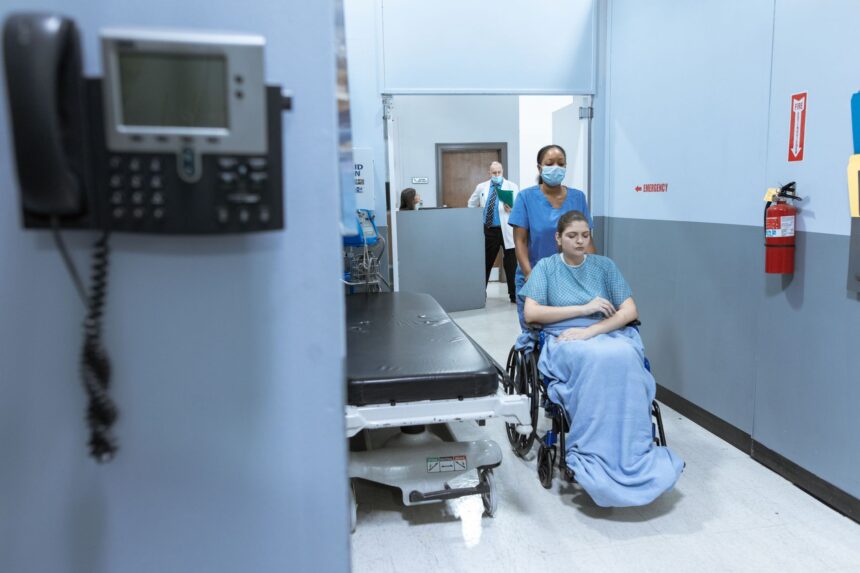
RaDonda Vaught, the Tennessee nurse convicted of negligent homicide after a fatal medication error, has transformed her case into a cautionary tale about systemic failures in hospital safety protocols. KFF Health News reports that Vaught now delivers speeches nationwide about preventing medical errors in an era of increasing automation and artificial intelligence.
Medical Errors Rank Among Leading Causes of Death
Estimated annual deaths by cause in the United States
Source: Johns Hopkins, CDC | Georgian Medical Journal News
A Fatal Error That Changed Everything
Vaught’s case began in 2017 when she accidentally administered vecuronium, a paralytic agent, instead of Versed, a sedative, to 75-year-old Charlene Murphey at Vanderbilt University Medical Center. The error proved fatal, leading to Vaught’s conviction in 2022 for negligent homicide and abuse of an impaired adult.

According to court records reported by KFF Health News, the error occurred when Vaught bypassed multiple safety protocols while using an automated medication dispensing system. The case sent shockwaves through the nursing profession, raising concerns about criminalizing medical errors versus addressing systemic safety failures.
From Conviction to Advocacy
Rather than retreating from public life, Vaught has embraced a role as a patient safety advocate. She now delivers presentations at hospitals and medical conferences, emphasizing the need for robust safety systems that can prevent errors even when individual practitioners make mistakes.
“We need to build systems that are resilient to human error,” Vaught told audiences, according to KFF Health News. Her speeches focus on the intersection of technology, human factors, and patient safety, particularly as healthcare becomes increasingly automated.
The World Health Organization estimates that unsafe care results in 2.6 million deaths annually in low- and middle-income countries alone, making patient safety a global health priority.
Technology and the Future of Medication Safety
Vaught’s case highlights ongoing challenges in medication administration as hospitals adopt new technologies. Electronic medication administration records and barcode scanning systems have reduced errors, but gaps remain when safety protocols are bypassed or systems fail.
Research published in the Journal of Patient Safety suggests that while technology has prevented many errors, it has also introduced new types of mistakes related to system design and user interface issues. Healthcare leaders are now grappling with how artificial intelligence and automated systems can further enhance safety while maintaining appropriate human oversight.
The case continues to influence policy discussions about quality and safety in healthcare settings, with many advocating for a focus on system-level improvements rather than individual blame.
Medical errors are now estimated to be the third leading cause of death in the United States, claiming approximately 250,000 lives annually through preventable mistakes in diagnosis, treatment, and medication administration.
— Dr. Martin Makary, Johns Hopkins University (BMJ, 2016)
Key takeaways
- Fatal medication errors can result from systemic failures in hospital safety protocols, not just individual mistakes
- Medical errors rank as the third leading cause of death in the US, with an estimated 250,000 annual fatalities
- Technology solutions must be coupled with robust safety systems that account for human factors and potential system bypasses
- Patient safety advocacy can emerge from tragic cases, driving improvements in healthcare protocols and training
Frequently asked questions
How common are fatal medication errors in hospitals?
Johns Hopkins research estimates that medical errors, including medication mistakes, cause approximately 250,000 deaths annually in the United States. However, many errors are preventable through proper safety protocols and system design.
What safety measures prevent medication errors?
Hospitals use multiple safety barriers including barcode scanning, electronic medication records, double-checking protocols, and automated dispensing systems. The key is ensuring these systems work together and cannot be easily bypassed under pressure.
How has RaDonda Vaught’s case influenced nursing practice?
The case has sparked national discussions about criminalizing medical errors versus focusing on system improvements. Many healthcare organizations have reviewed their safety protocols and emphasized the importance of just culture approaches that encourage error reporting without fear of punishment.
Vaught’s transformation from convicted nurse to safety advocate represents a complex evolution in how healthcare addresses medical errors. As hospitals continue integrating advanced technologies and artificial intelligence, her message about building resilient systems capable of preventing human error becomes increasingly relevant for protecting patient safety across all care settings.
Source: Nurse Convicted in Patient’s Death Turns Fatal Drug Error Into a Cautionary Tale
Was this article helpful?
Disclaimer. This article is health journalism intended for general information and education. It is not medical advice and is not a substitute for professional diagnosis or treatment. Always consult a qualified healthcare provider about your individual circumstances. Full disclaimer →
Related Coverage



Medically reviewed by Prof. Giorgi Pkhakadze, MD, MPH, PhD. Spotted an error? Contact the editorial team.