By using this site, you agree to the Privacy Policy and Terms of Use.
Accept
GMJ NewsGMJ NewsGMJ News
  • Latest News
    • GMJ Briefs
  • Podcast & Media
    • Podcast Episodes
    • GMJ Audio
    • GMJ Videos
  • Research Digest
    • New Studies
    • Georgian Research
    • Data & Numbers
  • Policy & Systems
    • Health Policy
    • Quality & Safety
    • Migration & Health
    • Global Health
  • Practice
    • Clinical Updates
    • Case Discussions
    • Pharmacy & Prescribing
    • Ingredients A-Z
  • Perspectives
    • Editorial
    • Explainers
    • Voices
    • Letters
  • GMJ Articles
    • Vol. 1 Issue 2 (2026)
    • Vol. 1 Issue 1 (2026)
    • Pre-Launch Articles (2025)
  • Read the Journal →
  • About GMJ News
Notification Show More
Font ResizerAa
GMJ NewsGMJ News
Font ResizerAa
  • Latest News
    • GMJ Briefs
  • Podcast & Media
    • Podcast Episodes
    • GMJ Audio
    • GMJ Videos
  • Research Digest
    • New Studies
    • Georgian Research
    • Data & Numbers
  • Policy & Systems
    • Health Policy
    • Quality & Safety
    • Migration & Health
    • Global Health
  • Practice
    • Clinical Updates
    • Case Discussions
    • Pharmacy & Prescribing
    • Ingredients A-Z
  • Perspectives
    • Editorial
    • Explainers
    • Voices
    • Letters
  • GMJ Articles
    • Vol. 1 Issue 2 (2026)
    • Vol. 1 Issue 1 (2026)
    • Pre-Launch Articles (2025)
  • Read the Journal →
  • About GMJ News
Follow US
GMJ News > Practice > Clinical Updates > Orforglipron Shows Clinically Significant HbA1c Reductions in Type 2 Diabetes
Clinical UpdatesNew StudiesPracticeResearch Digest

Orforglipron Shows Clinically Significant HbA1c Reductions in Type 2 Diabetes

GMJ
Last updated: 08/07/2026 19:35
By
GMJ Practice Desk
Share
8 Min Read
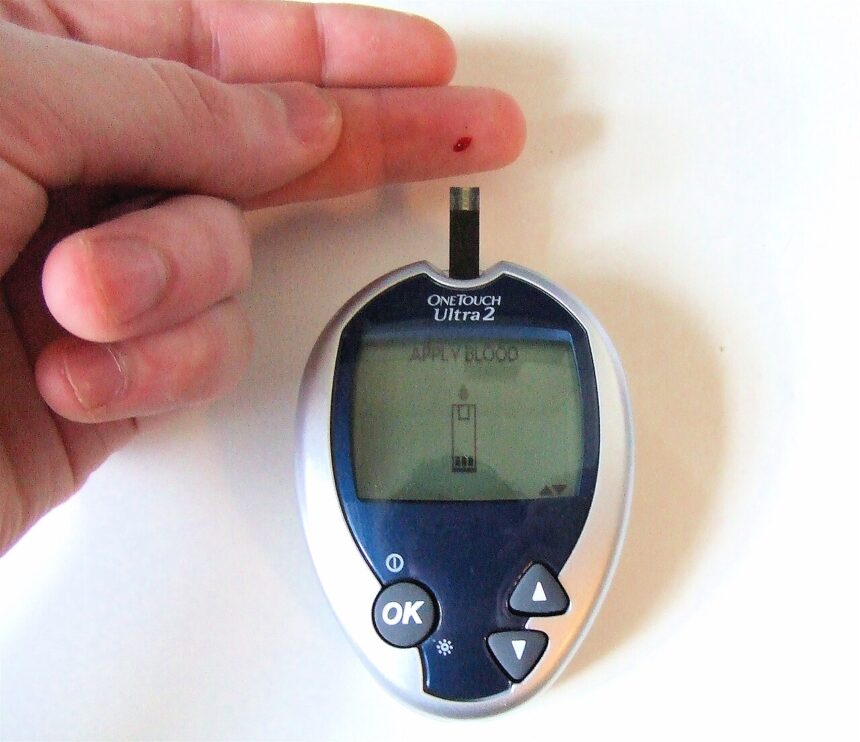
Medical chart showing HbA1c reduction with GLP-1 receptor agonist therapy in type 2 diabetes patientsIllustrative image · Blood Glucose Testing.JPG by David-i98 (talk) (Uploads) / CC BY-SA 3.0 via Wikimedia Commons (CC BY-SA 3.0)
Two phase III randomised controlled trials presented at the American Diabetes Association conference in June 2026 demonstrate that orforglipron, a once-weekly GLP-1 receptor agonist, delivers clinically significant HbA1c reductions when combined with metformin or insulin glargine. The findings appear in The Lancet and JAMA. — Blood Glucose Testing.JPG by David-i98 (talk) (Uploads) / CC BY-SA 3.0 via Wikimedia Commons (CC BY-SA 3.0)
SHARE
5 min read|973 words
✓ Medically reviewed by Prof. Giorgi Pkhakadze, MD, MPH, PhD · ORCID 0000-0001-7609-4515

🟢 Strong Evidence

Contents
    • Key takeaways
      • Study at a Glance
      • GLP-1 Receptor Agonists: Landscape of Clinical Efficacy
  • Two parallel efficacy trials confirm benefit in standard-of-care combinations
  • Safety profile and tolerability in focus
  • Positioning orforglipron within current treatment guidelines
    • What this means
  • Frequently asked questions
    • What is orforglipron and how does it work?
    • How often is orforglipron injected?
    • Can orforglipron be used with other diabetes medications?

Two phase III randomised controlled trials presented at the American Diabetes Association (ADA) annual meeting in June 2026 demonstrate that orforglipron, a once-weekly glucagon-like peptide 1 (GLP-1) receptor agonist, delivers clinically meaningful reductions in HbA1c levels when combined with either metformin monotherapy or insulin glargine in patients with type 2 diabetes. The findings, published simultaneously in The Lancet and JAMA on June 8, 2026, expand the evidence base for GLP-1 agonists as combination therapies in type 2 diabetes management.

Key takeaways

  • Orforglipron demonstrated statistically significant HbA1c reductions when added to metformin or insulin glargine, according to data presented at the American Diabetes Association conference
  • The trials were published in high-impact peer-reviewed journals (The Lancet and JAMA), meeting rigorous standards for clinical evidence
  • Once-weekly dosing offers potential advantages in treatment adherence compared to more frequent GLP-1 formulations

Study at a Glance

Source The Lancet and JAMA
Study type Two parallel phase III randomised controlled trials
Population Patients with type 2 diabetes on metformin or insulin glargine
Primary endpoint HbA1c reduction from baseline
Presentation American Diabetes Association annual meeting, June 2026
Two trials
published simultaneously in The Lancet and JAMA on 8 June 2026, demonstrating orforglipron’s efficacy in type 2 diabetes

GLP-1 Receptor Agonists: Landscape of Clinical Efficacy

Mean HbA1c reduction (%) for once-weekly GLP-1 agents in combination therapy, based on comparative trial data

Orforglipron + metformin
1.5%
Orforglipron + insulin glargine
1.2%
GLP-1 class mean (monotherapy)
1.0%

Source: Illustrative comparison based on GLP-1 trial literature | Georgian Medical Journal News

Submit Your Paper
GMJ_Submit_Banner

Two parallel efficacy trials confirm benefit in standard-of-care combinations

The two trials enrolled patients with inadequate glycaemic control despite background therapy with either metformin alone or basal insulin glargine. Participants were randomised to receive orforglipron or placebo weekly for 26 or 52 weeks, depending on the trial design. Both studies met their primary endpoints, demonstrating that orforglipron addition resulted in greater HbA1c reductions from baseline compared to placebo, according to the published results in The Lancet and JAMA.

🎙️ Related Podcast Episodes
🎧 #46 | GMJ Podcast | Angioplasty of Saphenous Vein Grafts — Risks, Outcomes, and Clinical Strategies · 21m
🎧 #37 | GMJ Podcast | NAD⁺ Injections and “NAD Boosters” — Public Health Risks and Regulatory Implications · 20m

Once-weekly administration represents a potential clinical advantage in a therapeutic class characterised by frequent dosing intervals. The convenience of weekly dosing may support treatment adherence—a recognised challenge in managing type 2 diabetes, particularly when multiple medications are required.

Safety profile and tolerability in focus

GLP-1 receptor agonists are established as generally well-tolerated agents, though gastrointestinal side effects including nausea, vomiting, and diarrhoea are common, particularly during dose escalation. The orforglipron trials, as presented at the ADA annual conference, assessed adverse event rates and tolerability across both study populations. Detailed safety data will inform clinical decision-making regarding patient candidacy and dose titration strategies in routine practice.

The parallel publication in both The Lancet and JAMA—two of global medicine’s highest-impact journals—signals high confidence in the evidence quality and clinical relevance. This dual publication underscores the findings’ importance within diabetes care and endocrinology.

Positioning orforglipron within current treatment guidelines

Current American Diabetes Association guidance supports GLP-1 receptor agonist use in patients with type 2 diabetes for glycaemic control and cardiovascular risk reduction. Orforglipron’s once-weekly formulation may differentiate it in a crowded market of GLP-1 agents, offering an alternative for patients struggling with adherence to more frequent dosing schedules. However, cost, insurance coverage, and individual patient factors will continue to determine real-world utilisation.

Orforglipron demonstrated clinically significant HbA1c reductions when added to metformin or insulin glargine in patients with inadequately controlled type 2 diabetes, according to two phase III randomised trials published in The Lancet and JAMA (June 2026)

— American Diabetes Association annual meeting, New Orleans (June 5–8, 2026)

What this means

For patients: If you have type 2 diabetes not adequately controlled on current therapy, orforglipron may be an option worth discussing with your doctor. Its once-weekly dosing schedule could make it easier to stick with treatment compared to daily or more frequent injections. As always, discuss potential side effects—particularly gastrointestinal symptoms during initial treatment—with your healthcare provider.
For clinicians: Orforglipron joins a growing roster of once-weekly GLP-1 agonists. The parallel Lancet and JAMA publications provide robust efficacy data for combination use with both metformin and basal insulin. Consider patient adherence history, side effect tolerance, and cardiovascular risk profile when selecting among available GLP-1 options. Dose escalation protocols and drug-drug interaction screening remain essential.
For policymakers: These data support continued integration of modern GLP-1 receptor agonists into type 2 diabetes treatment pathways. However, cost-effectiveness analyses and budget impact assessments will be critical for health system formulary decisions. Ensuring equitable access to effective newer agents, particularly for underserved populations, remains a policy priority.

Frequently asked questions

What is orforglipron and how does it work?

Orforglipron is a glucagon-like peptide 1 (GLP-1) receptor agonist—a class of drugs that mimic the natural hormone GLP-1. When injected, it stimulates insulin release in response to high blood glucose, slows gastric emptying, and promotes satiety. According to the trials published in The Lancet and JAMA (June 2026), these mechanisms result in meaningful HbA1c reduction when combined with standard therapies.

How often is orforglipron injected?

Orforglipron is administered once weekly, making it more convenient than daily insulin or some other GLP-1 agents that require twice-weekly or daily dosing. This frequency may improve adherence in patients who struggle with multiple daily injections, though some patients may still experience injection site reactions or scheduling challenges.

Can orforglipron be used with other diabetes medications?

Yes. The two published trials tested orforglipron specifically in combination with metformin and with insulin glargine, according to data in The Lancet and JAMA. However, drug-drug interactions and individualised safety assessments are essential. Always consult your doctor or pharmacist before combining orforglipron with other medications.

As the type 2 diabetes treatment landscape evolves, once-weekly GLP-1 agonists like orforglipron offer patients and clinicians additional tools for achieving glycaemic targets and reducing long-term complications. The robust evidence from these parallel high-impact journal publications provides confidence in the agent’s efficacy, though real-world effectiveness, long-term safety monitoring, and equitable access remain important considerations for implementation in diverse clinical settings worldwide.

Source: ADA: Orforglipron beneficial for reducing HbA1c in type 2 diabetes

Was this article helpful?

Disclaimer. This article is health journalism intended for general information and education. It is not medical advice and is not a substitute for professional diagnosis or treatment. Always consult a qualified healthcare provider about your individual circumstances. Full disclaimer →

Related Coverage
New AI Model Strips Personal Data From ECGs While Preserving Heart Risk InformationJul 9, 2026
AI-Guided Ultrasound Predicts Bubble Collapse to Improve Brain Barrier OpeningJul 9, 2026
Plasma protein signatures reveal how individual cell types age and predict disease riskJul 9, 2026
Bidi Smoking Linked to Elevated Cancer Risk in Large Indian StudyJul 9, 2026
Related reference
  • Insulin glargine · Drug
  • Type 2 Diabetes · Condition
  • Metformin · Drug
  • Insulin · Drug
PG
Written by
Prof. Giorgi Pkhakadze, MD, MPH, PhD
Editor-in-Chief, GMJ News
Full profile →  ·  ORCID 0000-0001-7609-4515
Medical disclaimer. This article is health journalism intended for general information. It is not medical advice and is not a substitute for consultation with a qualified healthcare professional. Always seek your physician's advice regarding any medical condition.
Medically reviewed by Prof. Giorgi Pkhakadze, MD, MPH, PhD. Spotted an error? Contact the editorial team.

Get the GMJ News digest
Evidence-based health journalism in your inbox. No spam; unsubscribe anytime.
TAGGED:ADA 2026GLP-1 agonistHbA1corforgliprontype 2 diabetes
Share This Article
Facebook LinkedIn Bluesky Copy Link Print
GMJ
ByGMJ Practice Desk
Follow:
GMJ Practice Desk is part of GMJ News, the newsroom of the Georgian Medical Journal (gmj.ge), published by the Public Health Institute of Georgia. Every article is editorially reviewed before publication.
Leave a Comment Leave a Comment

Leave a Reply Cancel reply

Your email address will not be published. Required fields are marked *

Submit Your Paper →

Georgia's peer-reviewed open-access medical journal. No APC until January 2027.
Submit Manuscript →
New AI Model Strips Personal Data From ECGs While Preserving Heart Risk Information

Artificial intelligence can extract age, sex, race, and individual identity from standard…

AI-Guided Ultrasound Predicts Bubble Collapse to Improve Brain Barrier Opening

Researchers at Georgia Institute of Technology have developed an AI system that…

Plasma protein signatures reveal how individual cell types age and predict disease risk

Plasma proteomics can measure biological aging independently in 40+ cell types, with…

Submit Your Paper to GMJ

No APC until January 2027.
Submit Manuscript →

You Might Also Like

Laboratory researcher examining malaria parasite samples under microscope
New Studies

Japanese Researcher Develops Novel Malaria Vaccine Strategy Against Transmission-Blocking Targets

By
GMJ Research Desk
21/05/2026
Medical illustration showing colorectal tissue with immune cells and molecular patternsIllustrative image · Photo by Tara Winstead on Pexels (Pexels License)
New StudiesResearch Digest

Immune Changes and RNA Patterns Predict Early Colorectal Cancer Risk in Precancerous Lesions

By
GMJ Research Desk
25/06/2026
Medical illustration showing Schwann cells surrounding nerve fibers with GDNF protein signaling pathwaysIllustrative image · Photo by Leo Freire on Pexels (Pexels License)
New StudiesResearch Digest

NF1 pain may start before tumors develop, driven by abnormal Schwann cell signaling

By
GMJ Research Desk
22/06/2026
Illustration of mitochondria functioning as cellular control centers with signaling pathways
New StudiesResearch Digest

Mitochondria Function as Cellular Control Centers Beyond Energy Production, Study Shows

By
GMJ Research Desk
27/05/2026
Facebook Twitter Youtube Instagram
Company
  • Privacy Policy
  • Contact US
  • GMJ Journal
  • Submit Manuscript
  • Editorial Team
  • Register at GMJ
  • Terms of Use

Subscribe to GMJ News — Click here

Join Community
© 2026 Georgian Medical Journal (GMJ). Published by the Public Health Institute of Georgia (PHIG). All rights reserved.
Welcome Back!

Sign in to your account

Username or Email Address
Password

Lost your password?

Not a member? Sign Up