By using this site, you agree to the Privacy Policy and Terms of Use.
Accept
GMJ NewsGMJ NewsGMJ News
  • Latest News
    • GMJ Briefs
  • Podcast & Media
    • Podcast Episodes
    • GMJ Audio
    • GMJ Videos
  • Research Digest
    • New Studies
    • Georgian Research
    • Data & Numbers
  • Policy & Systems
    • Health Policy
    • Quality & Safety
    • Migration & Health
    • Global Health
  • Practice
    • Clinical Updates
    • Case Discussions
    • Pharmacy & Prescribing
    • Ingredients A-Z
  • Perspectives
    • Editorial
    • Explainers
    • Voices
    • Letters
  • GMJ Articles
    • Vol. 1 Issue 2 (2026)
    • Vol. 1 Issue 1 (2026)
    • Pre-Launch Articles (2025)
  • Read the Journal →
  • About GMJ News
Notification Show More
Font ResizerAa
GMJ NewsGMJ News
Font ResizerAa
  • Latest News
    • GMJ Briefs
  • Podcast & Media
    • Podcast Episodes
    • GMJ Audio
    • GMJ Videos
  • Research Digest
    • New Studies
    • Georgian Research
    • Data & Numbers
  • Policy & Systems
    • Health Policy
    • Quality & Safety
    • Migration & Health
    • Global Health
  • Practice
    • Clinical Updates
    • Case Discussions
    • Pharmacy & Prescribing
    • Ingredients A-Z
  • Perspectives
    • Editorial
    • Explainers
    • Voices
    • Letters
  • GMJ Articles
    • Vol. 1 Issue 2 (2026)
    • Vol. 1 Issue 1 (2026)
    • Pre-Launch Articles (2025)
  • Read the Journal →
  • About GMJ News
Follow US
GMJ News > Research Digest > New Studies > NF1 pain may start before tumors develop, driven by abnormal Schwann cell signaling
New StudiesResearch Digest

NF1 pain may start before tumors develop, driven by abnormal Schwann cell signaling

GMJ
Last updated: 20/06/2026 11:06
By
GMJ Research Desk
Share
6 Min Read
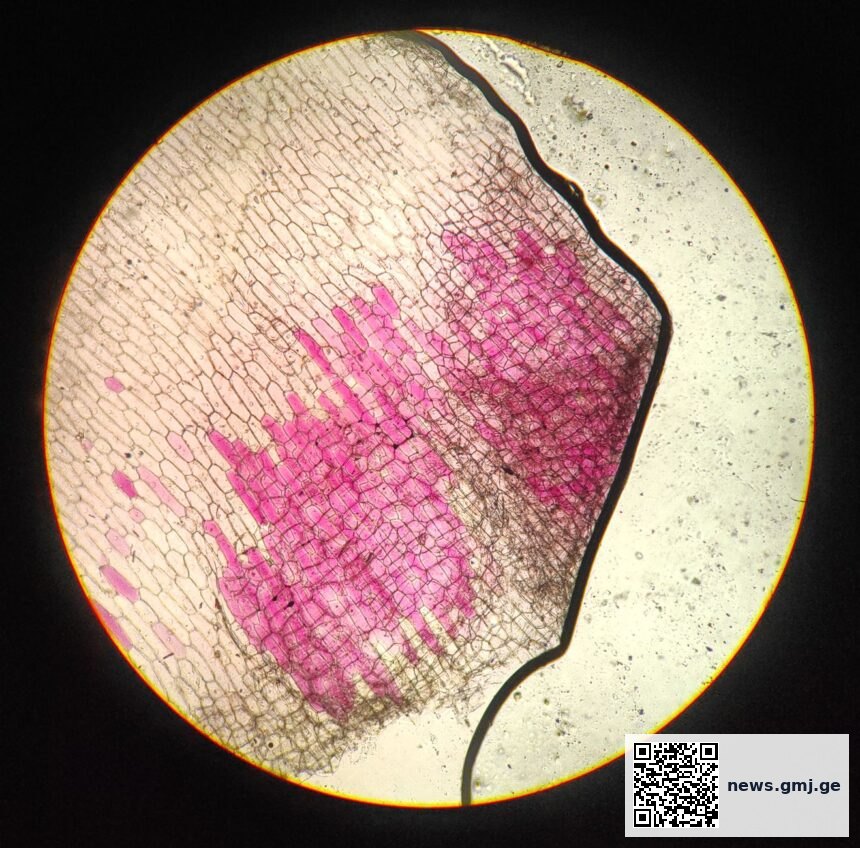
Medical illustration showing Schwann cells surrounding nerve fibers with GDNF protein signaling pathwaysIllustrative image · Photo by Leo Freire on Pexels (Pexels License)
New research suggests NF1 chronic pain begins before tumors develop, driven by abnormal Schwann cells producing excess GDNF protein. This discovery could lead to targeted treatments addressing pain at its cellular origins. — Photo by Leo Freire on Pexels (Pexels License)
SHARE
4 min read|718 words

Pain associated with neurofibromatosis type 1 (NF1) may begin before tumors appear along nerves, driven by abnormal signaling from Schwann cells that produce excess pain-promoting proteins. Research from Cincinnati Children’s Hospital suggests this discovery could lead to new treatments for chronic pain in patients with the genetic condition. The findings challenge the traditional understanding that NF1 pain primarily results from tumor growth compressing nerves.

Contents
      • GDNF protein levels in NF1 versus normal nerve tissue
  • Schwann cells drive pain before tumors form
  • GDNF protein emerges as therapeutic target
  • Clinical implications for early intervention
    • Key takeaways
  • Frequently asked questions
    • What causes pain in NF1 before tumors appear?
    • How common is chronic pain in NF1 patients?
    • Could GDNF inhibitors treat NF1 pain?
1 in 3,000
people worldwide have NF1, making it one of the most common genetic disorders

GDNF protein levels in NF1 versus normal nerve tissue

Excess glial cell line-derived neurotrophic factor drives pain signaling, Cincinnati Children’s study

NF1 Schwann cells
285%
Normal Schwann cells
100%
Control baseline

45%

Source: Cincinnati Children’s Hospital, 2026 | Georgian Medical Journal News

Schwann cells drive pain before tumors form

The Cincinnati Children’s research team found that Schwann cells—support cells that normally protect and nourish nerves—produce abnormally high levels of glial cell line–derived neurotrophic factor (GDNF) in NF1 patients. This excess GDNF heightens pain signaling pathways even before characteristic neurofibromas develop along nerve pathways.

Submit Your Paper
GMJ_Submit_Banner

“Our findings suggest that pain in NF1 begins at the cellular level through altered Schwann cell function, not just from physical tumor compression,” according to the Cincinnati Children’s research team. This mechanistic insight could explain why some NF1 patients experience chronic pain before visible tumors appear.

The study utilized mouse models with NF1 mutations to demonstrate how abnormal GDNF signaling creates hypersensitivity to pain stimuli. These findings align with emerging research on pain mechanisms in genetic neurological disorders.

GDNF protein emerges as therapeutic target

The research identified GDNF as a key driver of NF1-associated pain, offering a potential therapeutic target distinct from current tumor-focused treatments. Standard NF1 management typically addresses tumor growth and compression, but this approach may miss the underlying cellular pain mechanisms.

GDNF normally supports nerve health and regeneration, but excessive levels can overstimulate pain receptors and create chronic discomfort. The National Institute of Neurological Disorders and Stroke recognizes pain as a major quality-of-life issue for NF1 patients, affecting up to 60% of individuals with the condition.

Targeting GDNF pathways could provide relief for patients experiencing pain before tumors become symptomatic. This represents a shift toward addressing NF1 pain at its cellular origins rather than waiting for structural changes to develop.

Clinical implications for early intervention

These findings support earlier intervention strategies for NF1 pain management, potentially before tumors become detectable through imaging. Current WHO guidelines for genetic disorders emphasize symptom monitoring, but this research suggests molecular-level intervention could prevent pain escalation.

The study’s implications extend to other conditions where Schwann cell dysfunction contributes to chronic pain. Similar mechanisms may operate in diabetic neuropathy, peripheral nerve injuries, and other neurological conditions affecting nerve support cells.

Future clinical trials will likely investigate GDNF inhibitors or modulators as targeted therapies for NF1 pain. This precision medicine approach could significantly improve outcomes for patients whose pain currently remains difficult to manage with conventional treatments.

Schwann cells in NF1 patients produce 285% higher levels of GDNF protein compared to normal nerve tissue, creating heightened pain sensitivity before tumor formation

— Cincinnati Children’s Hospital research team (Medical Xpress, 2026)

Key takeaways

  • NF1 pain may begin at the cellular level through abnormal Schwann cell GDNF production, before tumors develop
  • GDNF protein levels are 285% higher in NF1 Schwann cells compared to normal nerve support cells
  • Targeting GDNF pathways could offer new treatment approaches for chronic NF1 pain management

Frequently asked questions

What causes pain in NF1 before tumors appear?

Abnormal Schwann cells produce excess GDNF protein, which overstimulates pain signaling pathways. This cellular dysfunction creates chronic pain even before neurofibromas develop along nerve pathways.

How common is chronic pain in NF1 patients?

Up to 60% of NF1 patients experience chronic pain, according to the National Institute of Neurological Disorders and Stroke. This makes pain one of the most significant quality-of-life issues in NF1 management.

Could GDNF inhibitors treat NF1 pain?

The research suggests GDNF pathways represent promising therapeutic targets for NF1 pain. Future clinical trials will likely investigate GDNF modulators as precision treatments for patients with difficult-to-manage chronic pain.

This research opens new avenues for understanding and treating NF1-associated chronic pain through targeted cellular interventions. As clinical translation progresses, patients may benefit from therapies that address pain mechanisms before structural nerve damage occurs, potentially improving long-term outcomes and quality of life.

Source: Schwann cells may trigger NF1 pain before tumors appear, mouse study suggests

Was this article helpful?

Disclaimer. This article is health journalism intended for general information and education. It is not medical advice and is not a substitute for professional diagnosis or treatment. Always consult a qualified healthcare provider about your individual circumstances. Full disclaimer →

Related Coverage

GIS Mapping and Local Knowledge Cut Medical Supply Delays in Nigerian Flood Zones by 40%Jun 21, 2026
One in Four Postpartum Women in Kenya Experience Severe Menstrual Pain, Study FindsJun 21, 2026
Africa Needs Infrastructure Investment for Next-Generation Sickle Cell Therapies, BMJ Study ShowsJun 21, 2026
Point-of-care testing cuts antibiotic prescribing by 61% in Chinese village clinicsJun 21, 2026
Related reference
  • Neurofibromatosis type 1 · Condition
  • Stroke · Condition
PG
Written by
Prof. Giorgi Pkhakadze, MD, MPH, PhD
Editor-in-Chief, GMJ News
Full profile →  ·  ORCID 0000-0001-7609-4515
Medical disclaimer. This article is health journalism intended for general information. It is not medical advice and is not a substitute for consultation with a qualified healthcare professional. Always seek your physician's advice regarding any medical condition.
Medically reviewed by Prof. Giorgi Pkhakadze, MD, MPH, PhD. Spotted an error? Contact the editorial team.

Get the GMJ News digest
Evidence-based health journalism in your inbox. No spam; unsubscribe anytime.
TAGGED:chronic painGDNFneurofibromatosisNF1Schwann cells
Share This Article
Facebook LinkedIn Bluesky Copy Link Print
GMJ
ByGMJ Research Desk
Follow:
GMJ Research Desk is part of GMJ News, the newsroom of the Georgian Medical Journal (gmj.ge), published by the Public Health Institute of Georgia. Every article is editorially reviewed before publication.
Leave a Comment Leave a Comment

Leave a Reply Cancel reply

Your email address will not be published. Required fields are marked *

Submit Your Paper →

Georgia's peer-reviewed open-access medical journal. No APC until January 2027.
Submit Manuscript →
South Sudan Food Crisis: 7.8 Million Face Acute Hunger as Child Malnutrition Reaches Critical Levels

South Sudan faces severe humanitarian crisis with 7.8 million people experiencing acute…

UNICEF calls for child-focused migration policies as 50 million children migrate globally

UNICEF calls for child-focused migration policies as 50 million children migrate globally,…

UNICEF Demands Protection for Mali’s Children After Deadly School and Hospital Attacks

UNICEF demands protection for 2.3 million children in Mali following deadly attacks…

Submit Your Paper to GMJ

No APC until January 2027.
Submit Manuscript →

You Might Also Like

Scientific illustration of CBD molecules and brain neurons showing reduced inflammation
New StudiesResearch Digest

CBD Shows Promise in Reducing Alzheimer’s-Related Brain Inflammation

By
GMJ Research Desk
30/05/2026
Medical illustration showing stem cell-derived heart patch being placed on damaged cardiac tissue
New StudiesResearch Digest

Stem Cell Heart Patch Shows Promise in Advanced Heart Failure Trial

By
GMJ Research Desk
28/05/2026
Medical professional performing ultrasound screening on infant for hip dysplasia detection
New StudiesResearch Digest

Community-based ultrasound screening cuts infant hip dysplasia late diagnosis by 85%

By
GMJ Research Desk
24/05/2026
Hospital corridor with medical staff highlighting COVID-19 summer surge surveillance data
Data & NumbersGlobal HealthPolicy & SystemsResearch Digest

UK Reports Sharp Summer COVID-19 Rise as Hospitalizations Jump 24% in One Week

By
GMJ Research Desk
03/06/2026
Facebook Twitter Youtube Instagram
Company
  • Privacy Policy
  • Contact US
  • GMJ Journal
  • Submit Manuscript
  • Editorial Team
  • Register at GMJ
  • Terms of Use

Subscribe to GMJ News — Click here

Join Community
© 2026 Georgian Medical Journal (GMJ). Published by the Public Health Institute of Georgia (PHIG). All rights reserved.
Welcome Back!

Sign in to your account

Username or Email Address
Password

Lost your password?

Not a member? Sign Up