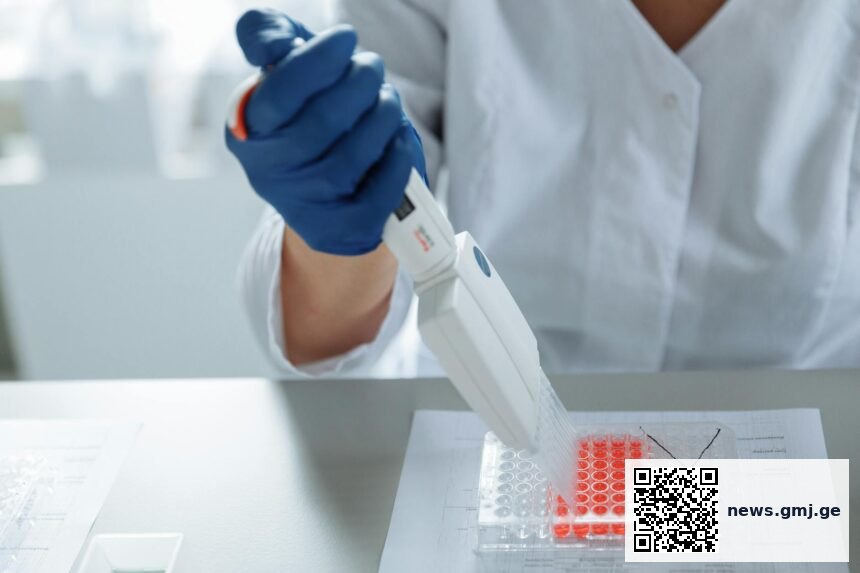
A revolutionary heart patch engineered from stem cells has demonstrated significant improvements in cardiac function among patients with advanced heart failure, according to results published in The New England Journal of Medicine, as reported by STAT. The BioVAT-HF trial represents the first successful clinical application of tissue-engineered cardiac patches in humans, offering new hope for patients with limited treatment options.
Heart Function Improvements in BioVAT-HF Trial
Results from phase I clinical study
in phase I trial
Source: STAT report on New England Journal of Medicine study, 2026 | Georgian Medical Journal News
First-in-Human Success for Engineered Heart Tissue
The BioVAT-HF study enrolled 11 patients with severe heart failure, according to STAT’s report on the New England Journal of Medicine study. Each patient received a bioengineered patch created from induced pluripotent stem cells and placed directly onto the weakened heart muscle during cardiac surgery.

Lead investigator Dr. Wolfram-Hubertus Zimmermann from the University Medical Center Göttingen described the results as “a very good first step” toward regenerative cardiac therapy, according to STAT. The National Institutes of Health has supported similar regenerative medicine research as part of broader efforts to address cardiovascular disease.
Functional Improvements Observed
The study showed improvements in cardiac function among the treated patients, according to the STAT report on the New England Journal of Medicine publication. No serious adverse events were attributed to the stem cell patches during the follow-up period, STAT reported.
The World Health Organization estimates that cardiovascular diseases cause 17.9 million deaths annually, making breakthrough treatments like this particularly significant. Additional monitoring through clinical updates will be essential for assessing long-term safety.
Pathway to Larger Clinical Trials
The success of this phase I trial has prompted planning for larger studies, according to STAT’s report. The U.S. Food and Drug Administration regulatory pathway for regenerative medicine therapies continues to evolve.
BioVAT, the company developing the technology, is working to advance the therapy through clinical development, as reported by STAT. The technology represents both the promise and current limitations of personalized regenerative medicine approaches discussed in recent new studies.
STAT reported on a stem cell heart patch study published in The New England Journal of Medicine showing improved cardiac function in 11 patients with advanced heart failure in a phase I trial.
— Based on STAT report of New England Journal of Medicine study, 2026
Key takeaways
- Stem cell-derived heart patches showed improved cardiac function in patients with advanced heart failure, according to STAT’s report on the New England Journal of Medicine study
- All 11 patients in the phase I trial were treated with the experimental therapy
- The results represent a first step in regenerative cardiac therapy development
Frequently asked questions
How are the stem cell heart patches created?
The patches are grown from induced pluripotent stem cells, according to the STAT report. The resulting tissue contains functional cardiac muscle cells that can potentially integrate with the patient’s existing heart tissue.
Who was eligible for this experimental treatment?
The study enrolled patients with severe heart failure who underwent cardiac surgery, according to STAT’s report on the New England Journal of Medicine study.
What are the next steps for this research?
STAT reported that the success of this phase I trial has prompted planning for larger studies, though specific timelines were not detailed in the available report.
The BioVAT-HF results represent a significant milestone in regenerative cardiac medicine research, according to STAT’s report on the New England Journal of Medicine publication. As the research progresses, the medical community will monitor developments in this experimental approach for patients with heart failure.
Source: Heart patch engineered from stem cells revved up weakened hearts
Was this article helpful?
Disclaimer. This article is health journalism intended for general information and education. It is not medical advice and is not a substitute for professional diagnosis or treatment. Always consult a qualified healthcare provider about your individual circumstances. Full disclaimer →
Related Coverage
Editorial standards. This article was produced under the GMJ News editorial process, with oversight by the GMJ Editorial Board. Our editorial process. Spotted an error? Contact the editorial team.