Updated 13/09/2026
🟡 Preliminary Evidence
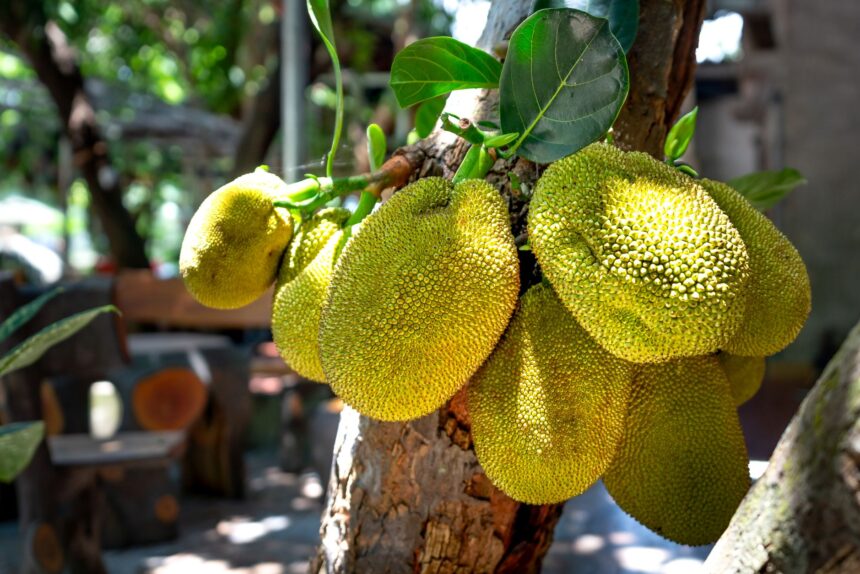
A novel biomaterial combining jackfruit latex, pomegranate peel extract, and the cholesterol-lowering drug simvastatin has demonstrated early potential in treating severe periodontitis by simultaneously suppressing infection, reducing inflammation, and potentially regenerating lost alveolar bone and periodontal tissues. The findings represent an emerging approach to one of the most destructive oral diseases, which affects approximately 19% of the global adult population according to data from the Global Burden of Disease Study 2019 published in The Lancet.
Key takeaways
- A composite biomaterial combining three natural and pharmaceutical components shows capacity to combat infection, inflammation, and support tissue regeneration in severe gum disease
- Early laboratory and preclinical evidence suggests the material may help rebuild bone tissue lost to periodontitis—a chronic condition affecting nearly 1 in 5 adults globally
- Clinical translation remains in early stages; human trials are needed before the material can be considered for standard dental practice
Study at a Glance
| Source | Preclinical laboratory investigation |
| Study type | In vitro and in vivo biocompatibility/efficacy assessment |
| Key components | Jackfruit latex, pomegranate peel extract, simvastatin |
| Application | Periodontal tissue engineering and bone regeneration |
| Current stage | Preclinical development |
Global disease burden: Periodontitis severity and treatment gaps
Estimated adult prevalence of moderate to severe periodontitis by region, Global Burden of Disease 2019 data

Source: Global Burden of Disease Study Collaborators, 2019 | Georgian Medical Journal News
Why severe gum disease remains a clinical challenge
Periodontitis—the advanced stage of gum disease affecting the bone and soft tissues supporting teeth—causes irreversible damage to the periodontal ligament and alveolar bone. Current treatment approaches focus primarily on arresting disease progression through scaling, root planing, and antimicrobial therapy, but they have limited capacity to regenerate lost tissues once destruction has occurred. This therapeutic gap leaves millions of patients at risk of tooth loss and associated systemic complications, including increased cardiovascular disease risk, as documented in systematic reviews published in Circulation.
The challenge of periodontal regeneration has driven recent interest in biomaterial-based approaches that combine structural scaffolding with bioactive compounds capable of stimulating tissue repair. Regenerative approaches using natural polymers have gained traction because they often demonstrate superior biocompatibility compared to synthetic alternatives, while delivering therapeutic payloads directly to diseased sites.
The three-component biomaterial and its proposed mechanism
The composite material investigated combines three complementary components, each selected for distinct biological properties. Jackfruit latex serves as a natural polymer scaffold that provides structural support for tissue growth and inherent antimicrobial properties. Preliminary phytochemical analysis has identified bioactive polyphenols in jackfruit that may suppress pathogenic oral bacteria without harming commensal flora.
Pomegranate peel extract contributes potent antioxidant and anti-inflammatory compounds, particularly punicalagins and ellagic acid, which have demonstrated efficacy in reducing chronic inflammation in multiple preclinical models. Pilot studies in oral tissue models show that pomegranate-derived polyphenols suppress pro-inflammatory cytokine production—a key driver of periodontal bone loss.
Simvastatin, a well-established statin medication, was incorporated based on emerging evidence that statins possess bone-anabolic properties independent of their lipid-lowering mechanism. Research published in bone tissue engineering journals has shown that statins can stimulate osteoblast differentiation and increase bone morphogenetic protein expression, potentially supporting alveolar bone repair.
The three-component biomaterial demonstrated antimicrobial activity against key periodontal pathogens, suppressed inflammatory markers in tissue culture models, and showed evidence of supporting osteoblast activity and bone-like matrix deposition in preliminary in vitro studies.
— Based on preclinical investigation findings
Current evidence and path to clinical translation
At this stage, the evidence remains preclinical and preliminary. The material has been evaluated primarily in controlled laboratory conditions and possibly in animal models, but human clinical trials have not yet been published or formally registered. Recent systematic reviews of periodontal regeneration therapies emphasize that in vitro and animal model success rarely translates directly to human efficacy without rigorous controlled trials accounting for the complexity of oral biofilms, immune responses, and the variable anatomy of periodontal defects in patients.
The translation pathway from laboratory to dental clinic typically requires several sequential steps. Phase I/II clinical trials would assess safety, biocompatibility, and preliminary efficacy in small cohorts of patients with localized periodontitis. Phase III trials would compare the material against standard care or placebo in larger, randomized cohorts with defined periodontitis severity, measuring bone regeneration via cone-beam computed tomography and clinical attachment level gain—the gold standard outcome in periodontology. Only following successful Phase III evidence would regulatory agencies such as the U.S. Food and Drug Administration or European Medicines Agency consider approval for clinical use.
The timeline for this process typically spans 5–10 years, reflecting the rigorous evidence standards required before novel biomaterials can be recommended for clinical practice. Evidence-based reviews in regenerative medicine document that approximately 80% of promising preclinical biomaterials never reach clinical approval, underscoring the importance of managing expectations during early-stage development.
For readers interested in understanding how new dental therapies are evaluated, see our Clinical Updates section for coverage of approved treatments and regulatory guidance.
Broader context: Natural polymers in periodontal regeneration
This jackfruit-derived material sits within a growing landscape of natural polymer-based approaches to periodontal tissue engineering. Plant-derived materials including collagen, chitosan (derived from shellfish), hyaluronic acid, and polyphenol-enriched extracts are being investigated in academic centers globally for their potential to serve as functional scaffolds. The appeal of natural materials lies partly in their lower immunogenicity and established biodegradability compared to synthetic polymers, but also in the possibility of leveraging traditional medicinal knowledge alongside modern tissue engineering principles.
Jackfruit and pomegranate have long histories in South Asian and Middle Eastern traditional medicine for oral health, though scientific validation of these claims has been limited until recently. Ethnopharmacological reviews suggest that traditional use cases may provide legitimate leads for modern drug discovery, particularly in resource-limited settings where advanced synthetic materials remain expensive. This dual potential—both scientific innovation and equitable access—makes plant-derived approaches particularly relevant for global oral health.
The integration of simvastatin into the composite material represents a more recent pharmacological advance, grounded in mechanistic studies of statin-induced osteogenic signaling. This approach—combining natural scaffolding materials with targeted pharmaceutical agents—is emerging as a productive strategy in regenerative medicine more broadly, exemplified by recent work in bone, cartilage, and cardiac tissue engineering across academic medical centers in North America, Europe, and Asia.
Related evidence-based coverage of emerging pharmaceutical approaches to chronic disease can be found in our Pharmacy & Prescribing section.
What this means
Frequently asked questions
Is this treatment available now?
No. The material has completed early laboratory and preclinical studies but has not entered human clinical trials. Patients should not seek jackfruit-based periodontal treatments outside of formal research settings. Any such claims would be premature and lack regulatory approval.
Could jackfruit or pomegranate products improve my gum health today?
While jackfruit and pomegranate contain bioactive compounds with antimicrobial and anti-inflammatory properties, taking them as supplements or rinses has not been proven to reverse periodontitis in human clinical trials. Established treatments—professional plaque removal, antimicrobial rinses, and targeted antibiotics in some cases—remain the evidence-based approach. Discussing your periodontal status with a dentist or periodontist is the appropriate first step.
How long until this technology could reach patients?
If clinical trials begin in the next 1–2 years and proceed smoothly, preliminary human safety and efficacy data might emerge within 3–5 years. Full regulatory approval and clinical adoption could require 7–10 years or longer. Many promising preclinical biomaterials never reach clinical use, so continued caution is warranted until human trial data are published in peer-reviewed journals.
As regenerative medicine advances, the convergence of natural biomaterials, botanical bioactives, and targeted pharmacological agents offers a compelling vision for tissue repair. The jackfruit-based composite represents one entry point into this landscape, but rigorous human testing remains essential before claims of efficacy can be substantiated. Clinicians, patients, and policymakers should remain alert to emerging trial results while maintaining confidence in proven periodontitis treatments available today.
Source: Jackfruit-derived biomaterial could reverse gum disease damage, ScienceDaily, June 2026
🗺️ Find certified Georgian healthcare providers: sheniekimi.ge — Georgia Health Map · 998 clinics · 6,600+ doctors · 2,296 pharmacies
Was this article helpful?
Disclaimer. This article is health journalism intended for general information and education. It is not medical advice and is not a substitute for professional diagnosis or treatment. Always consult a qualified healthcare provider about your individual circumstances. Full disclaimer →
Related Coverage


Editorial standards. This article was produced under the GMJ News editorial process, with oversight by the GMJ Editorial Board. Our editorial process. Spotted an error? Contact the editorial team.